MCU & Embedded Processors Sourcing
.webp "BMI270")
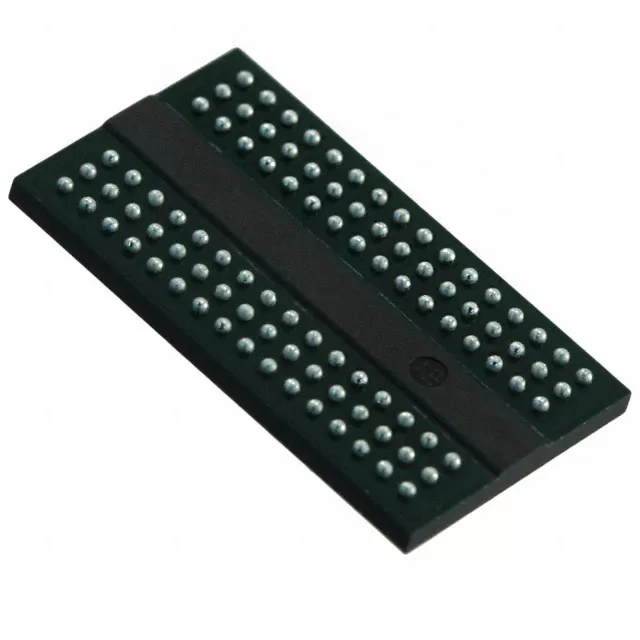
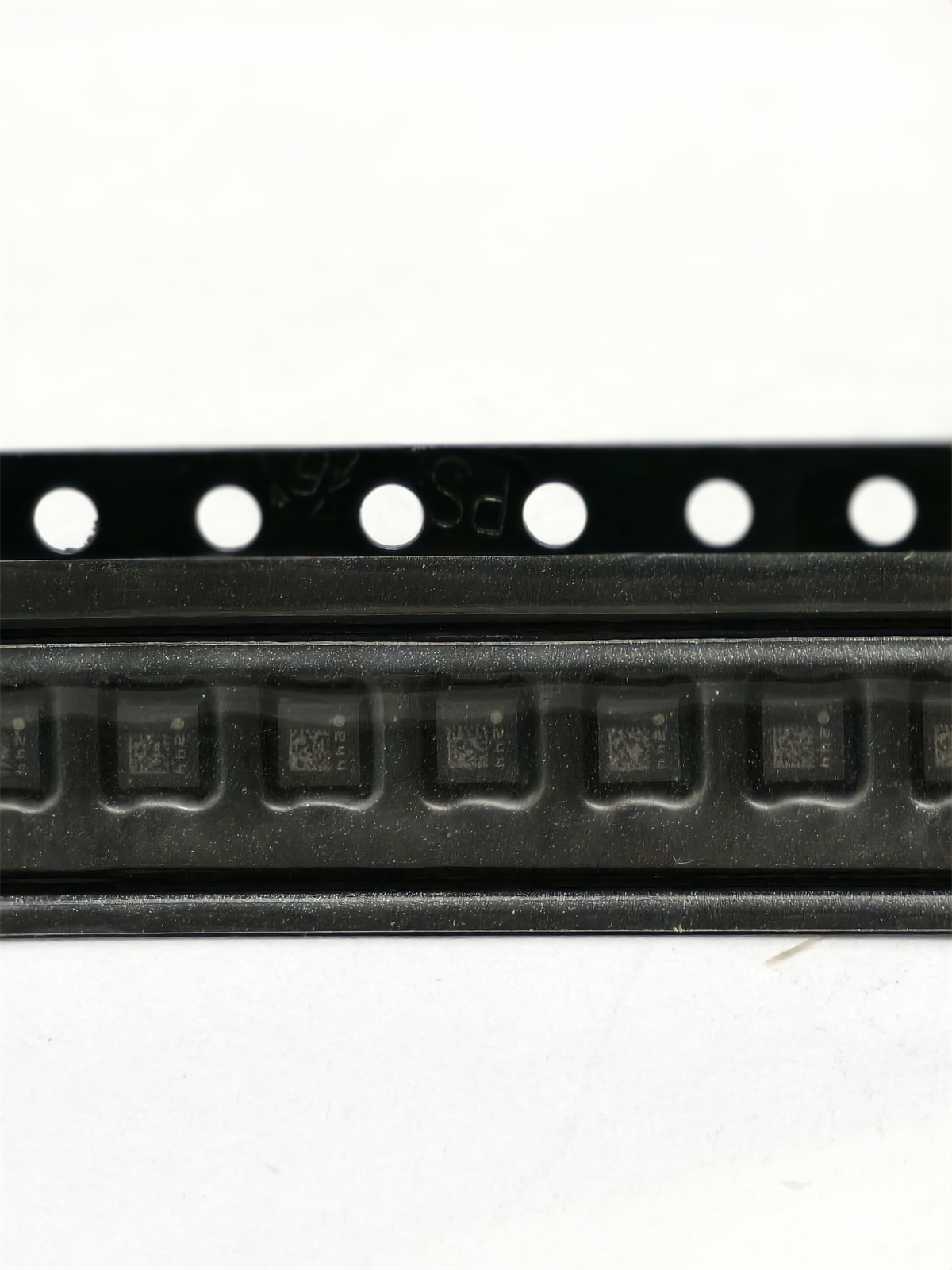
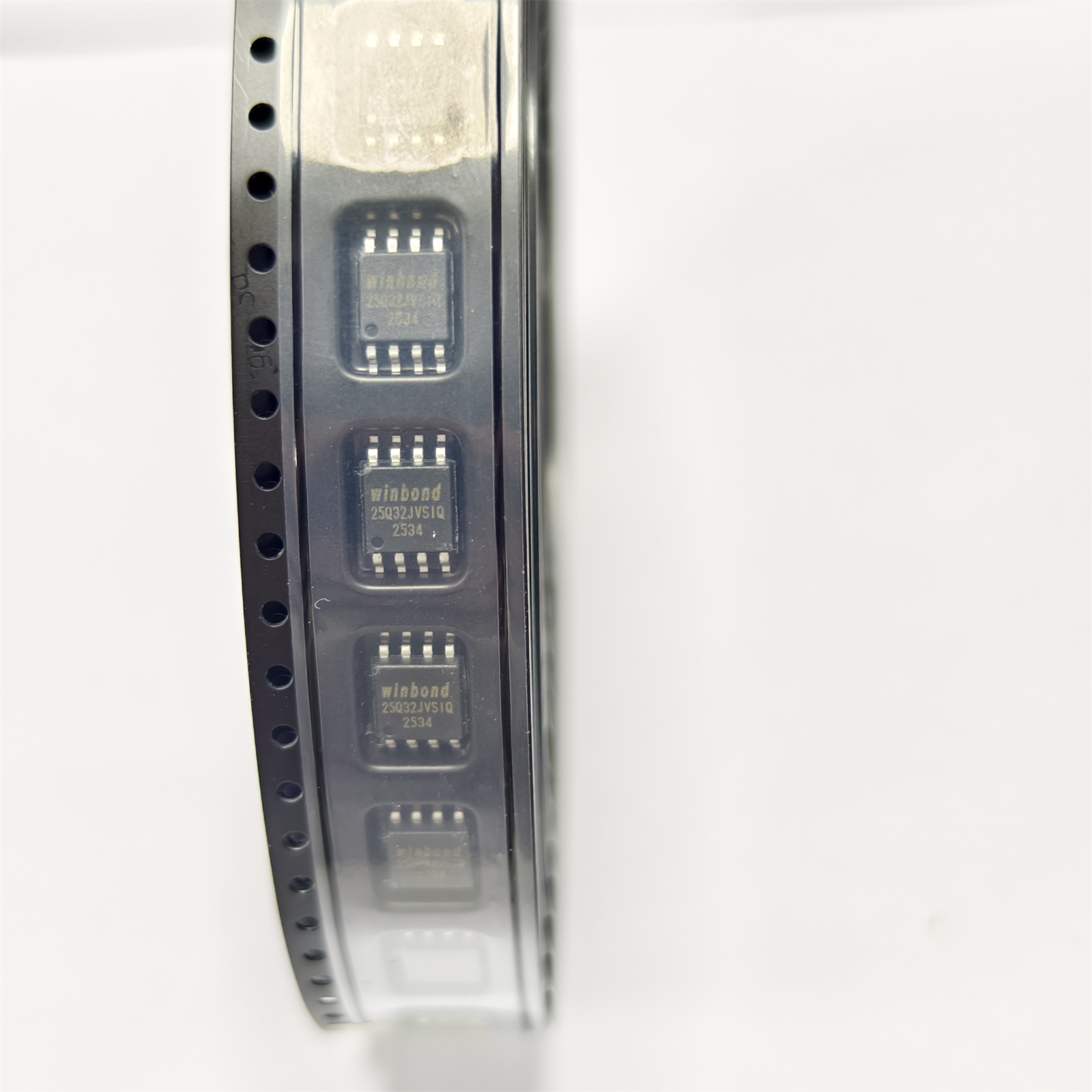

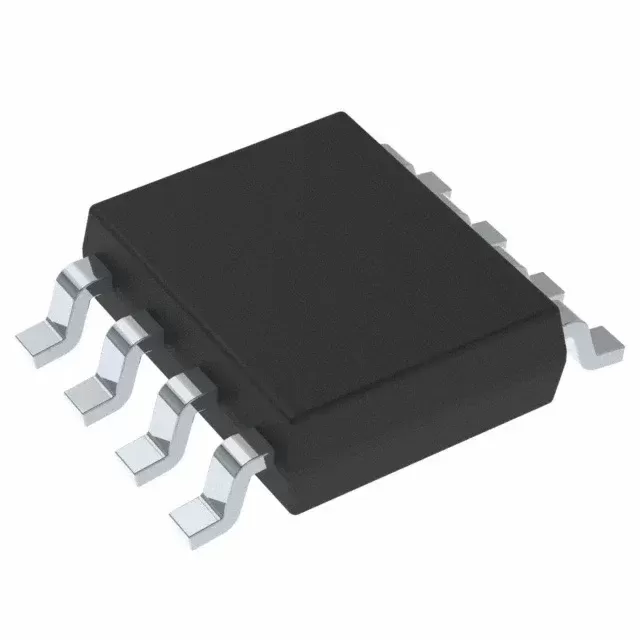
The W25Q64JVSSIQ is Winbond's 64Mbit (8MB) serial NOR Flash memory from the JV series, delivering high-speed code and data storage for embedded systems. It supports standard SPI, Dual SPI, Quad SPI, QPI (Quad Peripheral Interface), and DTR (Double Transfer Rate) — achieving up to 532 Mbit/s effective throughput in Quad SPI mode at 133 MHz. Organized as 8M × 8 bits with uniform 4KB sectors, it provides fine-grained erase flexibility for applications mixing firmware storage with parameter data. The device is rated for 100,000 program/erase cycles minimum per sector with 20+ years data retention, operates from a single 2.7V–3.6V supply, and is specified over the full -40°C to +85°C industrial temperature range. Packaged in a standard 8-SOIC (208 mil) footprint, it is the most widely adopted NOR Flash chip in the embedded industry — the default external flash on ESP32 modules, the go-to code storage for STM32 and FPGA designs, and a staple in IoT, industrial control, and consumer electronics.
.webp "LSM6DS3TR-C")
The LSM6DS3TR-C is STMicroelectronics' system-in-package 6-axis inertial measurement unit (IMU), part of the iNEMO family. It integrates a high-performance 3D digital accelerometer (up to ±16g) and a 3D digital gyroscope (up to ±2000 dps) with an embedded temperature sensor, all in a compact LGA-14 package. Designed for entry-level to mid-tier smartphones, portable PC platforms, wearables, and IoT devices, it achieves 0.90 mA in combo high-performance mode while supporting always-on low-power features including a hardware pedometer, tilt detection, free-fall detection, and a programmable finite state machine (FSM) for custom gesture recognition. The 4 KB FIFO buffer decouples sensor sampling from host MCU reads, and dual I²C/SPI interfaces with separate Vdd_IO ensure compatibility across 1.8V and 3.3V logic systems. Widely adopted in the Arduino/maker ecosystem (Adafruit, Arduino Nano 33 IoT, Seeed XIAO nRF52), the LSM6DS3TR-C is the recommended successor to the original LSM6DS3TR with improved power efficiency and noise performance.
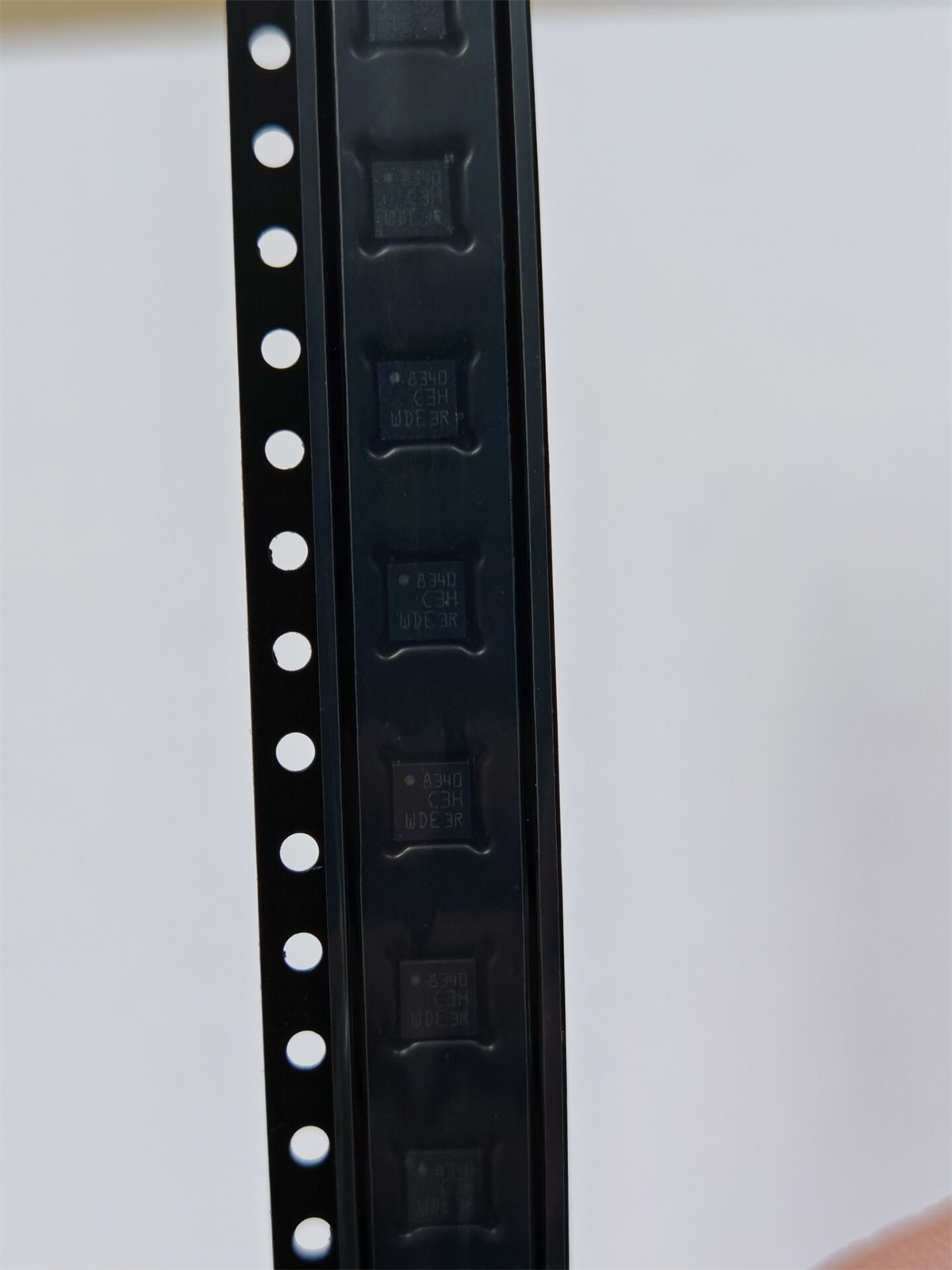
The LIS3DHTR from STMicroelectronics is an ultra-low-power, high-performance three-axis linear MEMS accelerometer belonging to the "nano" family. With a user-selectable full scale of ±2g, ±4g, ±8g, or ±16g and 16-bit digital output, it delivers precision motion sensing across a wide dynamic range while consuming as little as 2µA in low-power mode. The device provides both I²C and SPI digital interfaces with an embedded 32-level FIFO buffer, a temperature sensor, and advanced motion-detection features — including free-fall, wake-up, 6D/4D orientation, and single/double-click recognition — enabling sophisticated motion processing without waking the host MCU. Packaged in a tiny 3mm × 3mm × 1mm 16-LGA footprint, it is optimized for battery-powered IoT devices, wearables, gaming controllers, and mobile handsets.
.webp "ICM-42688-P")
The ICM-42688-P is TDK InvenSense's flagship 6-axis MEMS IMU, combining a best-in-class 3-axis gyroscope with an ultra-low-noise 3-axis accelerometer in a compact 2.5x3.0x0.91mm LGA-14 package. With a gyroscope Angle Random Walk (ARW) of just 2.8 mdps/rtHz and accelerometer noise density of 70 ug/rtHz, it achieves navigation-grade precision at consumer price points. The 16-bit ADC, selectable gyro ranges up to 2000 dps, SPI up to 24 MHz (and I3C/I2C), 2KB FIFO, and 0.88mA low-noise power consumption make it the go-to IMU for drones, robotics, AR/VR, gimbal stabilization, and high-accuracy industrial motion sensing.

![MCU & Embedded Processors[10]- Superb Automation](https://www.superb-tech.com/storage/default/202606/logo.webp "MCU & Embedded Processors[10]- Superb Automation")
 English