Contact Us

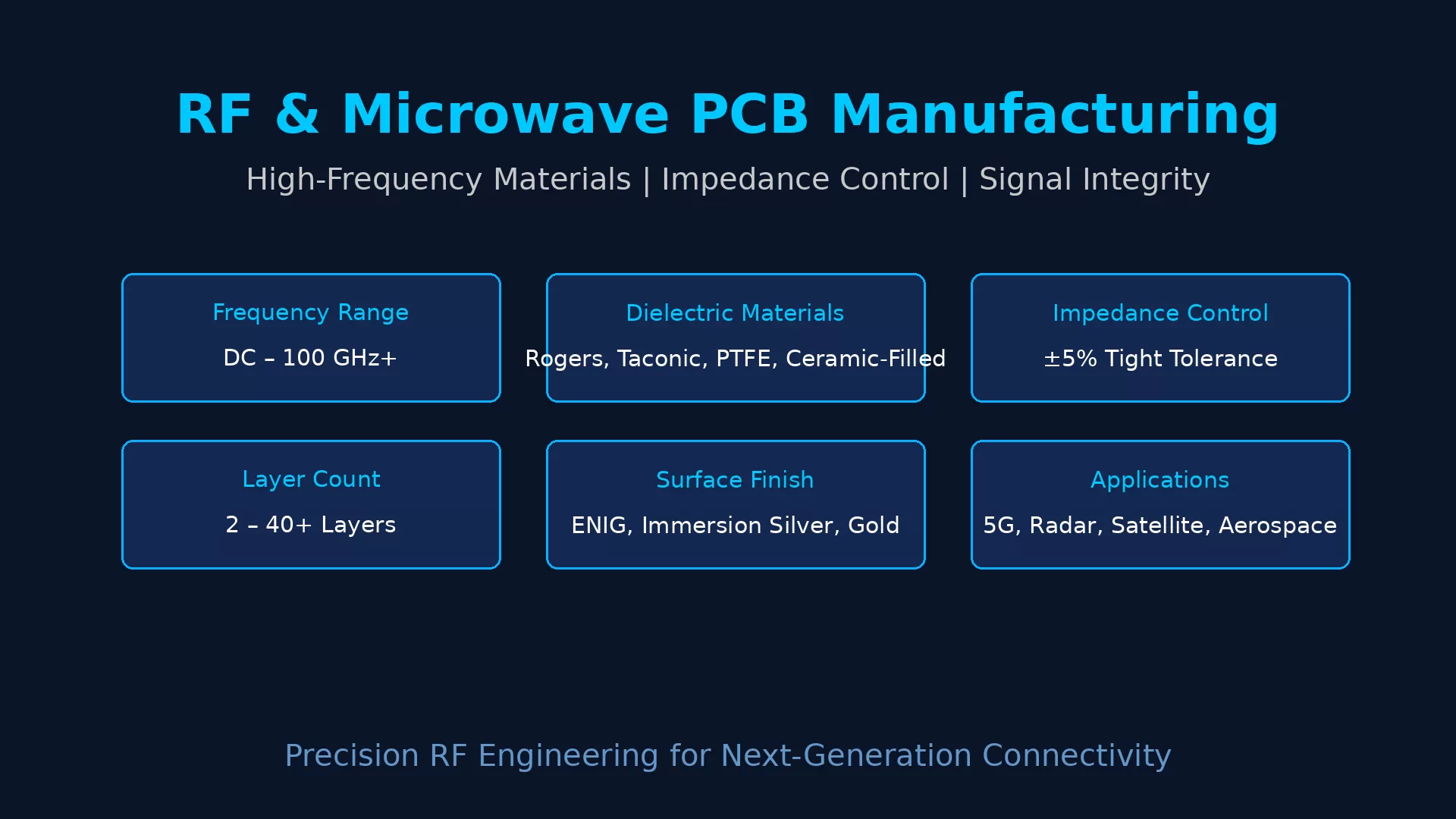
RF & Microwave PCB Manufacturing

RF and microwave PCBs are a core manufacturing competency at Superb Automation. We stock and process a comprehensive range of high-frequency laminates — Rogers, Taconic, and PTFE-based substrates — across our Wuxi and Huizhou facilities. In-house plasma treatment ensures reliable plated through-holes in PTFE materials. Hybrid constructions combining RF laminates with standard FR-4 digital layers are produced on the same lamination press cycle.

read more

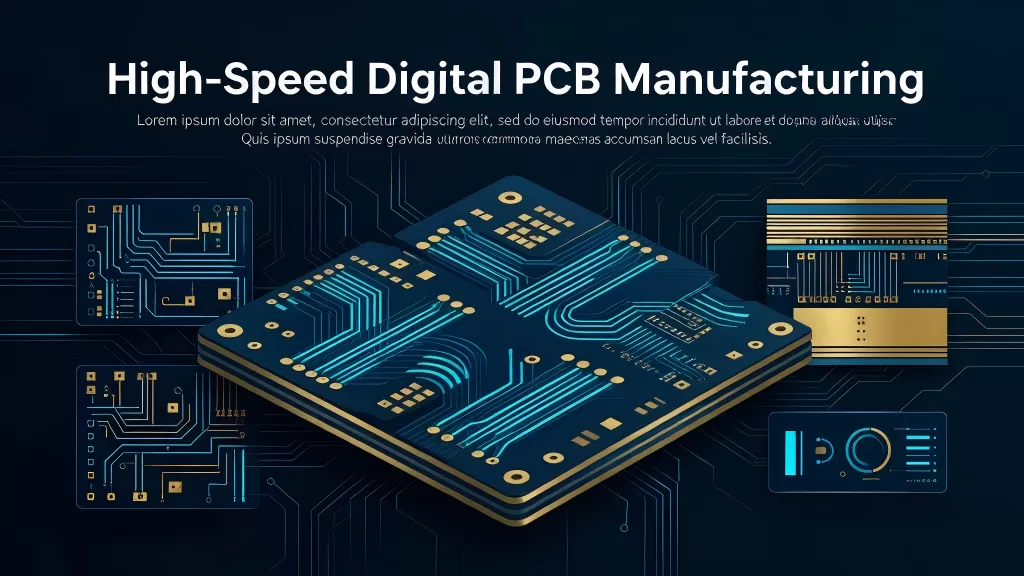
High-Speed Digital PCB Manufacturing

High-speed digital PCBs are a primary manufacturing focus at Superb Automation. We process ultra-low-loss laminates — Panasonic Megtron 6/7, Isola Tachyon 100G, and Nelco N4000-13 EP — with in-house back-drilling, precision differential impedance control, and full-link signal integrity verification. Typical builds span 20 to 68 layers for data center switches, AI/GPU accelerator cards, 400G/800G networking equipment, and high-speed backplanes.

read more

Rigid-Flex PCB Manufacturing — 32-Layer 5+N+5 Any-Layer HDI

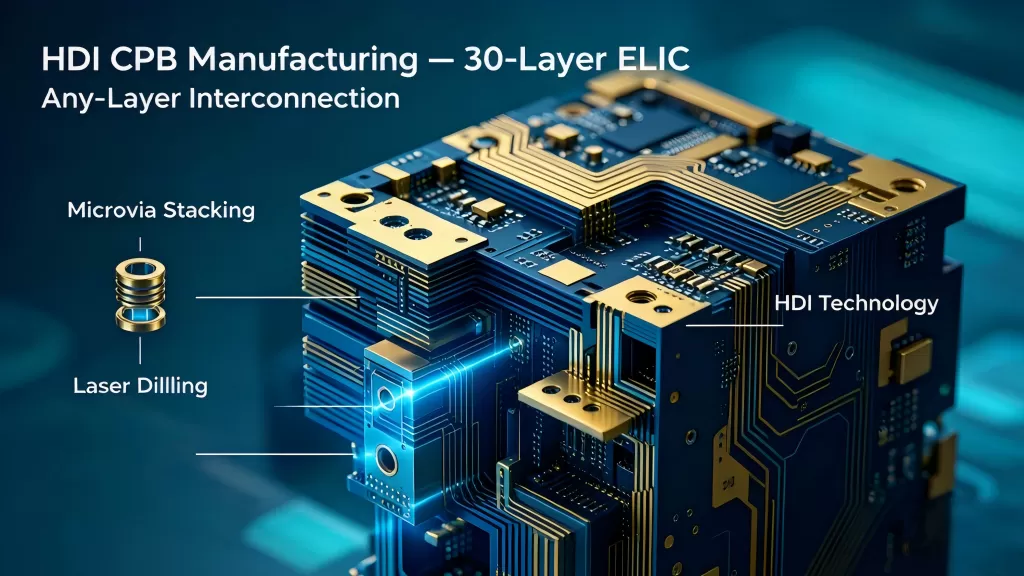
High-Density Interconnect (HDI) PCBs use laser-drilled micro-vias — as small as 0.05 mm — to connect layers at far higher density than conventional through-hole vias. Superb Automation manufactures HDI boards up to 30-layer ELIC (Every Layer Interconnect) with ultra-fine 0.035/0.035 mm trace/space, 0.3 mm BGA pitch, and copper-filled via-in-pad for maximum routing density. Applications span AI accelerator modules, automotive ADAS domain controllers, flagship smartphones, and advanced communication devices.

read more

PCB Design & Manufacturing Capabilities

Superb Automation supports high-mix, high-complexity PCB production from prototype to volume, with engineering, fabrication and test under one roof. Core strengths are high-speed digital PCBs and RF/microwave PCBs - from material selection through back-drill and impedance testing - alongside HDI, rigid-flex, heavy copper and metal-core boards.

read more

Order PCB Online — Instant Quote · Gerber Upload · Fast Prototype

Order PCB fabrication online: upload Gerber files, instant DFM check, online quote. 4–16+ layers, 4/4 mil, ENIG. 7–10 day prototype turnaround. Superb Automation.

read more

PCB Manufacturing — 32-Layer 5+N+5 Any-Layer HDI

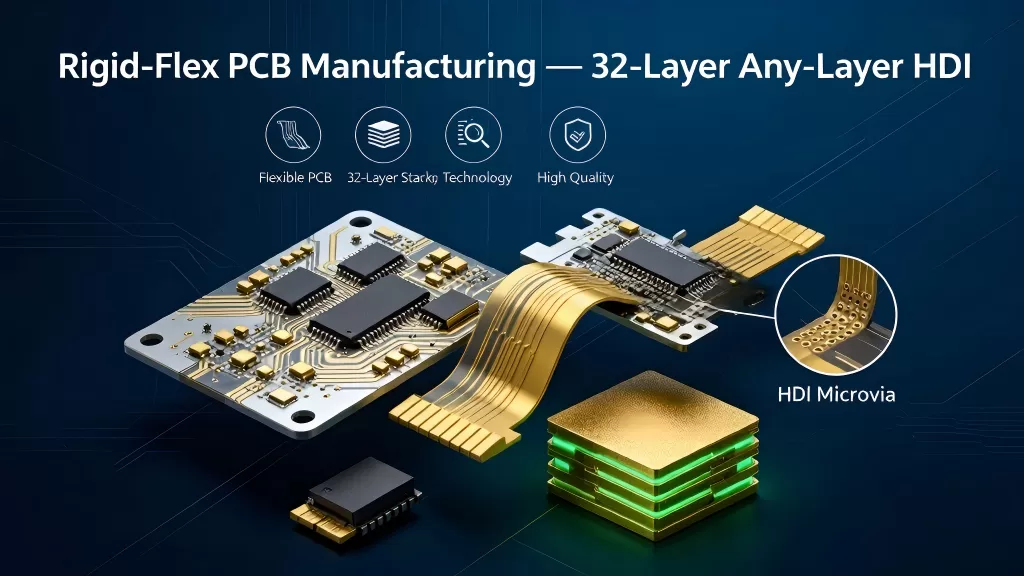
Rigid-flex PCBs combine rigid FR-4 sections with flexible polyimide layers in a single integrated assembly — eliminating connectors and cables between boards, reducing assembly weight, and removing failure points. Superb Automation manufactures rigid-flex boards up to 32 layers with 5+N+5 any-layer HDI structures, 0.03/0.03 mm fine-line capability on both inner and outer layers, and layer-to-layer registration within ±0.02 mm. The process supports aerospace flight hardware, medical implantables and wearables, automotive camera modules, and military-grade electronics where space and reliability are critical.

read more

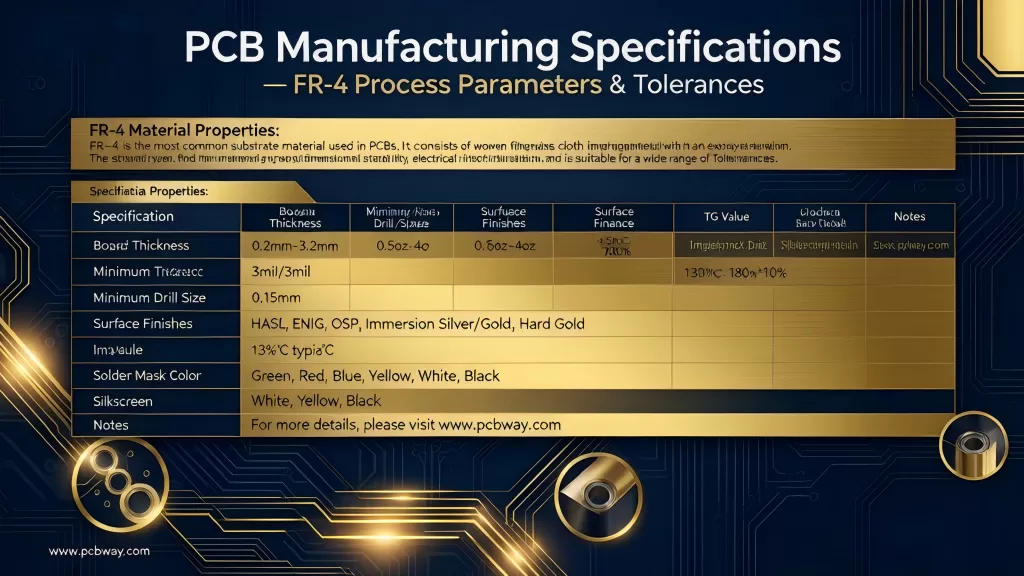
PCB Manufacturing Specifications — FR-4 Process Parameters & Tolerances

read more

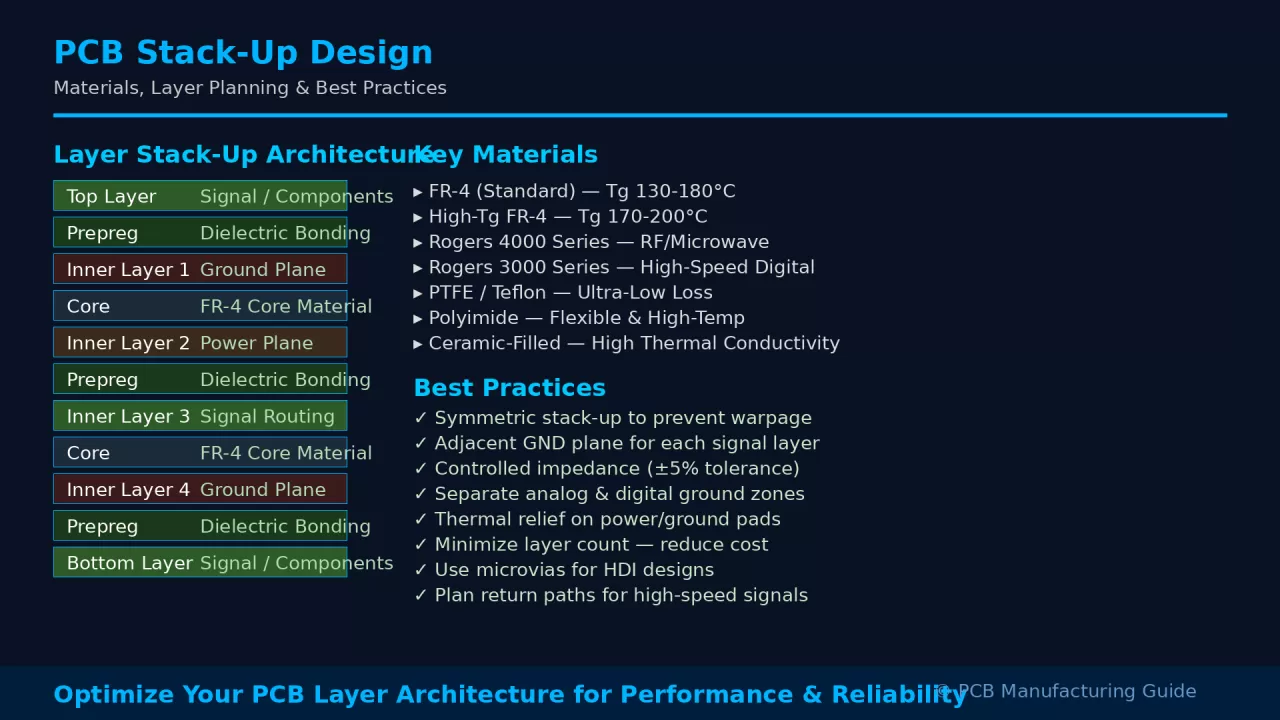
PCB Stack-Up Design — Materials, Layer Planning & Best Practices | Superb Automation

The layer stack-up defines the electrical and mechanical architecture of your PCB. It determines impedance, crosstalk, EMI performance, and board warpage — before a single component is placed. A well-planned stack-up makes challenging designs straightforward; a poorly planned one makes even simple designs fail. Superb Automation's engineering team provides material selection guidance and stack-up design review at the start of every project, ensuring your board is optimized for performance, reliability, and cost from the first layer.

read more

HDI PCB Design Guide: Micro-Vias, Any-Layer & High-Density Routing

High-Density Interconnect (HDI) PCB technology uses laser-drilled micro-vias — typically 0.1–0.15 mm in diameter — to connect layers at far higher density than traditional through-hole vias. Originally developed for smartphone miniaturization, HDI is now standard across automotive ADAS, medical implants, aerospace avionics, and AI accelerator boards. Superb Automation provides full HDI design support from 1-N-1 through any-layer (ALIC) architectures, with DFM review covering via structure optimization, material selection, and stack-up verification to ensure manufacturability and field reliability.

read more