01
Incoming Inspection
PCB & component verification - visual, date code, packaging integrity check

 English
PCB & component verification - visual, date code, packaging integrity check
Laser-cut stencil + automatic printer - precise paste deposition on every pad
3D solder paste inspection - verifies volume, height & area before placement
High-speed chip shooter + multi-function placer - 0201 to 55mm BGA
10-zone oven with nitrogen option - SAC305 lead-free as standard
3D automated optical inspection - every visible solder joint checked
CT X-ray for hidden joints - voiding analysis & head-in-pillow detection
Manual & automated DIP insertion - connectors, transformers, relays
Wave for through-hole boards - selective soldering for mixed-technology
Final optical inspection after all soldering processes
Bed-of-nails or flying probe - verifies component values & connections
System-level test under operating conditions - custom fixtures & programs
Acrylic / silicone / urethane coating for moisture, dust & chemical protection
Enclosure assembly, cable routing, display mounting, thermal management
Firmware flashing & configuration via JTAG, SWD, UART or USB
Visual check, serial number scanning, custom labeling & branding
Anti-static packaging, custom retail boxes, multi-pack carton - ready to ship
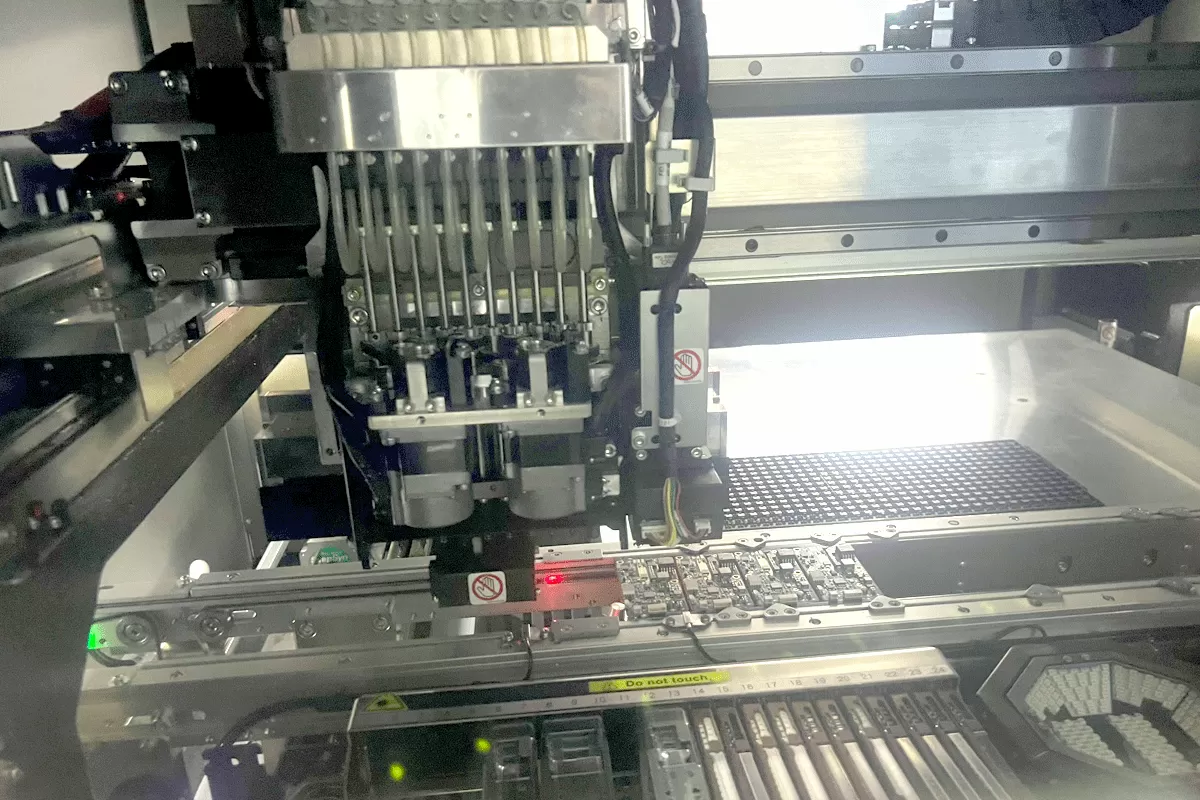
SM471/481PLUS high-speed chip shooter. Speed: 40,000 CPH. Minimum part size: 01005 (0.4mm × 0.2mm). PCB capacity: 400mm × 330mm. 7 production lines running in parallel.
.webp "3D SPI — Solder Paste Inspection — S8080")
S8080 3D Solder Paste Inspection (SPI). Measures volume, height, and area on every pad before component placement. Catches printing defects early — the cheapest fix in the entire S
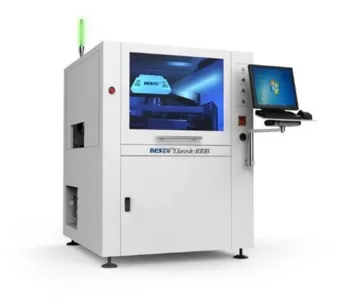
Maximum printing area 400mm × 340mm. Laser-cut stencil with precise solder paste deposition on every pad — the most critical step in SMT. Poor printing cannot be fixed downstream.
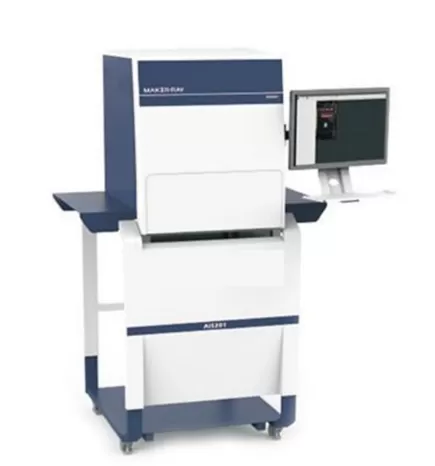
AOI testing machine for DIP board. Automated optical inspection after wave soldering. Verifies solder hole fill, bridging, insufficient solder & component presence on through-hole
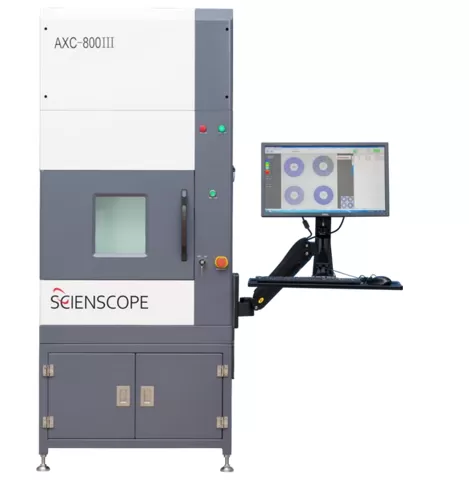
Smart X-ray component counter. Automated non-contact counting of SMT reels, trays & tubes in seconds. No more manual counting errors. Speeds up incoming inspection & stock-taking.
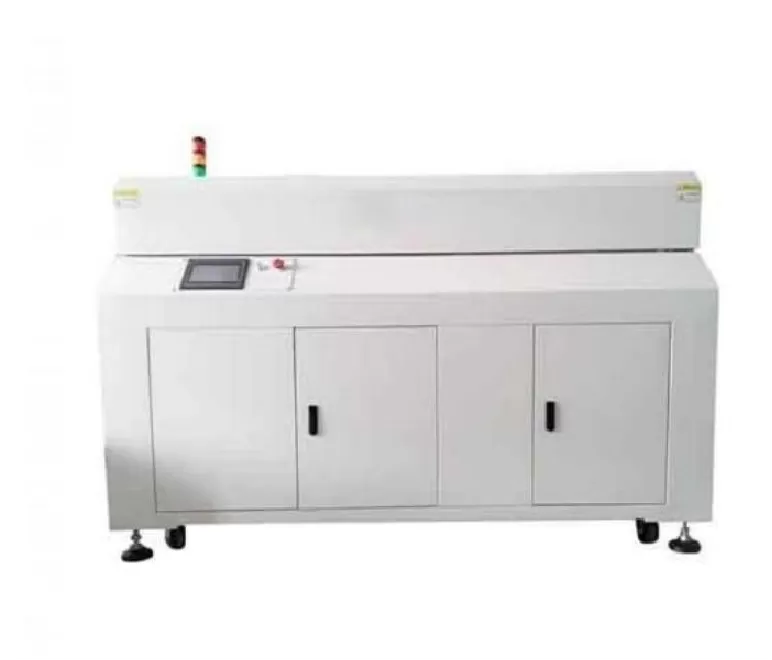
Automatic UV/IR PCB infrared curing oven. Fast cure for UV-curable and thermally-cured conformal coatings. Reduces coating process from hours to minutes. High-throughput compatible
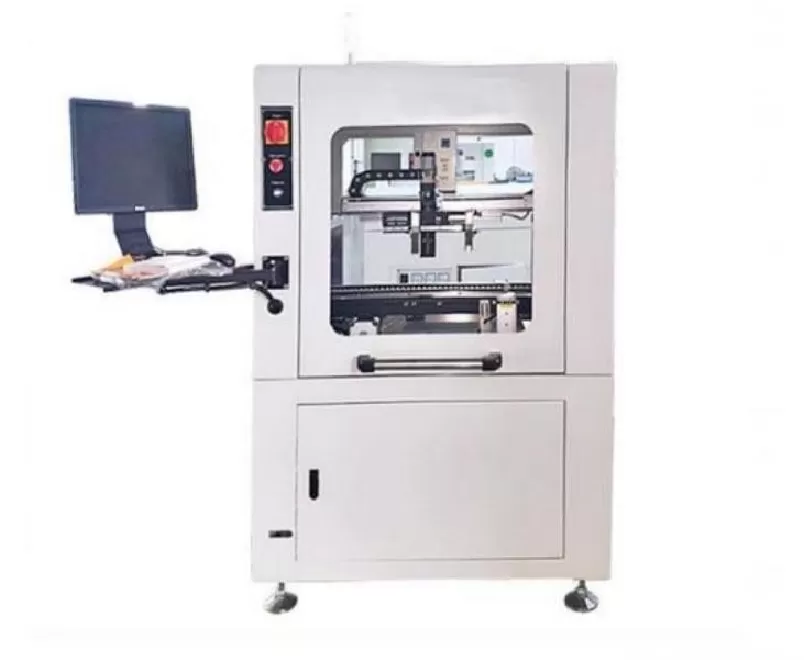
Selective conformal coating machine. Spray, brush & dip application of acrylic, silicone & urethane coatings. Protects against moisture, dust & corrosive atmospheres. Nordson ASYMT
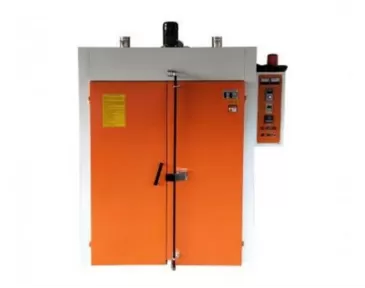
Baking machine for components and PCBs. 125°C moisture removal for MSL-sensitive parts & bare boards. Prevents delamination, measling & popcorning during reflow. J-STD-033 complian
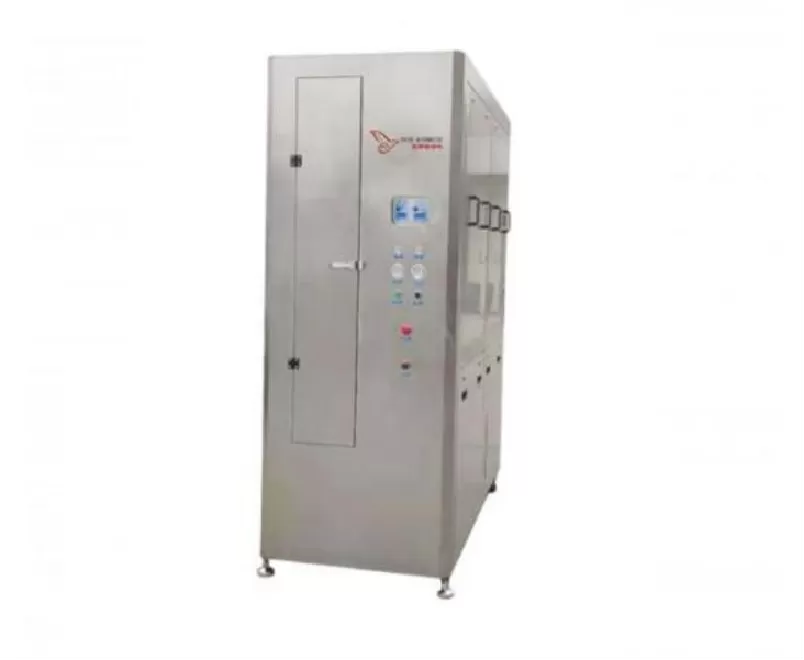
Clean machine for stencil. Automated removal of dried solder paste from fine-pitch apertures. Clean stencils = consistent paste release = higher first-pass yield.
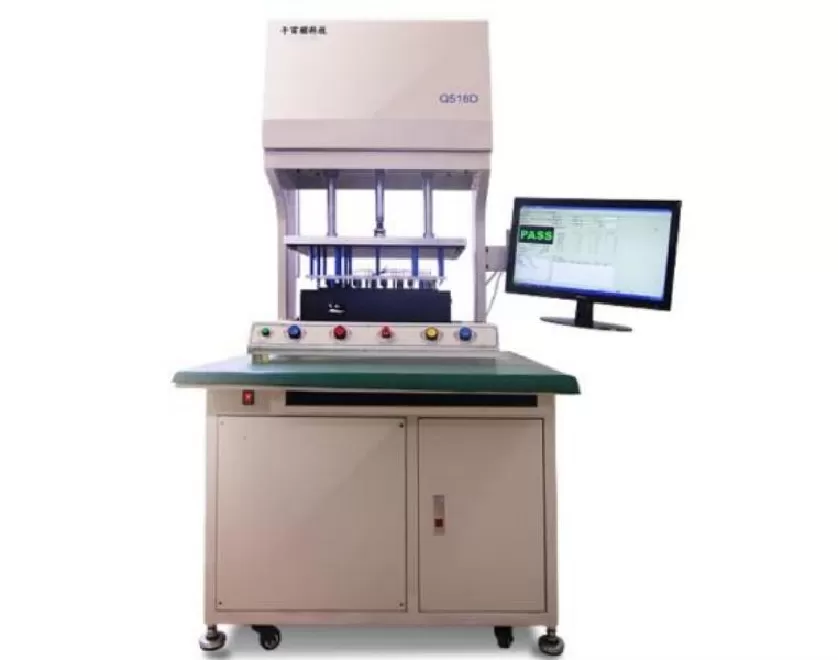
ICT testing machine. In-circuit test verifies every electrical net — component values, shorts & opens. Bed-of-nails for volume production. Flying probe for prototypes. Keysight / T
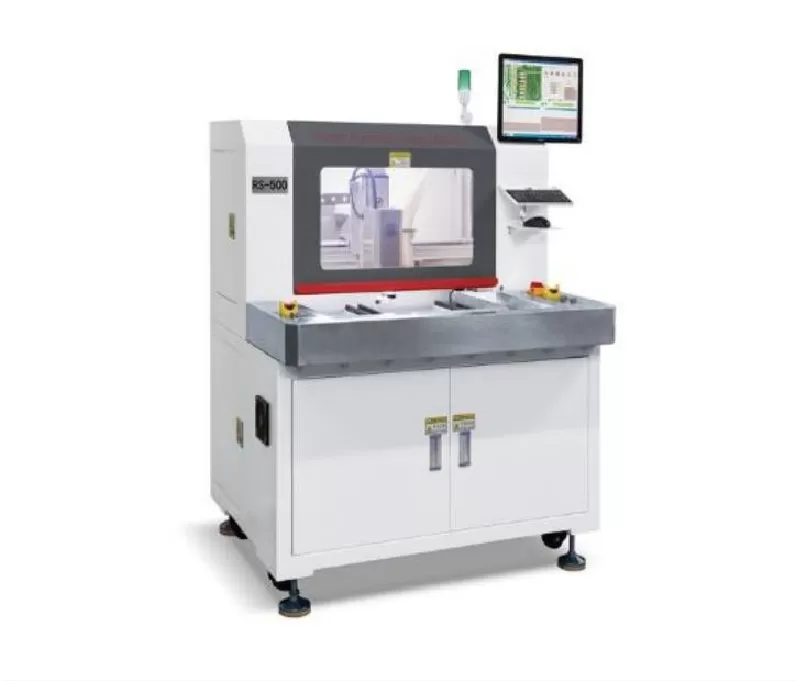
RS-500 visual automatic board cutter. Stress-free depaneling for V-scored & routed PCB panels. Optical alignment ensures clean cuts without cracking MLCC capacitors or stressing BG
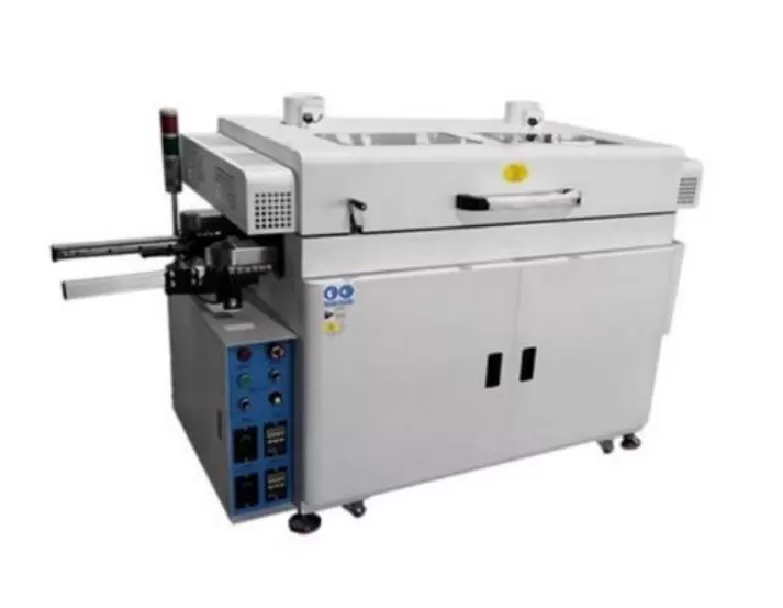
PCBA cleaning machine. Removes post-solder flux residue & ionic contamination. Essential for high-impedance circuits where leakage currents cause field failures. Aerospace, medical
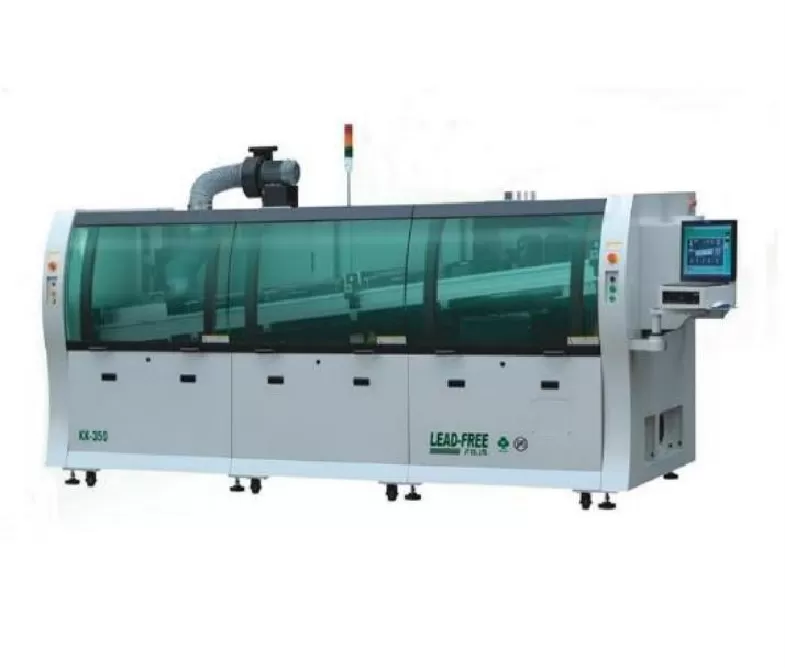
JT-450/350 LF Wave Soldering Machine. Lead-free dual wave for reliable through-hole solder fill. Ideal for connectors, relays, transformers & high-power components.
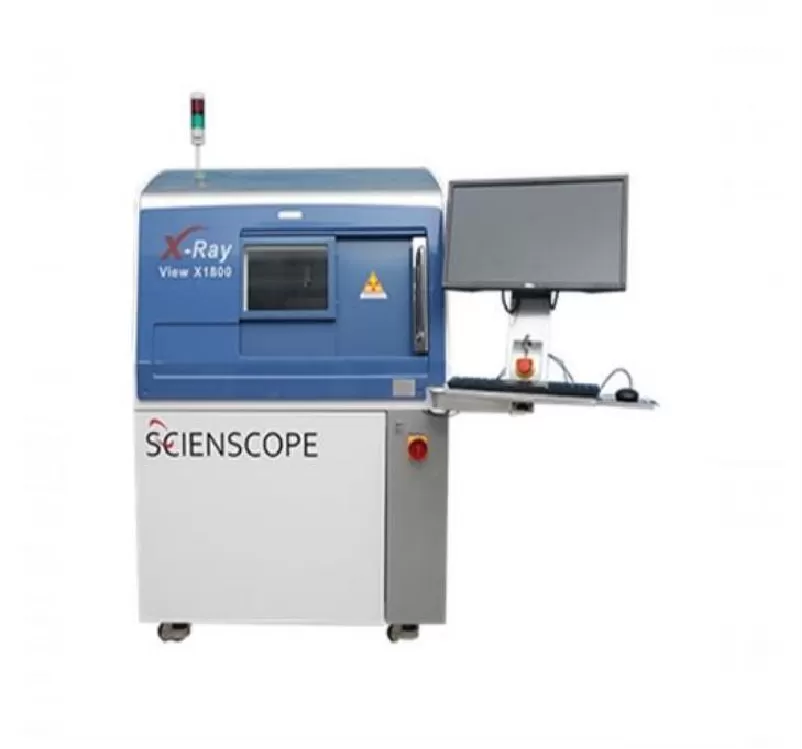
- View-x1800 X-Ray machine. Hidden BGA, QFN & LGA joint inspection. Voiding analysis, head-in-pillow detection & solder ball verification. IPC-7095 compliant.
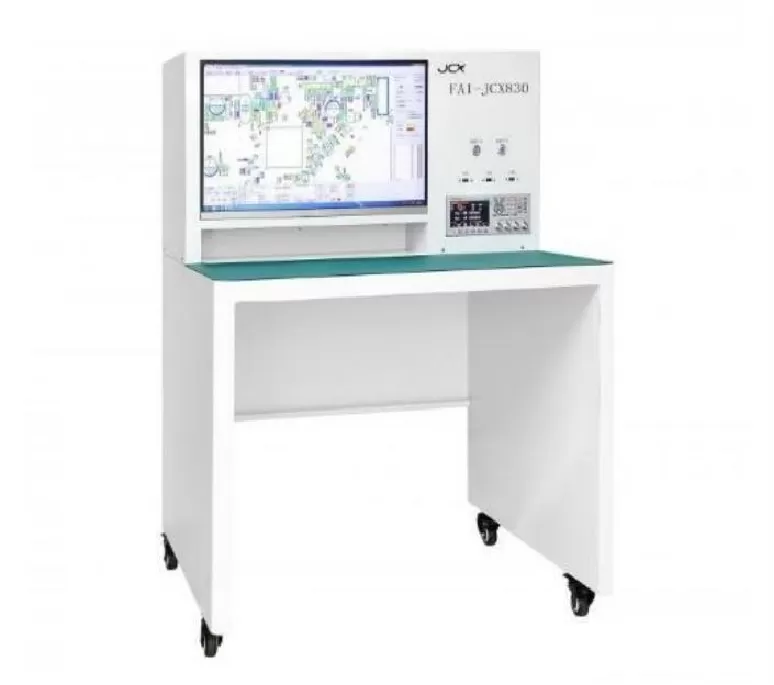
JCX-830 SMT first article inspection system. Compares assembled board against CAD — verifies every component value, polarity, orientation & placement. Catches BOM errors before the
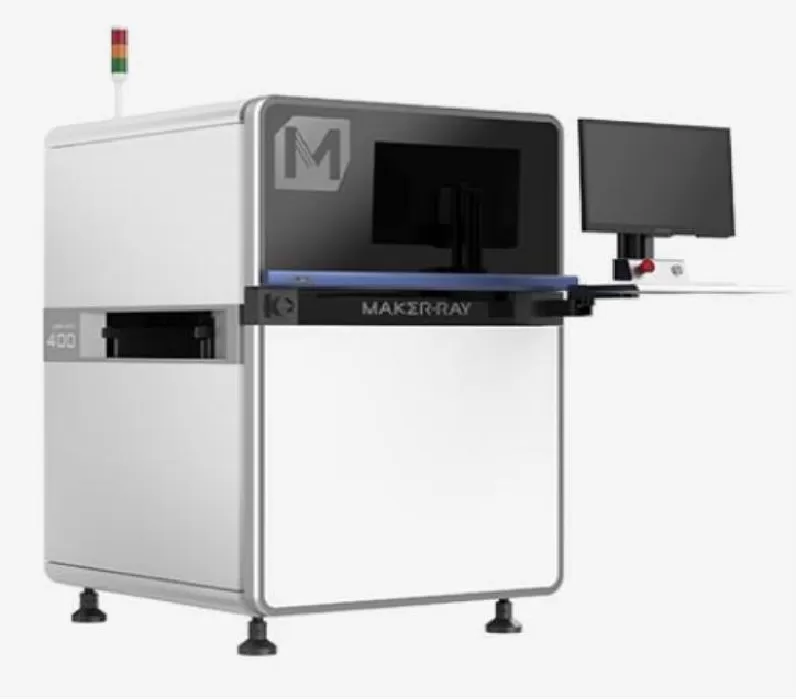
On/off AOI machine. Automated optical inspection after every reflow cycle. Multi-angle lighting catches 50+ defect types — bridges, insufficient solder, tombstoning, lifted leads,

TEA-1200-DH 12 Zone Lead-Free Reflow Oven. Nitrogen atmosphere option. SAC305 (Sn96.5/Ag3.0/Cu0.5) lead-free standard. Precise thermal profiling ensures consistent joint quality fo

At Superb Automation, we don't treat quality control as a checkbox at the end of the production line. It is built into every stage — from the moment solder paste touches a bare boa
Visual final inspection is the last QC checkpoint before shipment. Magnified visual check, dimensional measurement, serial number scanning, labeling, and anti-static packaging per
Ionic contamination testing per IPC-TM-650 measures residual flux and ionic contamination on PCBA surfaces. Prevents dendritic growth and leakage currents. Essential for high-imped
Thermal stress testing validates solder joint reliability under temperature cycling from -40°C to +125°C, 500+ cycles. IPC-9701 compliant. Essential for automotive, aerospace, and
Conformal coating inspection uses UV light and thickness measurement to verify complete coverage, detect pinholes and bubbles, and confirm uniform thickness per IPC-CC-830. Critica
FCT simulates real operating conditions — power-up, signal input, load, and communication — to verify the assembled PCB performs its intended function. Every board shipped by Super
Flying Probe ICT uses motorized high-precision probes to verify every component value, diode polarity, and net continuity — no custom test fixture required. Ideal for prototypes, N
Step inside our 5,000sqm SMT cleanroom - 7 lines, 15 million placements per day.
Superb Automation's material management system covers incoming QC inspection, MSL-controlled component storage, batch traceability, ESD-safe handling, and professional packaging. Y
Superb Automation's PCBA workshop operates under ESD S20.20 protocols with conductive flooring, temperature 22±3°C, humidity 45-65% RH, and ISO 8 cleanroom conditions in SMT areas.
Tour Superb Automation's QC laboratory — a 10-station inspection pipeline covering 3D AOI, X-ray CT, Flying Probe ICT, FCT, thermal stress, ionic contamination, and visual final in
Take a virtual walkthrough of Superb Automation's PCBA workshop — from SMT production line and QC laboratory to ESD-controlled facility and logistics center. See where your boards
Walk through Superb Automation's SMT production line — 18 machines from solder paste printing to DIP soldering. See the equipment, process flow, and quality checkpoints that turn b
Every board is manufactured and inspected to these industry standards - no exceptions.
IPC-9701 defines thermal cycling test methods for evaluating solder joint reliability. Superb uses IPC-9701 as the reference for thermal stress testing — -40°C to +125°C cycling, i
IPC-7525 defines solder paste stencil design — aperture shape, aspect ratio, area ratio, and thickness. The stencil is the single most important factor in solder paste printing qua
IPC-7711/7721 defines correct procedures for rework and repair of PCBA assemblies. Superb's rework technicians follow these standards for component replacement, BGA reballing, trac
J-STD-020 classifies component moisture sensitivity; J-STD-033 specifies handling and baking procedures. Superb's dry cabinet storage and MSL tracking system ensure every moisture-
IPC-7095 governs BGA design, placement, reflow profiling, void criteria, and X-ray inspection. Superb Automation achieves sub-5% BGA void rates — well below the IPC Class 3 require
IPC-CC-830 defines qualification requirements for conformal coating materials — dielectric strength, moisture resistance, thermal endurance, flexibility. Superb uses IPC-CC-830 qua
Superb Automation's PCBA workshop implements ESD protection per ANSI/ESD S20.20 — conductive flooring, continuous wrist strap monitoring, ionization, and ESD-safe material handling
Superb Automation uses nitrogen (N₂) atmosphere reflow soldering with oxygen levels below 500 ppm. Nitrogen reflow improves wetting, reduces solder balls and oxidation, and produce