Contact Us
Testing & Quality Assurance

IPC Standards for PCB Assembly: Class 2 vs Class 3 Explained

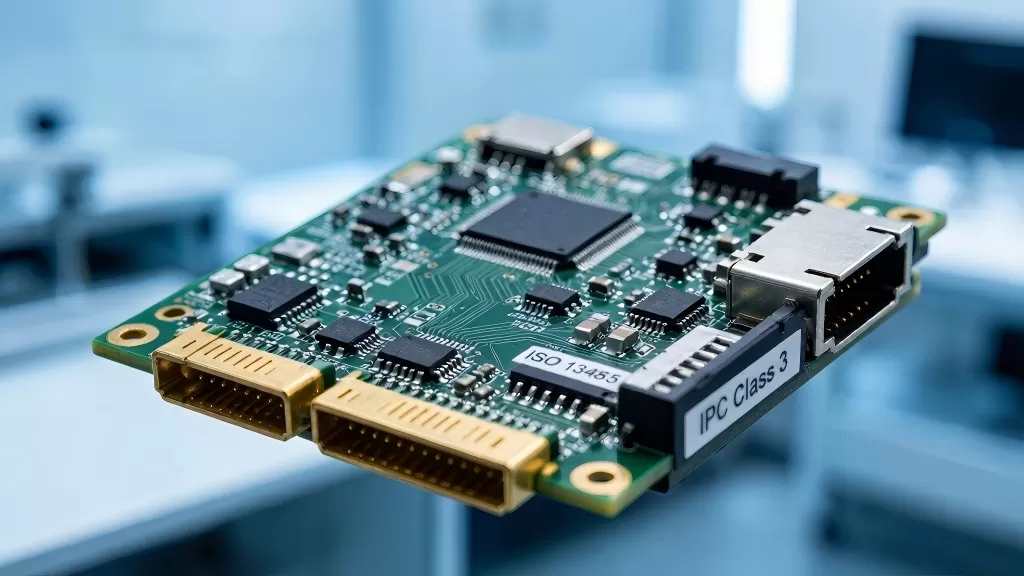
IPC-A-610 defines three classes of electronics assembly — Class 1 (function only), Class 2 (dedicated service, commercial/industrial), and Class 3 (high performance, life-critical). This article breaks down the measurable differences: BGA void limits (25% vs 15%), solder fill requirements, component placement tolerances, and cleanliness standards. It explains when Class 3 is mandatory (medical, aerospace, automotive safety, military) and what the 20–50% cost premium buys you. Superb Automation builds to both Class 2 and Class 3 with documented process controls and certificates of conformance.

read more

Environmental and Reliability Testing for Electronic Products

A board that passes ICT and FCT on the bench at 25°C still has to survive the real world — -40°C cold starts, +85°C engine compartments, salt fog at sea, and years of thermal cycling. This article covers the four pillars of environmental testing: temperature cycling and humidity (85/85), vibration (sine sweep + random), mechanical shock, and accelerated life testing (ALT). It explains the physics behind each failure mode — CTE mismatch, dendrite growth, solder fatigue — and how Superb Automation designs test programs that compress years of field stress into days of lab data.

read more

AOI vs X-Ray Inspection: Which PCB Inspection Method Do You Need?

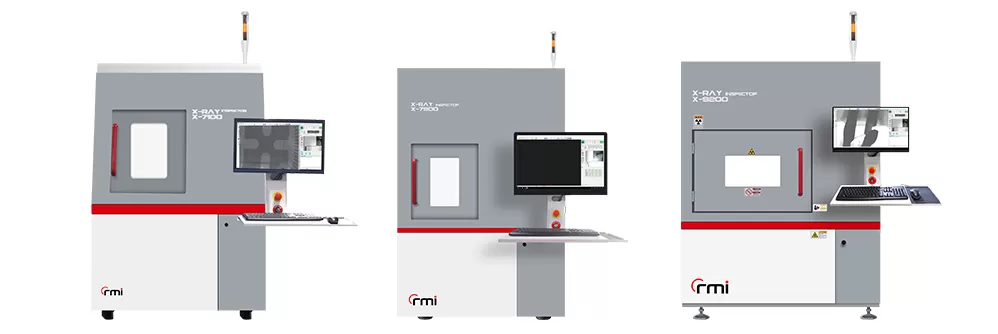
AOI sees what the eye can see — and does it thousands of times per minute with machine consistency. X-ray sees what AOI cannot: the solder joints hidden beneath BGA, QFN, and CSP packages. This article compares both methods, explains when each is sufficient, and why combining them delivers the strongest inspection coverage. Superb Automation runs 3D AOI on every assembled board and 3D X-ray on all hidden-joint packages as standard.

read more

ICT vs FCT: In-Circuit Testing and Functional Testing Explained

ICT (In-Circuit Test) measures individual component values through a bed-of-nails fixture — catching wrong resistors, reversed diodes, and solder shorts in seconds. FCT (Functional Test) powers up the board and validates it performs its intended function under real operating conditions — catching firmware bugs, timing issues, and system-level failures. This article compares the two methods head-to-head, explains why both are needed for most production runs, and outlines Superb Automation's fixture development and test program creation process.

read more

Component Inspection & Counterfeit Detection

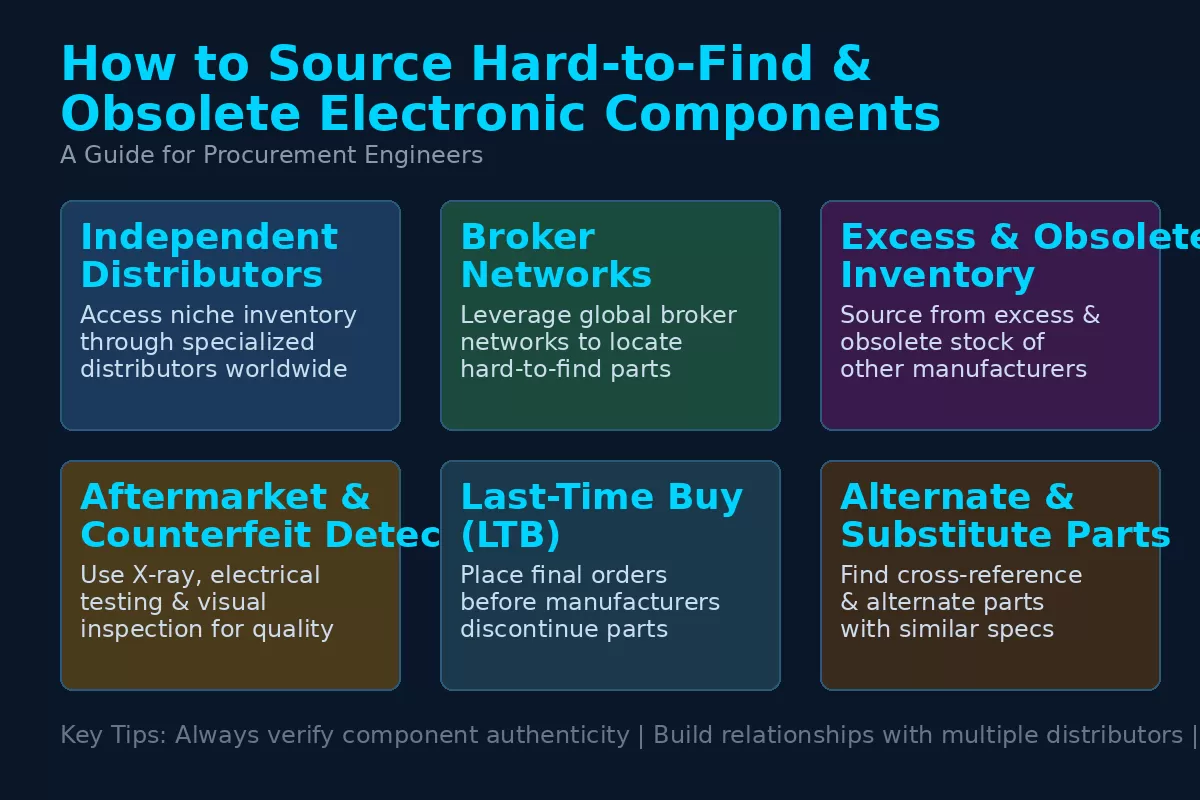
A PCB is only as good as the components on it. Counterfeit semiconductors, recycled ICs with altered markings, substandard passives, and moisture-damaged packages are not rare — they are a daily reality in global electronics supply chains. This article covers the component-level inspection toolkit Superb Automation deploys at incoming QC: visual and dimensional checks, X-ray cavity inspection, XRF material verification, decapsulation, solderability testing, and parametric electrical verification (LCR, curve tracer, functional bench). Each method is matched to the failure modes it catches, so you know exactly what you're protected against.

read more

PCB and PCBA Testing Guide — From Incoming to Final Inspection | Superb Automation

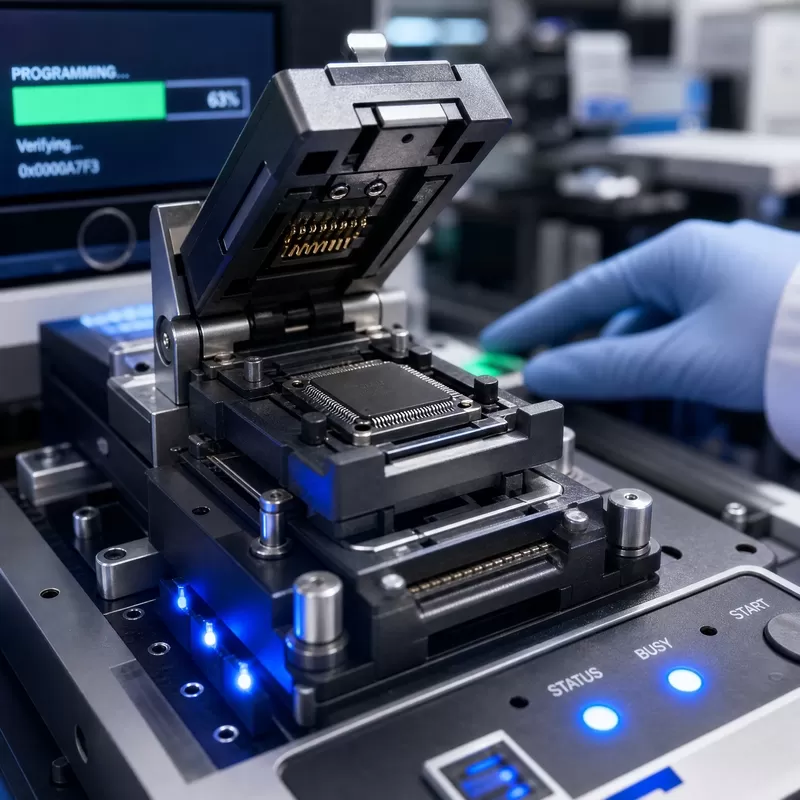
PCB testing is not a luxury — it is the line between shipping confidence and shipping risk. This guide maps the full testing pyramid from incoming QC through SPI, AOI, ICT, FCT, and system-level validation, explaining what each stage catches and why layering matters. It also covers risk-based test coverage: 100% for safety-critical functions, sampling for stable performance parameters. A practical framework for defining a test plan with Superb Automation.

read more