
RF Connector Soldering
What decides the quality of an RF connector joint, how the ground path and the launch are built, and what heat a PTFE or thermoset laminate will accept.

 English
What decides the quality of an RF connector joint, how the ground path and the launch are built, and what heat a PTFE or thermoset laminate will accept.
The causes behind a cold solder joint, the checks that separate it from a disturbed joint or an unfilled barrel, and the repair decision that follows.
What a pallet does on a mixed board, which of its features decide the joint, how it wears out, and when selective soldering is the better path.
What pin in paste asks of the stencil and the paste volume, where the joint fails, and how to tell which through-hole parts belong in the reflow oven at all.
How the second pass of a double sided build is held, what it does to the first side, and which parts cannot ride on the underside at all.
Where a package on package stack fails in assembly, how the bottom ball field and the top row are joined in one pass, and what the inspection record has to show.
The print count, paste type and aperture size that set a stencil cleaning interval, and the deposit trends that show the interval has been stretched too far.
A working comparison of the four ways a PCB panel comes apart, what each leaves on the board edge, and the point in the build where the choice stops being free.
The clearances a board needs at its own outline so it can be conveyed, placed and separated without a special process, checked before the first panel runs.
Solder paste storage and thaw control on a running line: the storage range, the thaw time per pack size, condensation, mixing and the record an audit asks for.
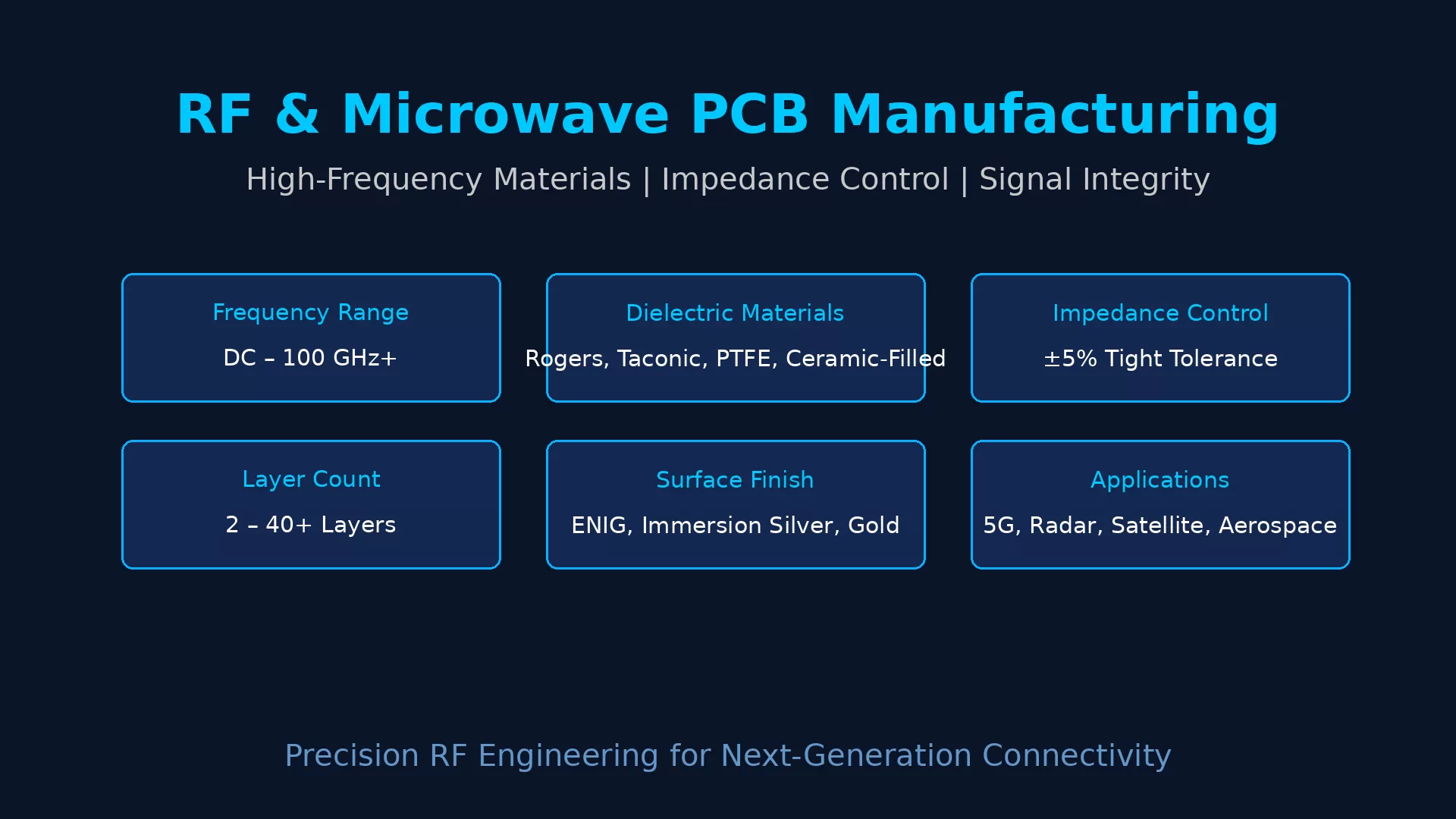
RF and microwave PCBs are a core manufacturing competency at Superb Automation. We stock and process a comprehensive range of high-frequency laminates — Rogers, Taconic, and PTFE-based substrates — across our Wuxi and Huizhou facilities. In-house plasma treatment ensures reliable plated through-holes in PTFE materials. Hybrid constructions combining RF laminates with standard FR-4 digital layers are produced on the same lamination press cycle.
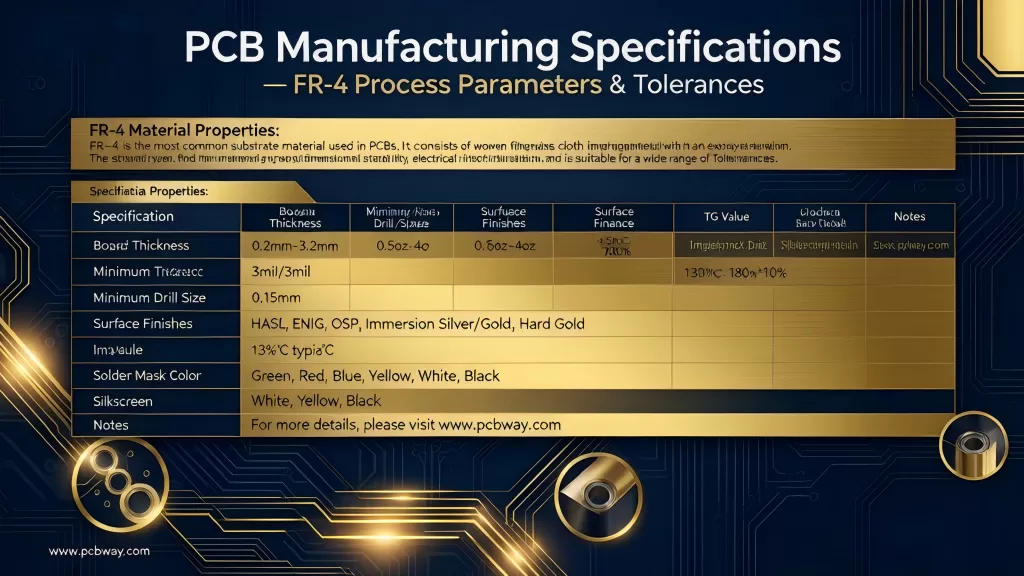
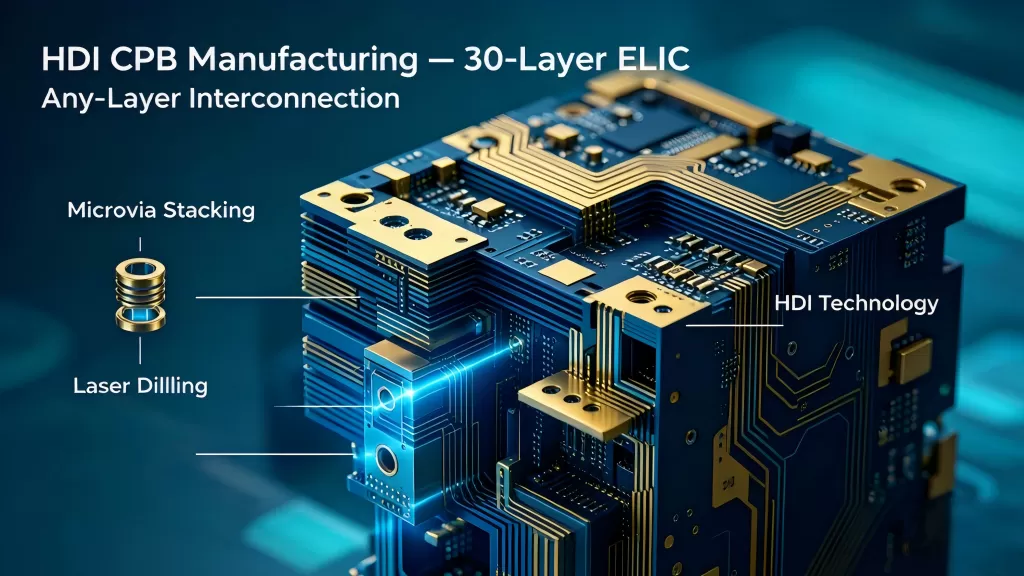
High-Density Interconnect (HDI) PCBs use laser-drilled micro-vias — as small as 0.05 mm — to connect layers at far higher density than conventional through-hole vias. Superb Automation manufactures HDI boards up to 30-layer ELIC (Every Layer Interconnect) with ultra-fine 0.035/0.035 mm trace/space, 0.3 mm BGA pitch, and copper-filled via-in-pad for maximum routing density. Applications span AI accelerator modules, automotive ADAS domain controllers, flagship smartphones, and advanced communication devices.
Superb Automation supports high-mix, high-complexity PCB production from prototype to volume, with engineering, fabrication and test under one roof. Core strengths are high-speed digital PCBs and RF/microwave PCBs - from material selection through back-drill and impedance testing - alongside HDI, rigid-flex, heavy copper and metal-core boards.
Order PCB fabrication online: upload Gerber files, instant DFM check, online quote. 4–16+ layers, 4/4 mil, ENIG. 7–10 day prototype turnaround. Superb Automation.
Design for Manufacturability (DFM) is the practice of designing PCBs that can be reliably and cost-effectively produced at scale. A board that ignores DFM may be impossible to fabricate, require expensive special processes, or suffer from low yields. Common issues include traces too narrow for the copper weight, annular rings too small for reliable drilling, components placed too close for automated assembly, and missing fiducial marks. Superb Automation provides free DFM review with every PCB order — send your Gerber files and receive a detailed manufacturability report within 24 hours.
Superb Automation provides complete PCB design, manufacturing, and embedded engineering services under one roof. Our capabilities span the full product development lifecycle: professional PCB design with DFM review, high-layer-count manufacturing up to 128 layers across Wuxi and Huizhou facilities, HDI and rigid-flex processing, advanced material selection including Rogers, Megtron, and PTFE, plus full-cycle embedded development with 15–33 years of engineering experience. From concept to production-ready boards — one team, one process, zero finger-pointing.
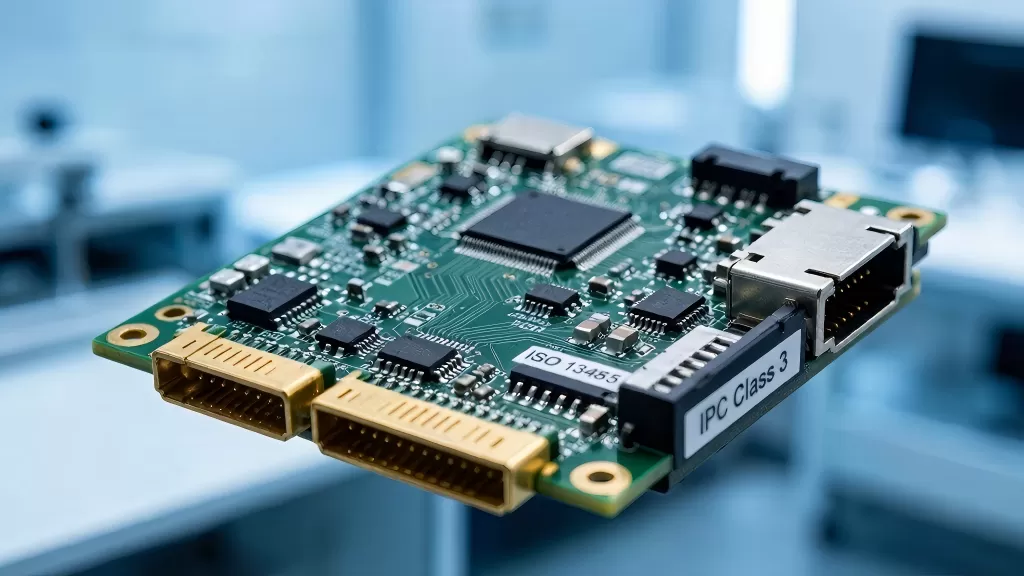
Superb Automation provides medical-grade PCBA assembly under ISO 13485 quality management with IPC-A-610 Class 3 acceptance criteria. Medical electronics demand a combination of attributes not found together in other industries: sub-microvolt analog precision alongside digital processing, battery-powered ultra-low-power operation alongside high-voltage isolation, and consumer-form-factor miniaturization alongside clinical reliability. Our medical PCBA line handles all of these requirements in a single, traceable production flow. We operate on a strict build-to-print model — customer Gerber, BOM, assembly drawings, and test specification drive the process.
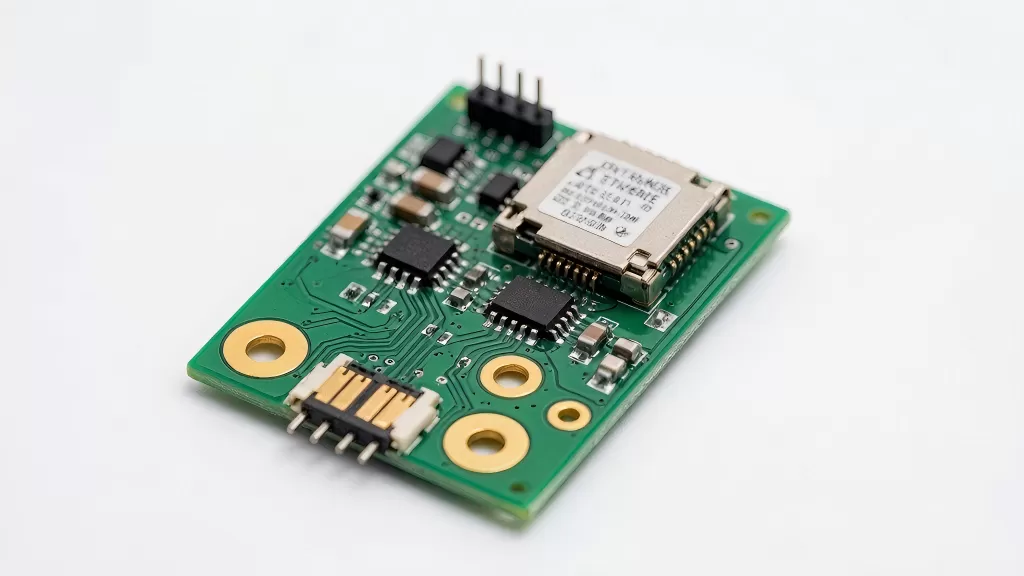
Superb Automation manufactures medical-grade PCBA for Bluetooth-enabled blood glucose meters — compact, battery-powered diagnostic devices that combine precision analog measurement with BLE wireless connectivity. The assembly integrates a high-resolution analog front-end for electrochemical glucose sensing, a low-power microcontroller for data processing and storage, a Bluetooth Low Energy module for smartphone synchronization, and a power management circuit optimized for coin-cell or rechargeable battery operation. All assembly is performed under ISO 13485 quality management and IPC-A-610 Class 3 acceptance criteria. We operate on a strict build-to-print model — the customer provides Gerber files, BOM, and assembly drawings; we handle component procurement, SMT assembly, conformal coating where specified, and functional test.
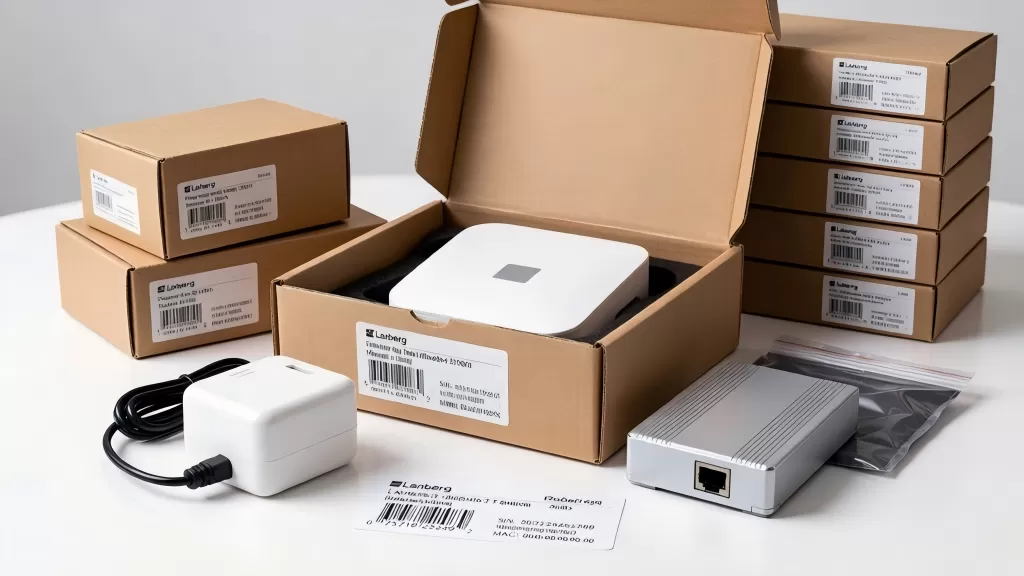
Packaging is the first physical touchpoint between your product and your customer. A generic brown box signals low quality before the device is even powered on. This article covers the full labeling and packaging workflow Superb Automation delivers: compliance labels (FCC, CE, RoHS, WEEE), traceability labels (serial numbers, MAC addresses, barcodes for automated warehouse tracking), and packaging solutions (custom-fitted foam inserts, branded retail boxes, ESD-safe and moisture-barrier packaging, multi-pack carton configurations). Labels must survive the product's environment — UV, moisture, under-hood heat — and our thermal-transfer, laser, and UV-printed options are chosen accordingly. Every packaged unit passes a final outgoing QC check.
Nearly every modern electronic product contains programmable ICs — microcontrollers, FPGAs, flash memory, configuration EEPROMs — that ship blank and must be loaded with firmware before they do anything useful. This article compares the two programming strategies: pre-programming (gang programmers load firmware before placement — fast for high volume, but creates versioned inventory overhead) and in-system programming (ISP via JTAG / SWD / UART / USB after assembly — always loads the latest firmware, no inventory fragmentation). Superb Automation supports both, with automated fixtures, verification-after-write, and firmware version control to guarantee every unit ships with the correct image.
Nearly every modern electronic product contains programmable ICs — microcontrollers, FPGAs, flash memory, configuration EEPROMs — that ship blank and must be loaded with firmware before they do anything useful. This article compares the two programming strategies: pre-programming (gang programmers load firmware before placement — fast for high volume, but creates versioned inventory overhead) and in-system programming (ISP via JTAG / SWD / UART / USB after assembly — always loads the latest firmware, no inventory fragmentation). Superb Automation supports both, with automated fixtures, verification-after-write, and firmware version control to guarantee every unit ships with the correct image.
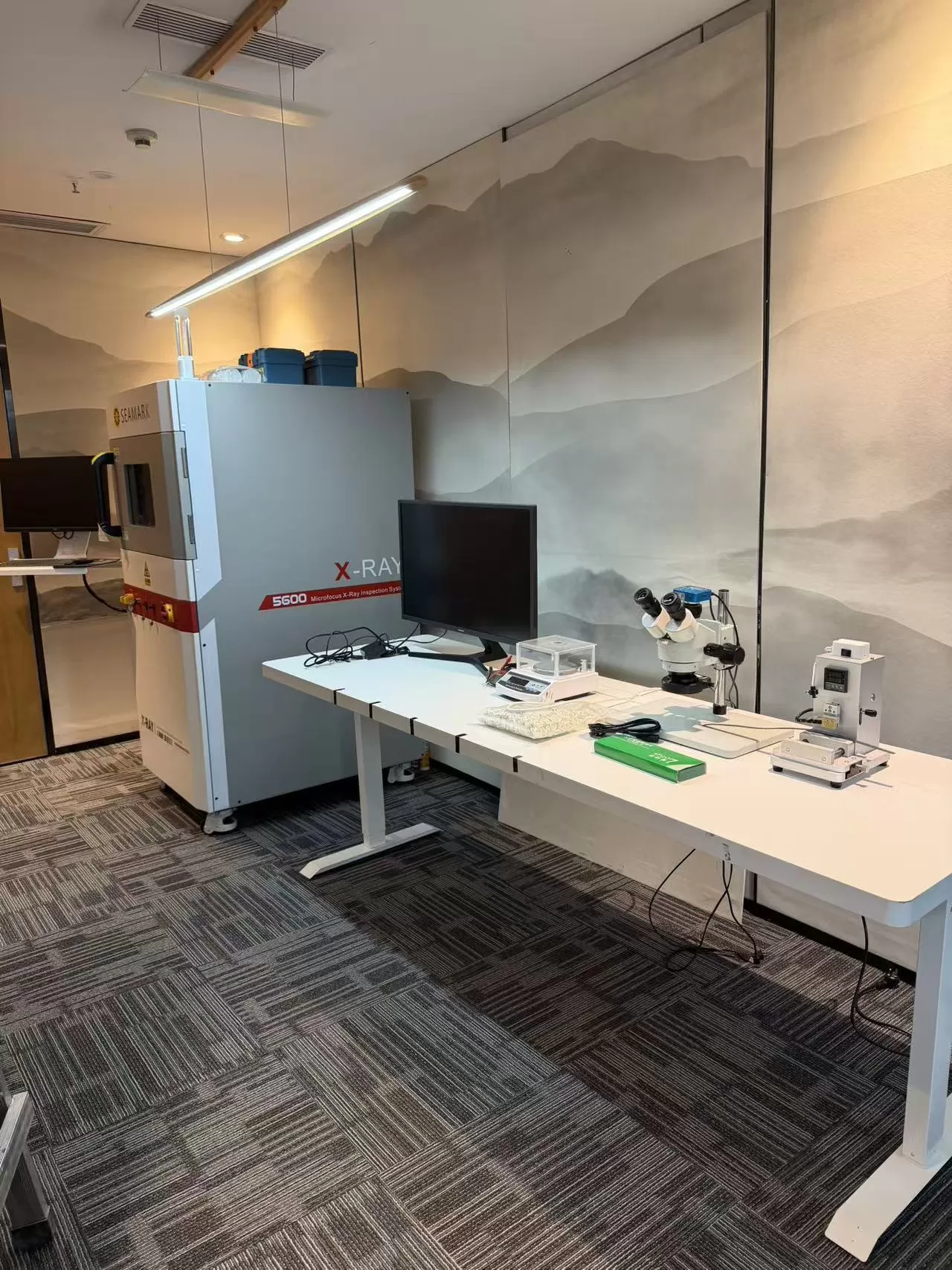
Our in-house component inspection standard: acceptance criteria for marking, dimensions, coplanarity, X-ray structure and quantity, the eight pieces of equipment used, sampling, release signatures and what goes to third-party labs.
The PCBA inspection sequence before shipment, why the station order matters, environmental and reliability testing, and what a batch release record contains.
Eleven PCB checks run before a panel ships, what each proves, which standards set the criteria, the sampling plan and the release record.