
IC Programming and Firmware Flashing in Electronics Manufacturing
How in-circuit and pre-programming IC services streamline your production process
Why IC Programming Is Critical in Manufacturing
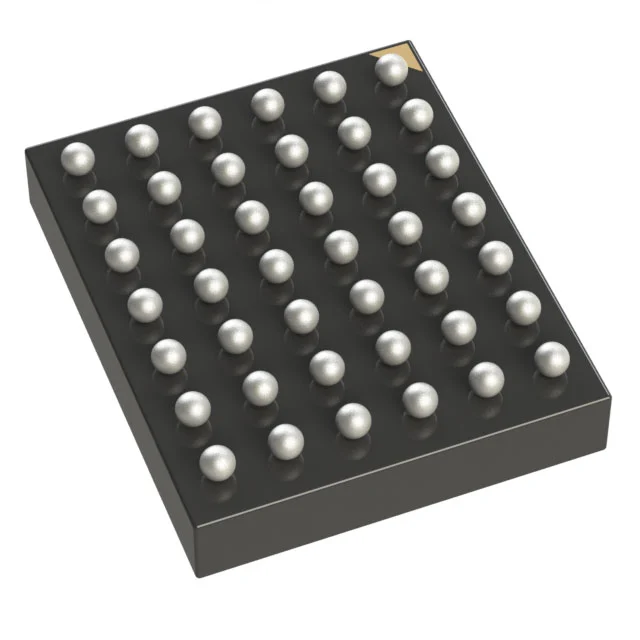
Most modern electronic products contain programmable ICs — microcontrollers, FPGAs, flash memory, and configuration EEPROMs — that must be loaded with firmware or configuration data before the product can function. IC programming can be done before assembly (pre-programming) or after assembly (in-system programming), and the choice affects production efficiency, inventory management, and field service flexibility.
Programming errors are a common cause of production test failures. A systematic programming process with verification after each programming cycle eliminates this failure mode.
Pre-Programming vs In-System Programming
| Pre-Programming | In-System Programming (ISP) | |
|---|---|---|
| When | Before component placement | After PCB assembly |
| Interface | Gang programmer sockets | JTAG, SWD, UART, USB on PCB |
| Speed | Fast — parallel gang programming | Slower — sequential per board |
| Inventory | Versioned — each FW = new SKU | Single blank — FW loaded at test |
| Firmware flexibility | Low — rework programmed inventory | High — latest version always loaded |
| Best for | High-volume, stable firmware | Multi-variant, frequent updates |
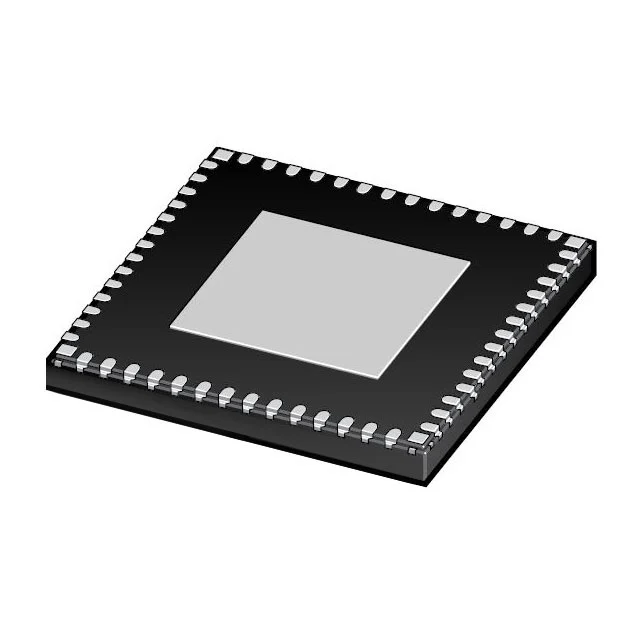
Pre-programming loads firmware into ICs before they are soldered onto the PCB. This is fastest for high-volume production because programming can be done in parallel on gang programmers. The downside is that programmed ICs must be tracked as separate inventory items, and firmware version changes require reworking already-programmed inventory.
In-system programming (ISP) loads firmware through the PCB's programming interface — JTAG, SWD, UART, or USB — after assembly. This allows the same PCB to be loaded with different firmware versions for different customers or products. It also simplifies firmware updates — the latest version is always loaded at test time.
Superb Automation supports both pre-programming and ISP, with automated programming fixtures and firmware version control to ensure every unit is loaded with the correct firmware.