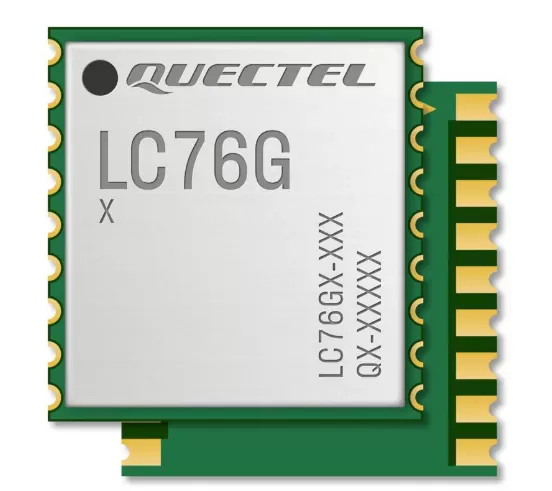

How to Verify original Electronic Components and Avoid fake Parts
A practical guide to authenticating electronic components and protecting your supply chain from counterfeit risk
The Scale of the Counterfeit Problem
Counterfeit electronic components are a multi-billion-dollar problem affecting every sector of the electronics industry. Reports from industry organizations estimate that counterfeit parts cost the global electronics supply chain over $75 billion annually. These are not just harmless knock-offs — counterfeit components can fail catastrophically, causing equipment damage, safety incidents, and reputational harm.
Common types of counterfeits include: relabeled parts (lower-spec components marked as higher-spec), used parts cleaned and sold as new, empty or non-functional packages, and clone parts manufactured without authorization.
Visual Inspection: The First Line of Defense
The first and most accessible verification method is visual inspection under a microscope. Trained inspectors look for: inconsistent marking (fonts, alignment, or laser marking patterns that differ from known genuine samples), evidence of sanding or resurfacing on the package body, oxidation or bent leads indicating prior use, and date codes that are inconsistent with the component's production history.
While visual inspection can catch obvious counterfeits, sophisticated fakes can pass visual checks. Visual inspection should always be supplemented with additional verification methods for high-value or safety-critical parts.
Advanced Verification Methods
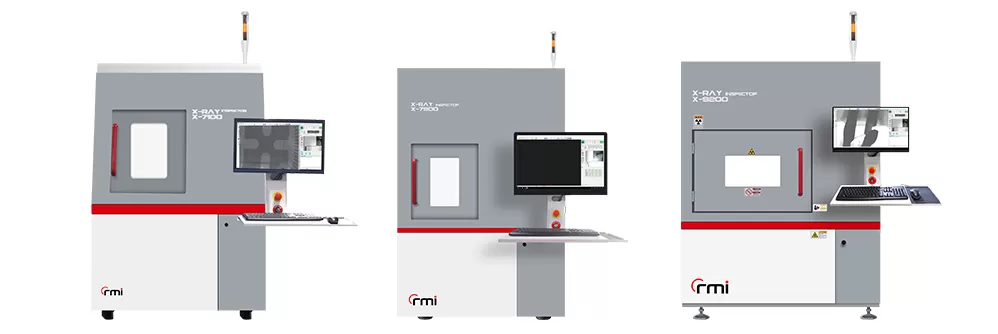
X-ray inspection reveals the internal structure of a component — the die size, wire bonding pattern, and lead frame design. Genuine components have consistent internal structures that match manufacturer specifications. Counterfeits often have different die sizes, missing or different wire bonds, and inconsistent lead frames.
Decapsulation — chemically removing the package to expose the die — provides definitive identification of the silicon inside. The die markings can be compared against manufacturer records to verify authenticity. While destructive, this method is essential for qualifying new supply sources.
Electrical testing verifies that the component meets its published specifications. Key parameters are tested and compared against datasheet values. Components that fail electrical testing are removed from inventory before they can cause field failures.
Prevention Is Better Than Detection
The most effective counterfeit prevention strategy is sourcing only from trusted distributors and manufacturers. trusted channels provide a documented chain of custody from the component manufacturer to your production line. While trusted pricing may be higher than the open market, the cost of a single counterfeit-induced field failure typically far exceeds any per-unit savings.
Superb Automation sources 100% of components through trusted channels. Every component is backed by full traceability documentation and our 730-day warranty.