
IPC Standards for PCB Assembly: Class 2 vs Class 3 Explained
Understanding IPC workmanship standards and which class your product requires
What Are IPC Standards?
IPC (Association Connecting Electronics Industries) publishes the globally recognized standards for PCB design, fabrication, and assembly. IPC-A-610 — Acceptability of Electronic Assemblies — is the most widely used standard for evaluating PCB assembly quality. It defines three classes of products based on their reliability requirements.
These standards provide objective, measurable criteria for solder joint quality, component placement, cleanliness, and other workmanship factors. They eliminate subjective judgments about what is "good enough" and provide a common language between manufacturers and customers.
IPC Class 1: General Electronic Products
Class 1 covers products where the major requirement is function of the completed assembly. Cosmetic imperfections are acceptable as long as the product works. Class 1 is rarely used in professional electronics manufacturing — it applies mainly to disposable consumer items and toys.
IPC Class 2: Dedicated Service Electronic Products
Class 2 is the standard for most commercial and industrial electronics. Products must have high reliability and extended life, but some cosmetic imperfections are acceptable. Uninterrupted service is desired but not critical — a failed computer server is a problem, but not a safety hazard.
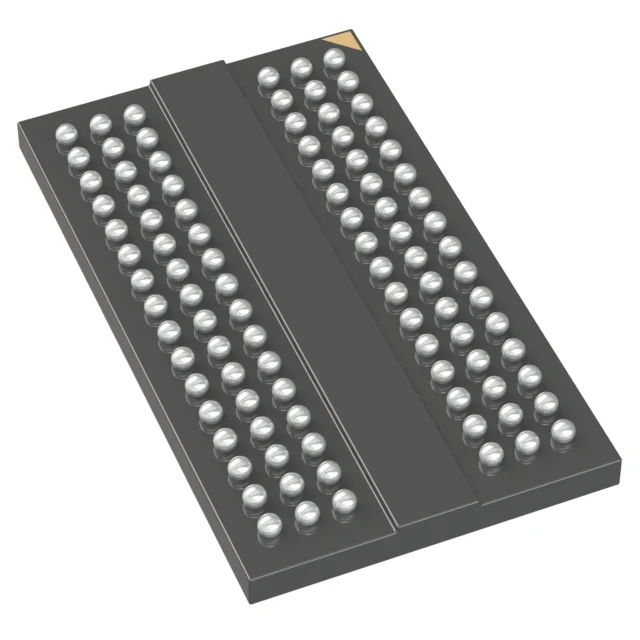
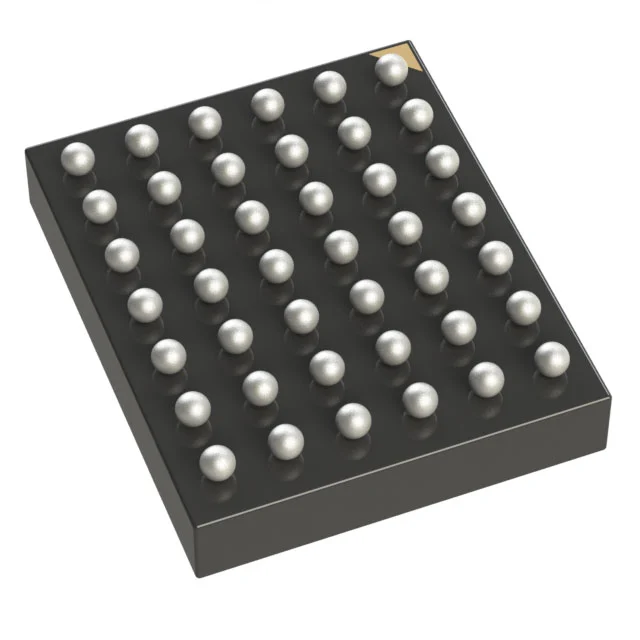
Class 2 allows 25% of the solder joint surface area to have voids (for BGA packages), minor solder balling away from conductors, and slight misalignment of components. These imperfections do not affect function or expected lifetime.
Most industrial control equipment, consumer electronics, and commercial telecom equipment are built to Class 2 standards.
IPC Class 3: High-Performance Electronic Products
Class 3 is the highest standard for products where continued performance is critical and downtime cannot be tolerated. Medical life-support equipment, aircraft flight controls, military weapons systems, and automotive safety systems require Class 3 workmanship.
Class 3 imposes stricter criteria: BGA voiding limited to 15%, tighter component placement tolerances, minimum solder fill requirements in plated through-holes, and more stringent cleanliness standards. The cost of Class 3 assembly is typically 20–50% higher than Class 2 due to additional inspection and process control requirements.
Class 2 vs Class 3: Key Differences
| BGA void limit | 25% of joint area | 15% of joint area |
| PTH solder fill (Class 3 = barrel fill ≥ 75%) | 180° wetting, no minimum fill | 75% barrel fill required |
| Component placement | Slight misalignment allowed | Tighter tolerances on centering and rotation |
| Solder balling | Allowed if not near conductors | Minimal, tightly controlled |
| Cleanliness (ionic contamination) | Process control per supplier | Strict limits, verified per lot |
| Inspection level | Sample-based AOI | 100% AOI + X-ray on hidden joints |
| Traceability | Lot-level | Serial-number-level component traceability |
| Typical products | Industrial controls, servers, consumer | Aerospace, medical, military, automotive safety |
| Cost relative to Class 2 | — | +20% to +50% |
Which Class Does Your Product Need?
For most commercial and industrial products, IPC Class 2 delivers the right balance of reliability and cost. If your product is safety-critical — medical life support, aircraft controls, automotive ADAS or braking, military systems — Class 3 is not optional; it is the minimum acceptable standard recognized by regulators and customers worldwide.
Superb Automation offers both IPC Class 2 and Class 3 assembly, with documented process controls, inspection records, and certificates of conformance for every production lot.