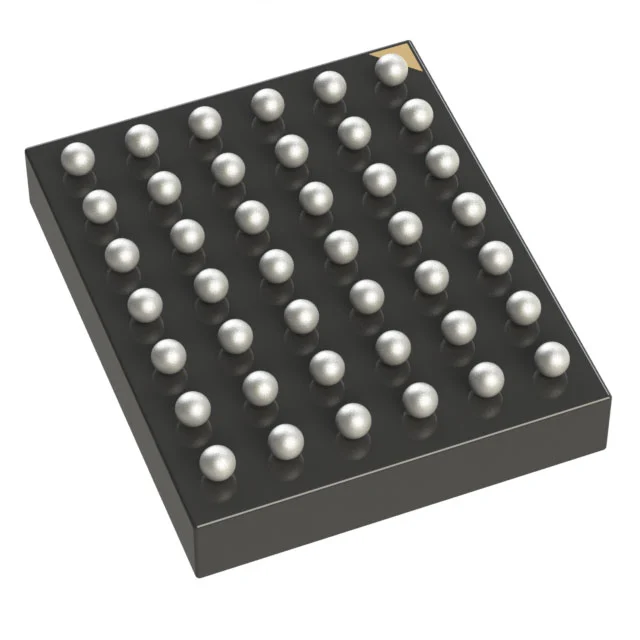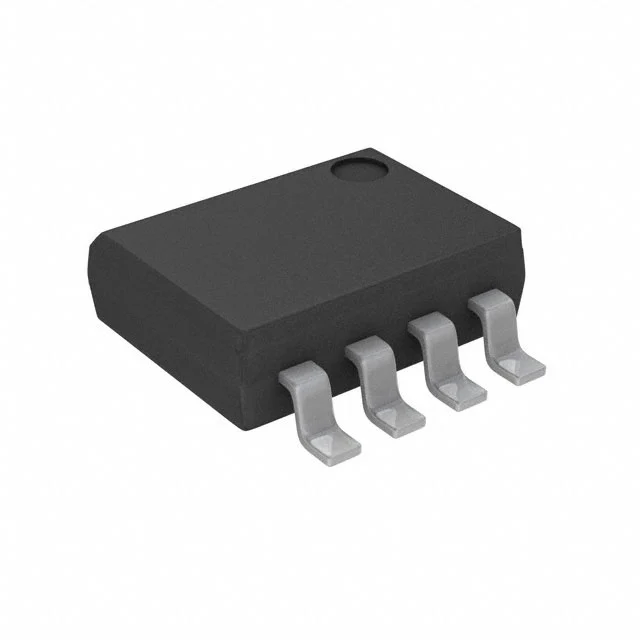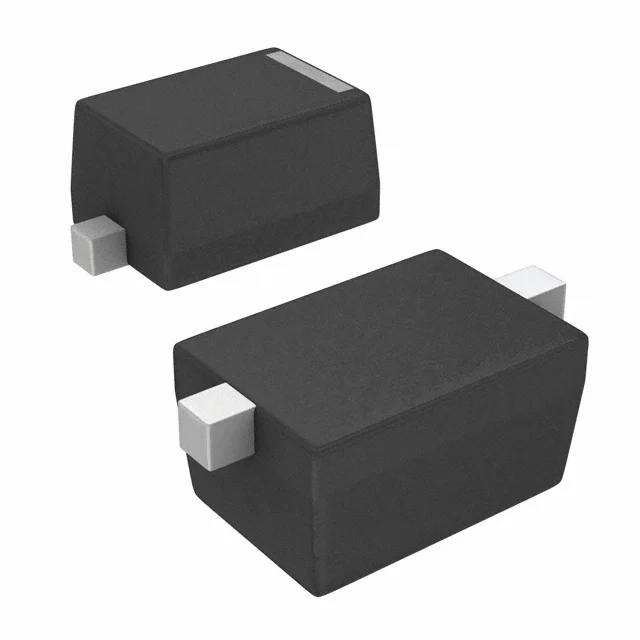

ISO7742FQDBQRQ1
Brand: Texas Instruments
Texas Instruments ISO7742FQDBQRQ1 is a power management component designed for AI Servers & Low-Altitude Economy (Drone and UAV) and related applications. In stock at Superb Automation — request a quote for competitive pricing and fast delivery.
Product Specifications
ISO7742FQDBQRQ1
Texas Instruments — Power Management & Signal Chain
Product Overview
The ISO7742FQDBQRQ1 from Texas Instruments is a power management / signal chain IC delivering high efficiency, precision regulation, and robust protection. Texas Instruments (TI) is a global leader in analog ICs, power management solutions, and embedded processors.
Superb Automation partners with leading brands including Qorvo, TI, ADI, XILINX, NVIDIA, Intel, ST, MACOM, Renesas, and Coilcraft to provide complete BOM and supply-chain solutions.
Key Features
- High-efficiency power conversion with low quiescent current
- Wide input voltage range with precision output regulation
- Integrated over-current, over-temperature, and short-circuit protection
- Small footprint packaging for space-constrained designs
- AEC-Q100 qualified options available for automotive applications
- Flexible sequencing and soft-start control
Key Specifications
| Input Voltage | V |
| Output Voltage | V |
| Output Current | A |
| Switching Frequency | kHz |
| Efficiency | % |
| Quiescent Current | µA |
| Topology | — |
| Package | — |
| Operating Temp | °C |
| Protection | — |
Applications
Industrial Automation
Automotive Electronics
Telecom Infrastructure
Server & Data Center Power
Medical Devices
Consumer Electronics
Request Quote — In Stock, 100% New & Original, Full Warranty
ISO7742FQDBQRQ1: the automotive quad isolator, two channels each way
The ISO7742FQDBQRQ1 is the automotive qualified member of the ISO774x family with two forward and two reverse channels, a low default and a 100 Mbps rating. AEC-Q100 grade 1 puts the ambient range at minus 40 C to plus 125 C, which is the grade battery management, on board chargers and traction inverters are usually specified against.
The qualification is what the Q1 letter buys. The die is the same family as the industrial part, and the electrical behaviour matches: propagation delay 6 ns minimum, 12.7 ns typical and 17 ns maximum at 5 V, common mode transient immunity 100 kV per microsecond typical, and 100 Mbps on either direction. What changes is the test flow, the temperature grade and the documentation that comes with the lot.
Isolation in the shrink body is 3000 VRMS for one minute under UL 1577 and 4242 VPK under the VDE certificate, with a working voltage named on the same certificate. The wide body of the family carries 5000 VRMS and 8000 VPK where a higher barrier is needed, and the two bodies do not share a land pattern.
Key data for the ISO7742FQDBQRQ1
| Channels | Four, two forward and two reverse, with an output enable per side |
| Qualification | AEC-Q100 grade 1, ambient minus 40 C to plus 125 C |
| Data rate | 100 Mbps maximum specified on either direction |
| Isolation in this body | SSOP DBQ gives 3000 VRMS and 4242 VPK, the wide body of the family gives 5000 VRMS and 8000 VPK |
| Supply | 2.25 V to 5.5 V on each side, level translation across the barrier |
| Timing | Propagation delay 12.7 ns typical and 17 ns maximum at 5 V |
| Immunity | CMTI 100 kV per microsecond typical and 85 kV per microsecond minimum |
Body, packing and marking data
| Body | SSOP DBQ, 16 pins, 4.9 mm by 4.9 mm |
| Packing | 2500 pieces on a large reel on the plain and the A row |
| Finish | NIPDAU, moisture level 2, 260 C peak, one year floor life |
| Temperature | Minus 40 C to plus 125 C ambient, the automotive grade rather than the industrial range |
| Marking | The body carries the family and default code, and the grade is proved by the lot documentation |
The Q1 string and the industrial addendum
Engineering teams often pull the string from a catalogue page and hand it to purchasing without noticing that the published orderable addendum for the industrial family does not print the Q1 row. That does not make the part unavailable. It means the row lives in a separate qualified document with its own packing and its own temperature column, and the confirmation has to come from the vendor or from a ship record.
At goods inwards, the automotive grade is proved by the lot documentation rather than by the marking on the body. Keep the certificate of conformance with the lot, record the date code, and compare the tape label with the row that was ordered. A carton that matches the string but has no grade evidence is a claim, not a qualification.
Where the automotive quad map is used
Battery management systems use this part to carry the daisy chain and the enable lines from the pack controller across the isolation boundary. On board chargers and traction inverters use it for gate commands and fault returns where the controller sits on a low voltage island. Two channels each way matches a transceiver with a driver enable and a receiver enable.
Our CAN bus transceiver selection page covers the pairing of an isolated transceiver with a digital isolator, and the how to verify a drop in replacement page sets out the checks that separate a qualified part from a lookalike.
Questions we get on this code
Buyers ask whether the industrial member can be used in a vehicle if the temperature range happens to suit. It should not be. The automotive grade is a test flow and a documentation set as much as a temperature window, and a customer who audits the supply chain will ask for the qualification evidence, not for the datasheet number.
The second question is about the default state on an automotive board. A low default on the return channels is what most fault handlers expect, and the F letter is what delivers it. Dropping the letter to win a stock argument changes the behaviour of the board at the exact moment a fault occurs, which is the worst time to discover the difference.
A third question is about the reel and the qualification paperwork arriving together. They do not always do so when a line is fed from broker stock. Ask for the certificate of conformance with the reel label and the date code on the same sheet, and reject a lot where the grade cannot be traced to a document rather than to a marking.