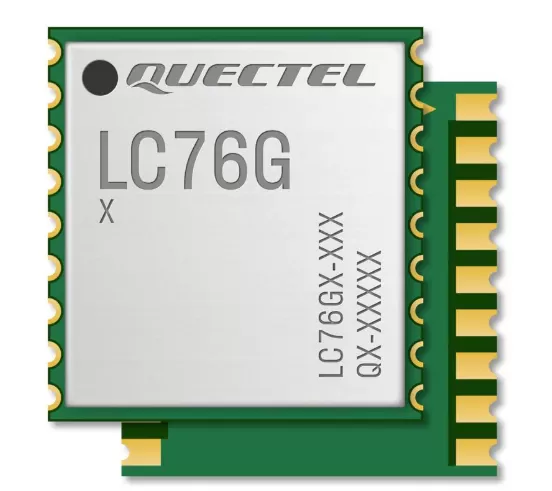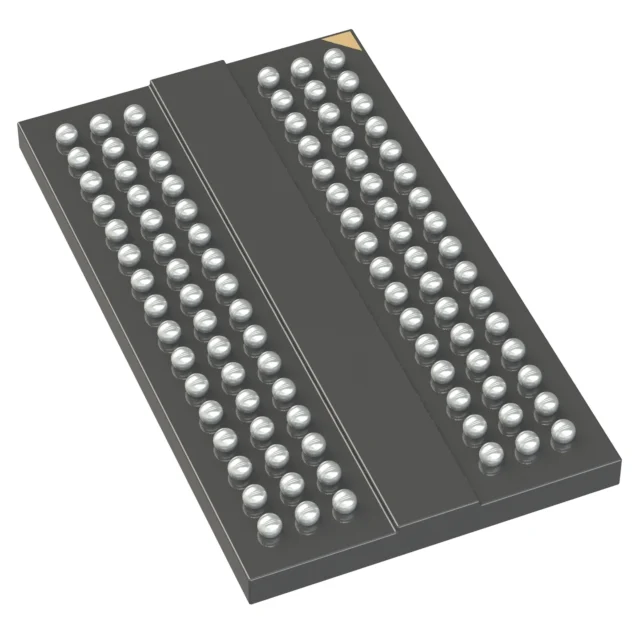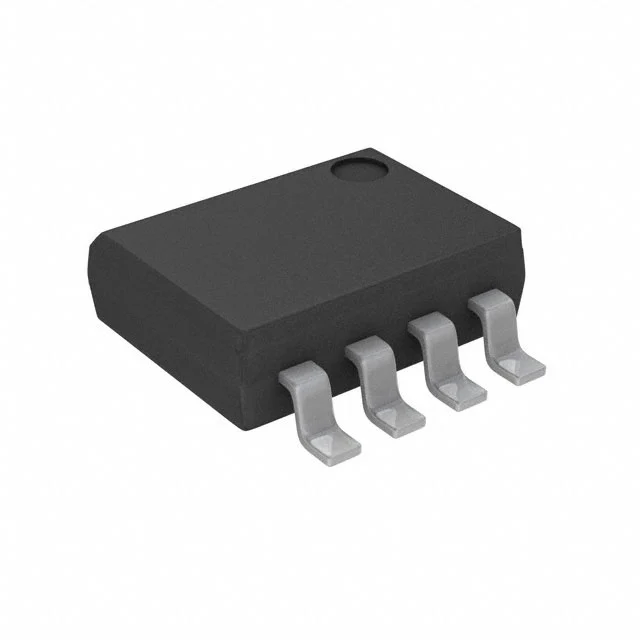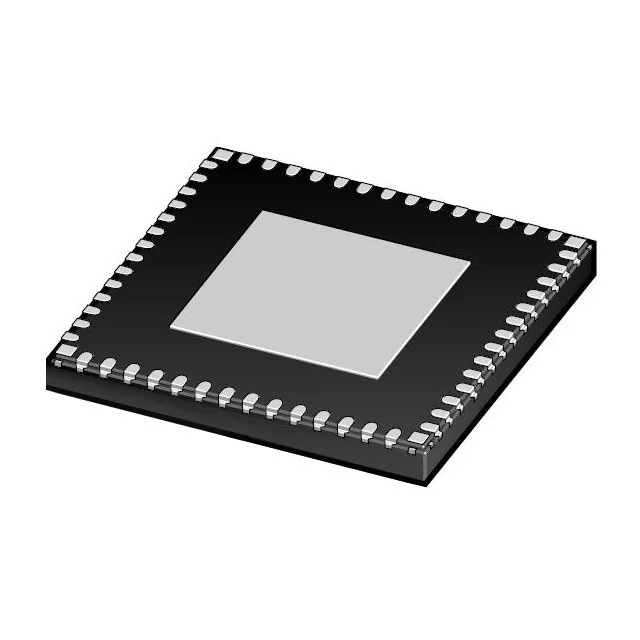
Every programme reaches the same point: a part that was in stock for years is suddenly marked as obsolete, and the first thing the buying team receives is a table of alternatives from someone who has never seen the board. Some of those alternatives are real. Others share a package and a headline specification and nothing else. An obsolete part cross reference is only useful if it tells you which is which before the drawings are changed.
This hub collects the routes that work when a device leaves the market: last time buy, a proven cross reference, a qualified alternative, and the documentation that has to travel with any of them.
Why a cross reference is not a part number swap
A replacement has to hold on five fronts at once. The footprint and pinout have to match, or the board changes anyway. The electrical limits have to cover the circuit, including the corners the original covered. The thermal path has to stay inside the same envelope, because a smaller die in the same package can run hotter. The interface has to behave the same way at power up and at the timing edges. And whatever the part sits inside may carry a certification, which means the substitution has to survive an audit and not only a bench test.
Two parts can share a package code, a pin count and a title specification and still differ on input bias current, output settling, latch up immunity, moisture sensitivity level or the operating temperature grade. Those are the differences that decide whether a board works in the field or fails on a customer site.
Status codes and what each one calls for
| Status shown by the brand | What it usually means | What the plan has to do |
|---|---|---|
| Active | Production continues, no announced end date | Nothing to change, but a second option is worth qualifying while the part is easy to buy |
| Not recommended for new designs | Supported for existing programmes, closed to new ones | Keep for current builds, choose a different device for the next revision |
| Last time buy announced | A final order window with a date and usually a quantity cap | Calculate lifetime demand across all builds and place one covered order, not a series of partial ones |
| End of life | No further production from the brand | Move to a verified cross reference or a qualified alternative, with records for the change |
| Last time buy closed | Only stock already in the channel remains | Buy verified lots against a documented examination, or rework the circuit around a different device |
| Grade change only | The commercial grade ends while the industrial or military grade continues | Check whether the higher grade covers the same electrical window before assuming the part is gone |
How SUPERB PCBA handles an obsolete line
Send the part number, the quantity per year and the drawing or assembly it sits on. The reply covers the four routes side by side: what remains available from the last time buy, what can be sourced as verified stock, which cross reference can be proven against the original, and which alternative would need a change to the board or the test plan.
Verified stock is where the examination matters most. Material that comes from outside the normal supply channel is X-ray counted and inspected at package level, with decapsulation and marking checks where the risk warrants it, and records kept against the build. Verified lots carry a 730 day warranty. Where a part is sourced as a cross reference, the differences against the original are listed line by line and the substitution needs written approval from your side before it joins the BOM.
The replacement is then proved on the assembly, not on paper alone. SUPERB Assembly runs first article inspection against the released data, fine pitch SMT down to 01005 with 3D SPI and 3D AOI, X-ray inspection in 2D and CT mode with voiding below 5 percent, plus in circuit and functional test on fixtures approved by the customer, under IPC-A-610 Class 2 and Class 3, IPC-7095 for area array work, ISO 9001 and ISO 13485 for medical programmes. Boards for the same build are supported from 500 MHz to 77 GHz with lines down to 0.05/0.05 mm and up to 68 layers, so a replacement that needs a small change to the board does not have to leave the programme. SUPERB Tech keeps the original and the replacement records in one place, so a later audit shows the reason for the change and the evidence behind it.
Background reading: sourcing obsolete components, obsolete RF part replacement, pin to pin cross reference, and the part by part comparison of ten popular devices.
Documents that should travel with a cross reference
Four documents end most arguments. The first is a side by side comparison of the parameters that matter to the circuit, not the full datasheet. The second is the qualification or first article report from the assembly that now carries the replacement. The third is the traceability record for the lots used, from the reel to the shipped unit. The fourth is the written approval that authorised the change, with the conditions attached to it.
Where the part sits inside a medical, defence or telecom programme, the same four documents are usually the ones an auditor asks for, which is why they are worth producing once at the time of the change instead of reconstructing later.
Obsolete part questions
How long can a cross reference take to prove?
It depends on whether the part can be examined on the bench or has to be run in the finished assembly. A parameter comparison can usually be returned with the quotation, while a first article report needs the assembly in hand.
Is a pin compatible part always acceptable?
No. Pin compatibility is the entry condition. The circuit corners, the thermal path and the certification of the finished product decide whether it can actually be used.
What if no cross reference exists?
Then the options are covered stock from the last time buy, verified lots with documented examination, or a change to the board around a device that is still in production. The third route is quoted with the assembly and test impact included.
Can the change be made without touching the certification file?
Only where the substitution falls inside the conditions already agreed for the programme. Otherwise the change has to be recorded, which is a reason to document it properly the first time.
Next step
Send the obsolete part number with the assembly it belongs to and the quantity you need per year. You get the four routes side by side, with the cross reference differences written out and the evidence that supports each one.