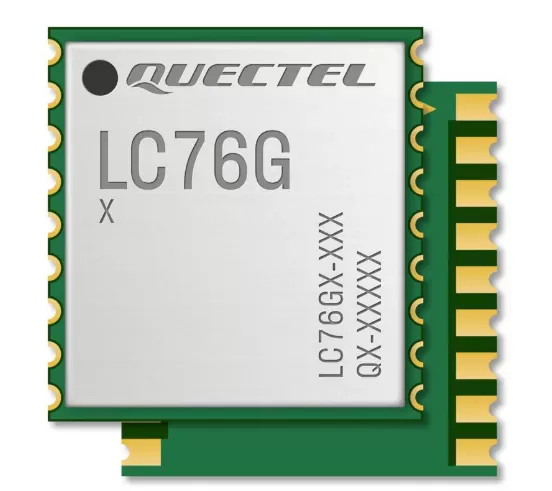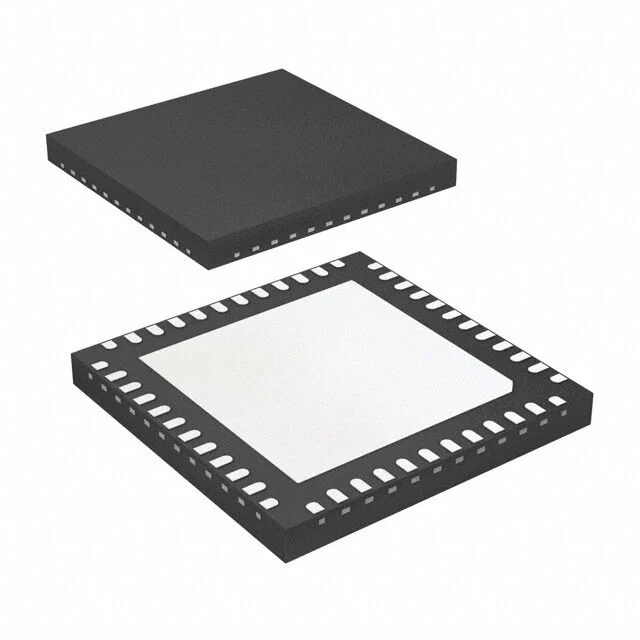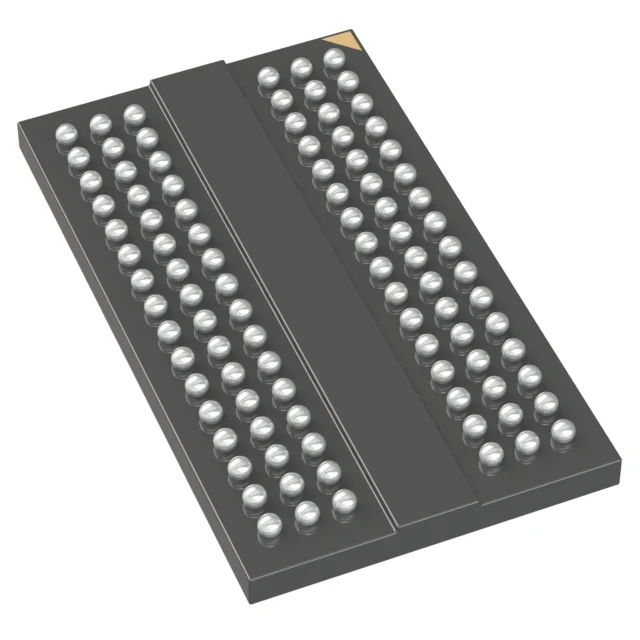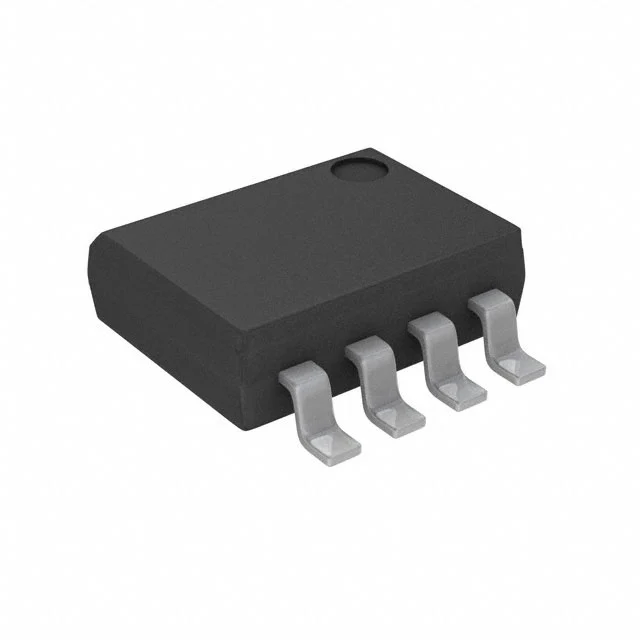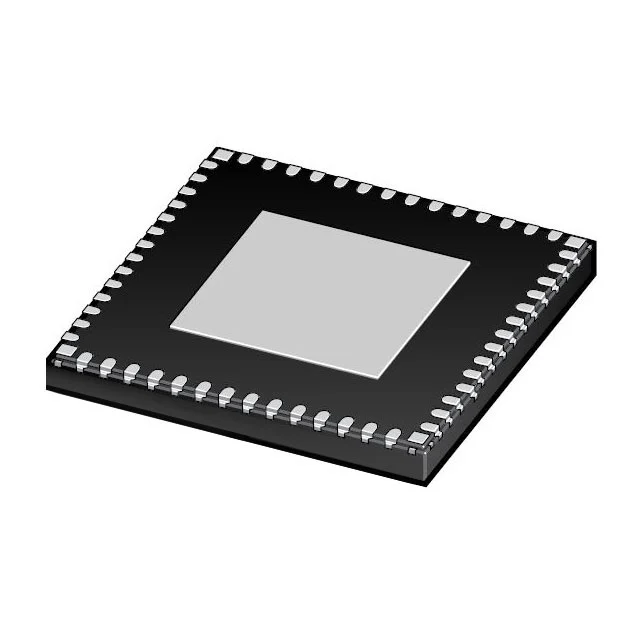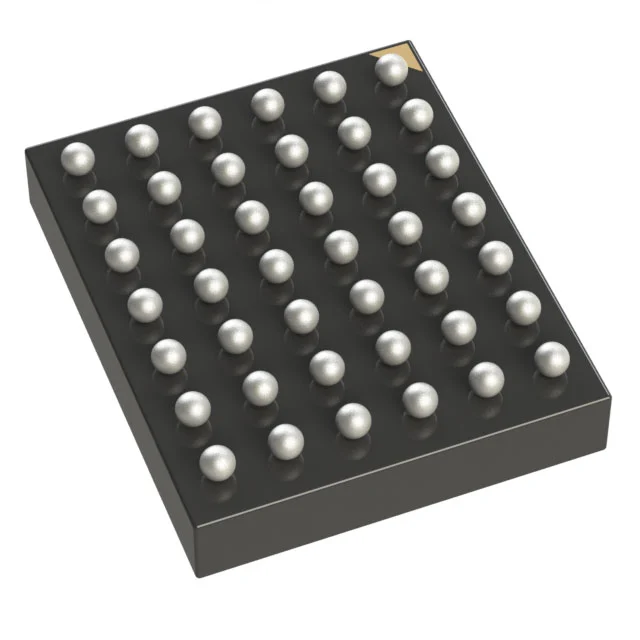

A replacement quoted as pin to pin is only useful when it drops into the same footprint, the same supply rail and the same timing budget. Most failed substitutions are not electrical failures, they are paperwork failures: a package variant that looks identical on the drawing, an exposed pad tied to a different net, a tape and reel orientation that flips the part, or a second source that was never signed off on paper before the boards went into reflow.
This page is for the buyer or component engineer who has a short line on a BOM and needs a replacement that will survive a line by line audit. It covers what SUPERB PCBA checks before a cross reference is offered, the differences that decide whether a part is really drop in, and the information that turns a question into a usable proposal.
Pin to pin is three different claims
Buyers and engineers use the same phrase for three levels of compatibility. Separating them early is what stops a cheap quote from turning into a board revision.
| Level | What matches | What still has to be checked | Who approves it |
|---|---|---|---|
| Footprint identical | Package, pin count, pad pitch, pin 1 position | Exposed pad net, paste area, reel orientation | Assembly review |
| Pin compatible | Footprint plus the same function on the same pin | Supply range, logic thresholds, timing, output drive | Engineering sign off |
| Drop in | Footprint, pin functions, ratings and interface behaviour | Register behaviour, temperature grade, moisture sensitivity level | Customer written approval |
The level decides how much work sits behind the quote. A footprint match can be quoted in hours. A drop in claim needs parameter level evidence attached to it, because the person who signs the change note is the person who owns the field failure if the part is not what it was said to be.
What to send with the cross reference request
Four items decide how fast a usable proposal comes back. Missing any of them turns the answer into a part number list instead of a decision.
| Item | Why it changes the answer |
|---|---|
| Short part number and quantity | Drives whether the original is still obtainable and at what premium |
| Board reference and build date | Sets the lead time target and rules out options that arrive late |
| Function on the board | Decides whether a near equivalent with a stated difference is acceptable |
| Target price or brand preference | Removes options that would never be approved by your sourcing team |
What actually breaks a cross reference
In practice the failures cluster in a few places, and none of them are visible in a part number search.
Package variants inside the same part number family. A suffix that changes body size, pin length or thermal pad geometry is easy to miss when the search is done on the base number. The replacement fits the pads but not the stencil aperture, and the joint fails at temperature cycling rather than at first article.
Thermal path and grounding. An exposed pad connected to ground on one device and to a sense net on another will pass an electrical test and fail in the field. This is checked on the board net list, not on the drawing.
Rating and grade differences. Industrial and automotive grades, extended temperature ranges and different moisture sensitivity levels change both the process window and the long term reliability of the same footprint.
Material that is not what it says it is. Shortage markets attract re-marked parts, so any part outside the normal channel has to be verified before it is offered, not after the customer asks.
Approval that never happened. A replacement agreed by email during a schedule crisis, with no parameter table and no signature, is the most expensive kind of substitution.
What a SUPERB PCBA cross reference proposal contains
Send the short part number, the quantity, the board it sits on and the build date. The reply comes back with the proposed replacement and the evidence behind it: package and pinout comparison, key parameter table with the differences called out rather than hidden, temperature grade, moisture sensitivity level, date code and lot traceability for the offered material, and a note on anything that does not match.
Where no drop in part exists, the proposal says so and names the nearest option plus the change it would require on your side. Nothing is substituted without your written approval, and pin to pin replacements follow the same rule. Parts from outside the normal channel carry X-ray reel counting and package inspection, and verified material keeps a 730 day warranty.
The board side is usually part of the same question. Boards are supported from 500 MHz to 77 GHz with lines down to 0.05/0.05 mm and up to 68 layers, impedance held to plus or minus 5 percent, with Rogers RO4003C and RO4350B plus Taconic RF-35 and TLY-5 laminates available through established supply channels. SUPERB Assembly covers fine pitch SMT down to 01005 with 3D AOI and X-ray inspection in 2D and CT mode under IPC-A-610 Class 2 and Class 3, ISO 9001, and ISO 13485 for medical programs.
SUPERB Tech works the replacement from both ends: the component side checks whether the part can be sourced and verified, the assembly side checks whether it can be placed, inspected and tested inside the existing process window. A replacement that cannot be inspected on the existing test plan is reported as a risk rather than quietly shipped.
Background reading: the component sourcing and supply overview, second source qualification for drop in parts, verification steps that avoid counterfeits, and sourcing obsolete components.
Pin to pin cross reference questions
Is a pin compatible part the same as a drop in part?
No. Pin compatible means the footprint and pin functions line up. Drop in adds the ratings, the interface behaviour and the process data. Ask which one is being offered before you approve anything.
Who decides whether the replacement is acceptable?
Your engineering team does. Our job is to present the differences clearly enough that the decision takes minutes rather than a review cycle, and to keep the signed approval on file with the build record.
Can you quote from a part number alone?
We can start from it, but the useful quote needs the board reference, the quantity and the build date. Without those, the lead time answer is a guess and the substitute list is too long to be useful.
What if no pin to pin part exists?
Then the honest answer is a near equivalent with a stated difference, or a last time buy of the original. Both are better than a drop in claim that fails at first article.
Next step
Send the short part number, the quantity and the build date, with the board reference if you have it. You get back a replacement proposal with the parameter differences listed, the verification route for the offered material, and the lead time that follows from it.