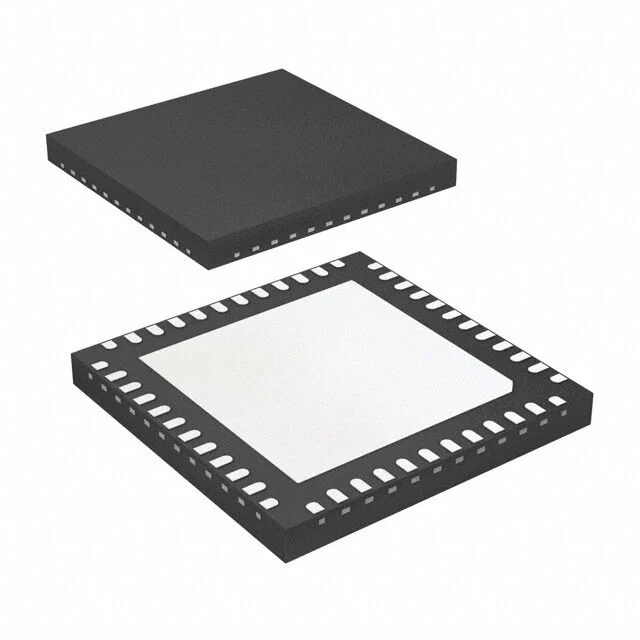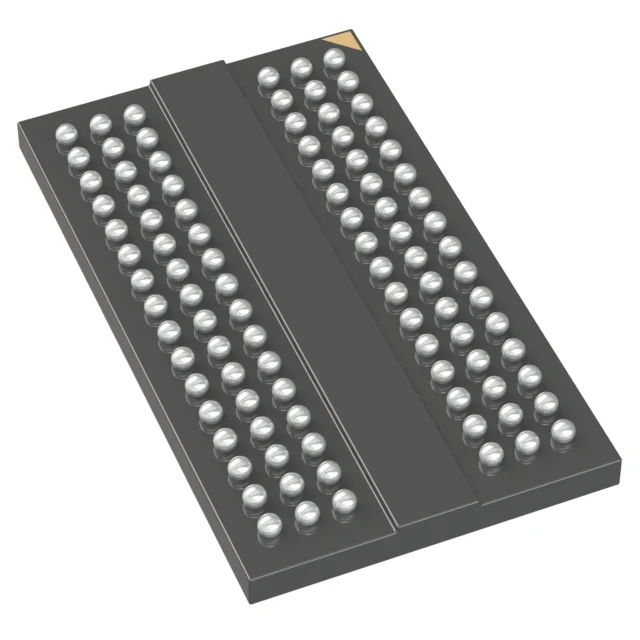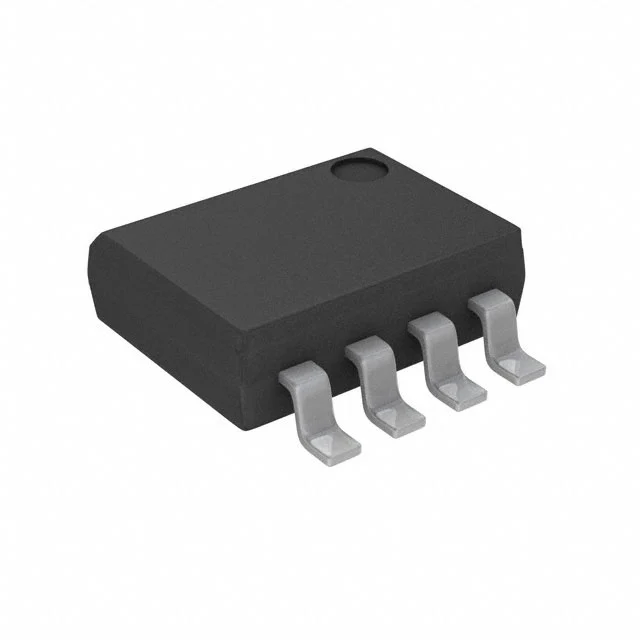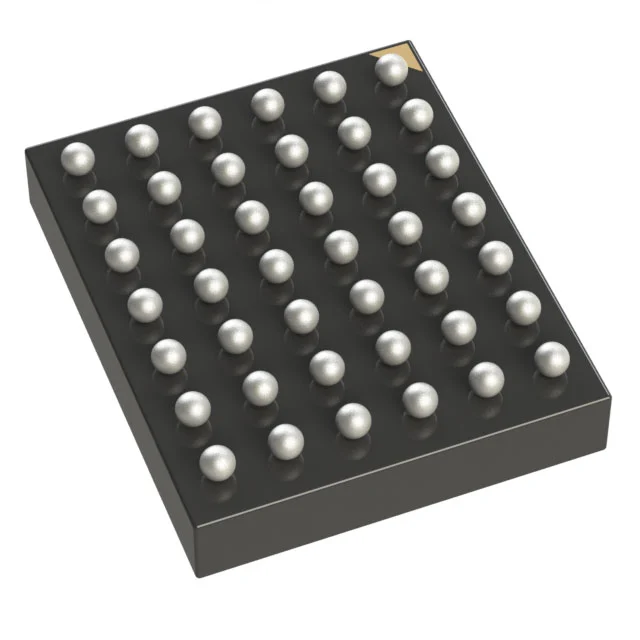

Long-life equipment is built around a bill of materials that has to hold for a decade or more. A radar front end, a telecom line card or a patient monitor is bought for ten to twenty years of service, while the production line behind some of its parts may be gone in three. When a part disappears, the difficulty is rarely the price of the alternative. It is the schedule, and the approval process the change has to travel through.
This article covers how end of life arrives, the four responses when a part is discontinued, how a last time buy quantity is sized, and what a long-life programme needs from a supply partner.
Why end of life arrives earlier than expected
The notice is a date, not a warning. By the time a discontinuation reaches a buyer, the decision window has already been set by the maker of the part.
| Driver | Typical notice window | Practical response |
|---|---|---|
| Process node migration | 12 to 24 months | Screen pin-compatible options early, while there is bench time |
| Portfolio pruning | 6 to 18 months | Negotiate the last order date, then size the buy |
| Merger or divestment | 3 to 12 months | Review lines that sit on the affected roadmap |
| Substrate or raw material shortage | 3 to 6 months | Cover the near build, start the alternate file |
Two habits make the difference. Watch the orderable part number rather than the base family, because a suffix can carry the grade that makes the part fit for the product. Then keep a lifecycle review inside the repeat-build routine.
The four responses to a discontinuation
When a line goes end of life, one of four routes is open. They are not interchangeable, and the least costly route at the moment of notice is often the most expensive over the remaining product life.
| Route | Best fit | What it commits you to |
|---|---|---|
| 1. Last time buy | Product near retirement, or a replacement still unqualified | Capital in stock, storage control, a firm quantity |
| 2. Approved alternate | Product with years left and a workable equivalent part | Comparison file, sample build, re-test on the board |
| 3. Board revision | No equivalent part exists in the same footprint | New artwork, new first article, customer change approval |
| 4. Service stock only | Production has stopped and only repair demand remains | A small buy sized on failure rate, not on output |
For defence, telecom and medical products the second and third routes are rarely fast, because a change in the signal path has to be validated and, on regulated devices, notified. That is what pushes programmes towards a last time buy.
How a last time buy quantity is calculated
The quantity is not the next annual volume. It is the sum of everything the stock has to cover until the product retires.
- Remaining production. Annual build volume multiplied by the years left, adjusted for a known ramp down.
- Service and repair demand. Installed base, expected annual failure rate and boards per system decide how much stock stays behind after the line stops.
- Assembly attrition. Feeder loss, setup scrap, rework and moisture related rejects are real consumption, and are usually underestimated on fine pitch parts.
- Test and sample allowance. First articles, functional test units and customer samples consume parts that never ship.
- Forecast uncertainty. A band, not a single figure. Buying the low end and failing costs more than a defined buffer.
- Order multiples and shelf life. Reels and trays round the number up, and if a part cannot be stored for the whole remaining life, one buy cannot solve it.
Storage, shelf life and date codes
Stock is only an answer while it is still usable, so the programme has to state the conditions and the controls. Moisture sensitive devices stay in dry pack, and any break in the seal is handled by baking to a written procedure rather than by a guess. Electrolytic capacitors age on the shelf, so their buy horizon is shorter than silicon of the same value. Storage is recorded as location, quantity, date code and lot, drawn first in first out, so a build does not consume new stock while older material waits.
What a long-life agreement should cover
- Product change and discontinuation notices on the exact orderable code, with a named route to the customer.
- Written approval before any substitution, including changes that look pin to pin.
- A line-by-line lifecycle review supplied with every quotation, not only on request.
- Records kept with the build: date code, lot, certificate of conformance and any test report the product needs.
- Responsibility for excess and obsolescence on reduced volumes, agreed before the first buy.
How SUPERB supports a long-life programme
Superb Automation has supplied components and PCB assembly since 2000, and obsolescence is handled as a planning task rather than a rescue. A bill of materials is reviewed line by line at quotation, discontinued and not-recommended status is tracked on the orderable codes, and last time buy quantities are calculated against the service horizon instead of the next run. Where a part is already hard to find, stock recovery runs through franchised and regional supply routes, and each candidate lot is verified before it reaches the line, with X-ray counting and decapsulation used where the risk of the part justifies it.
For repeat builds the same flow carries the programme: board support up to 68 layers with controlled impedance to five percent and two percent on critical lines, assembly across 7 surface mount lines in an ESD controlled area, 3D paste inspection, 3D automated optical inspection, X-ray with void control, in-circuit and functional test on product fixtures, then box build and packaging where the deliverable is a finished unit. Quality runs under ISO 9001 with medical programmes handled against ISO 13485 aligned requirements, and solder workmanship to IPC-A-610 Class 2 or Class 3 as the drawing states.
- Obsolete and hard to find components: tracking, last time buy and stock recovery.
- BOM shortage recovery: what to do when a build is already short.
- Component inspection and counterfeit detection: the checks behind a verified lot.
- Component sourcing and supply: lifecycle review, alternates and traceability.
Frequently asked questions
Should a last time buy be placed as soon as a notice arrives?
Not automatically. Compare remaining product life, service demand, storage needs and the state of the alternate route. The buy is a project commitment with a written quantity, approved by whoever owns the forecast.
How far ahead should a long-life programme plan?
Plan from the first not-recommended notice, not from the last order date. That is when an alternate can still be sampled, and when there is still time to negotiate a schedule that covers the service tail.
Can the stock be held rather than shipped in one delivery?
Yes. Customer owned material can be held against the build plan and released build by build, without sending all of it to the customer's own warehouse.
Next step
Send the bill of materials with annual build volume, expected service years and target ship dates. The reply marks the lines that are discontinued, not recommended, single source or long lead time, states which route fits each one, and returns a last time buy quantity with the storage plan attached.