
The Popcorn Effect — Why MSL Matters
A component looks perfect. It's been stored properly. It's placed on the PCB. The board enters the reflow oven.
At 220°C, moisture trapped inside the plastic package flashes to steam. The internal pressure builds. With a sound like popcorn, the package cracks. The die inside is exposed. Bond wires shear. The component is destroyed — and the board it's mounted on may need rework to replace it.
This is the "popcorn effect," and it's the reason J-STD-020 and J-STD-033 exist.
J-STD-020 classifies surface-mount devices by their sensitivity to moisture-induced damage during reflow — the MSL (Moisture Sensitivity Level) rating.
J-STD-033 specifies how to handle, store, and bake moisture-sensitive devices to prevent damage.
At Superb Automation, every moisture-sensitive component is tracked from receiving to placement. Our MSL control system is not a "best effort" — it's a defined procedure with verifiable compliance.
MSL Classification (J-STD-020)
The MSL rating tells you how long a component can be exposed to ambient humidity (≤30°C / 60% RH) before it must be reflowed or re-baked:
| MSL | Floor Life at ≤30°C / 60% RH | Typical Component Types |
|---|---|---|
| 1 | Unlimited at ≤30°C / 85% RH | Passives (resistors, capacitors), most diodes |
| 2 | 1 year | Some SOICs, transistors |
| 2a | 4 weeks | Some QFPs, small BGAs |
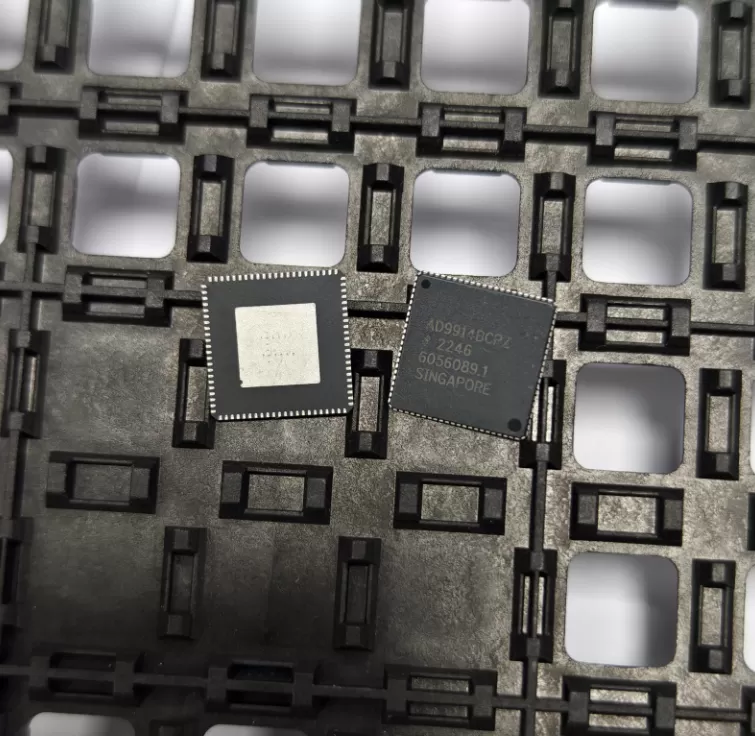
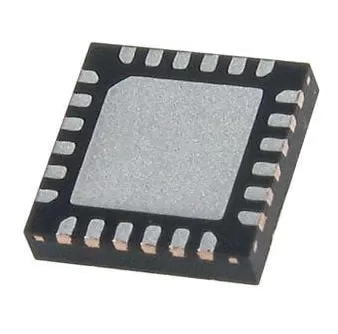
| 3 | 168 hours (7 days) | Most BGAs, QFNs, large QFPs — this is the most common MSL |
| 4 | 72 hours (3 days) | Large BGAs, some CSPs |
| 5 | 48 hours (2 days) | Very large or thin packages |
| 5a | 24 hours | Extremely moisture-sensitive |
| 6 | Mandatory bake before use | Highly sensitive — must be baked immediately before reflow |
The floor life clock starts the moment the moisture barrier bag is opened. It runs continuously — even if the component is placed back in a dry environment. The only way to reset the clock is to bake the component per J-STD-033.
MSL Handling at Superb (J-STD-033)
Component Receiving
Every incoming moisture-sensitive component is inspected: 1. Verify MSL bag integrity — no punctures, tears, or open seals 2. Check HIC (Humidity Indicator Card) — the card inside the bag has dots that change color at specific humidity levels. If the 10% dot is pink, the bag was compromised — component is quarantined for baking. 3. Log into MSL tracking system — component P/N, lot number, MSL rating, floor life, receiving date
Storage
| Storage Type | Environment | For |
|---|---|---|
| Unopened MBB | Ambient, 18-22°C | Sealed moisture barrier bags — shelf life per manufacturer |
| Dry cabinet | <5% rh=""> | Opened MBBs — floor life clock paused while in dry cabinet |
| Ambient | 22 ± 3°C, 45-65% RH | MSL 1-2 components; floor life clock running for higher MSLs |
Production Floor Life Tracking
When a reel is removed from the dry cabinet for production, the clock starts. The MSL tracking system records: - Time out of dry storage - Cumulative exposure time - Alarm when floor life is approaching expiry (typically at 80% of rated floor life) - Automatic flag for baking if floor life is exceeded
Baking Procedure (J-STD-033)
When a component exceeds its floor life, it must be baked to drive out absorbed moisture:
| Package Thickness | Bake Temperature | Duration |
|---|---|---|
| ≤1.4mm | 125°C | 24 hours |
| 1.4mm – 2.0mm | 125°C | 48 hours |
| >2.0mm | 125°C | 96 hours |
Important: Baking degrades solderability. Each bake cycle slightly oxidizes the component leads. A component can typically be baked 2-3 times before the lead finish is too oxidized for reliable soldering. After that, the component is scrapped. This is why we track floor life actively — it's better to prevent expiry than to bake.
What MSL Control Means for Your Boards
When you order PCBA from Superb, you are protected from moisture-induced component damage at every stage:
At receiving: Every MSL component is verified — intact bag, good HIC, logged into tracking.
In storage: MSL 3+ components stored in nitrogen-purged dry cabinets at<5% rh.="">
During kitting: MSL components pulled from dry storage last, immediately before production.
On the production floor: Active tracking of floor life exposure. No expired components are ever placed.
After assembly: If a board fails and needs rework involving reflow, the entire board (including all components) may need baking before rework — our MSL system flags this.
A manufacturer without MSL control is gambling that their components haven't absorbed moisture. A manufacturer with MSL control never has to guess.