
PCB Baking Machine — Moisture Removal & MSL Component Handling
The Hidden Enemy: Moisture
Moisture is the quietest killer in electronics assembly. It's invisible. It's weightless at the quantities that matter. And it's everywhere — absorbed into the epoxy matrix of FR-4 laminates, trapped in the molding compound of IC packages, condensed on bare copper pads during storage.
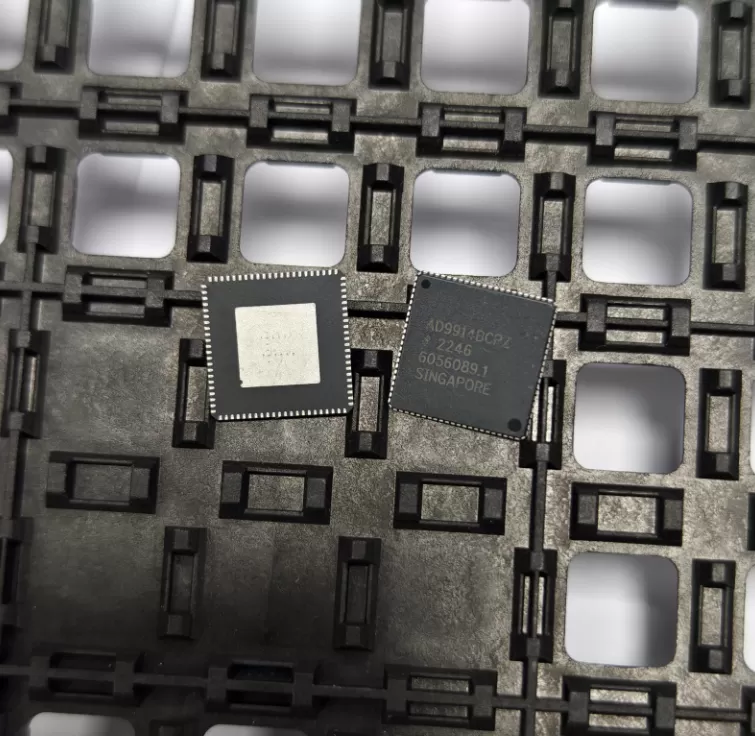
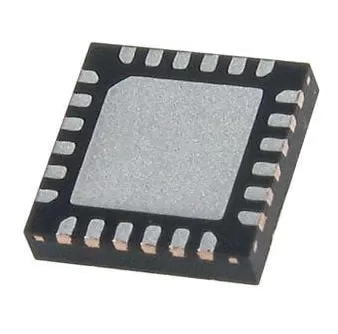
When moisture-saturated material hits reflow temperature (240–260°C), the absorbed water flashes to steam. The volume expansion is approximately 1,700×. That steam pressure has to go somewhere. In a PCB, it delaminates the copper from the prepreg. In a BGA package, it cracks the molding compound — the signature "popcorn" failure. In a QFN, it separates the die-attach paddle from the leadframe.
All of these failures happen in the reflow oven, invisible to the operator, and often pass electrical test. They fail weeks or months later when thermal cycling and mechanical stress propagate the micro-cracks into full separations. The PCB baking machine exists to prevent every one of these failures before the board enters the SMT line.
How PCB Baking Works
Our industrial baking oven operates at a controlled 125°C with forced-air convection, following J-STD-033 guidelines for moisture-sensitive component handling.
| MSL | Package Body Thickness | 125°C Bake Time |
|---|---|---|
| 2a | Any | 4 hours |
| 3 | ≤2.0mm | 7 hours |
| 3 | >2.0mm | 13 hours |
| 4 | ≤2.0mm | 9 hours |
| 4 | >2.0mm | 33 hours |
| 5 | Any | 48 hours |
| 6 | Any | Mandatory bake before use — consult component manufacturer |
For bare PCB baking prior to assembly, standard practice is 4–6 hours at 125°C for 1.6mm FR-4. Thicker boards or high-layer-count designs may require longer durations.
The Oven Design Features
The baking machine is not a repurposed kitchen appliance. It's purpose-built for PCB processing:
Forced-Air Convection — Not Radiant. Heating elements warm the air, and a high-volume blower circulates it uniformly through the chamber. This prevents hot spots that could scorch PCB solder mask or unevenly bake component packages. Temperature uniformity across the chamber is ±3°C.
Precision Temperature Control. The PID controller maintains 125°C ±2°C — the standard baking temperature per J-STD-033. A redundant over-temperature cutoff at 140°C prevents thermal damage to boards and components if the primary controller fails.
Dual-Shelf Capacity. The oven accommodates two adjustable stainless steel racks, each capable of holding multiple PCB panels or component trays. For bare PCBs, maximum board size is 500mm × 400mm per shelf.
Moisture Venting. A controlled exhaust vent allows evaporated moisture to exit the chamber rather than re-condensing on cooler surfaces. Without venting, the chamber becomes a steam sauna — baking time doubles and the process becomes self-defeating.
24-Hour Timer. For overnight bake cycles (common for MSL 4 and 5 components requiring 9-48 hours), the timer starts the oven automatically, runs the programmed duration, and switches to a low-temperature hold (60°C) until an operator unloads.
When Baking Is Mandatory
Not every board needs baking. But these situations make it mandatory:
Moisture-sensitive components exceeding floor life. When a reel of MSL 3 components has been open for more than 168 hours at ambient humidity, or the HIC (Humidity Indicator Card) shows >10% RH, baking is required before placement. The bake time follows the J-STD-033 table above based on package thickness.
Bare PCBs with unknown storage history. If a PCB fabricator's packaging was compromised, or boards have been stored in non-climate-controlled conditions for more than 6 months, pre-baking eliminates the risk of delamination during reflow. Cheap insurance compared to scrapping an assembled board.
Reworked or re-reflowed assemblies. Any board that has been in ambient conditions for more than 8 hours since its last reflow cycle and is about to undergo another thermal cycle (rework or second-pass reflow) should be baked. The heating profile drives moisture deeper into the board structure — the second thermal cycle is riskier than the first.
High-layer-count boards (>12 layers). Thick, complex PCBs have more epoxy mass to absorb moisture and longer paths for moisture to escape during bake. These boards get a minimum 6-hour pre-bake as standard procedure regardless of storage conditions.
What Baking Cannot Fix
Baking removes moisture. It does not reverse delamination, re-bond lifted pads, or restore a board that has already popped during reflow. Once the damage is done, the board is scrap. Pre-bake is preventive, not corrective.
It also does not clean the board. If the board has surface contamination — flux residues from rework, oils from handling, dust from storage — baking may bake those contaminants onto the surface. Clean first, then bake.
For Superb Automation's PCBA line, the baking machine is positioned between incoming material inspection and the SMT line. Every moisture-sensitive reel, tray, and bare board passes through if its storage history warrants it. The cost of baking is measured in hours. The cost of a latent moisture defect is measured in field returns.