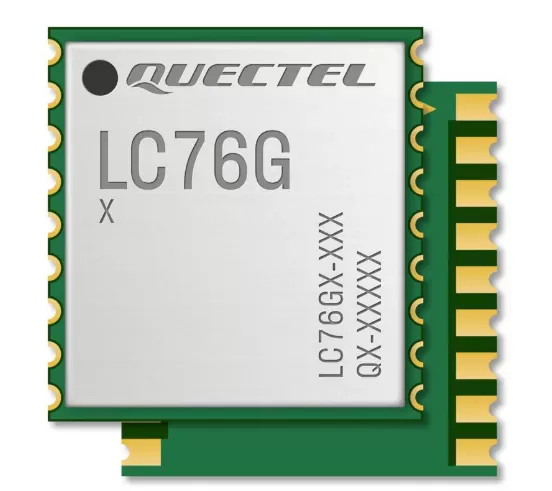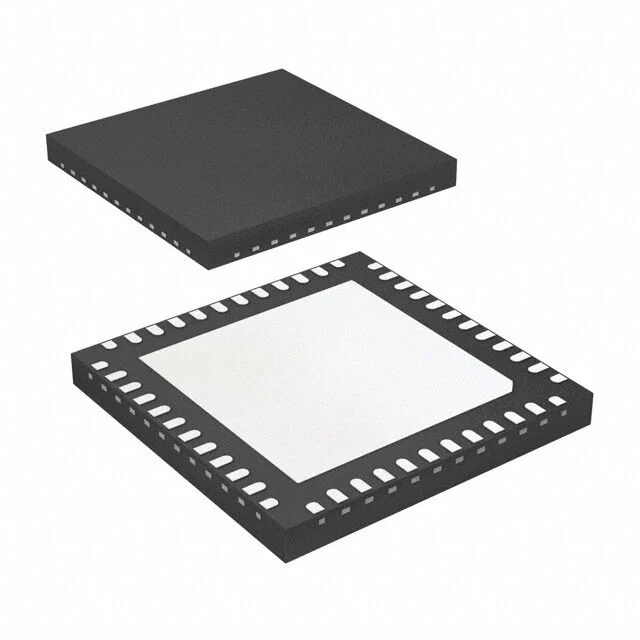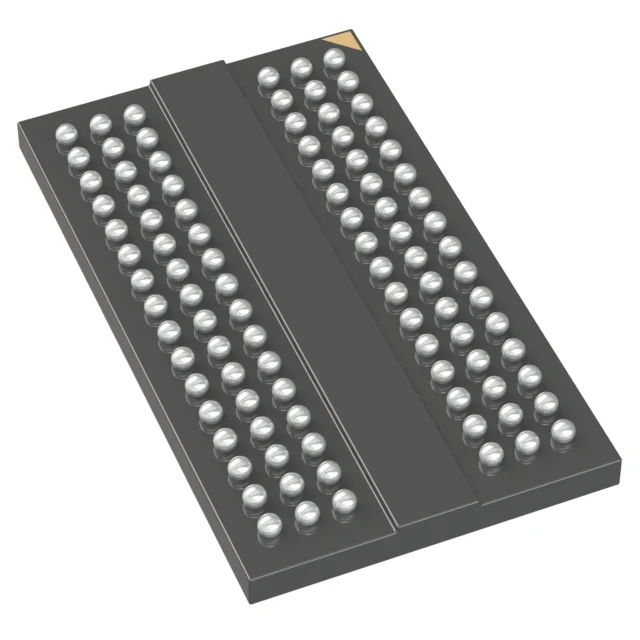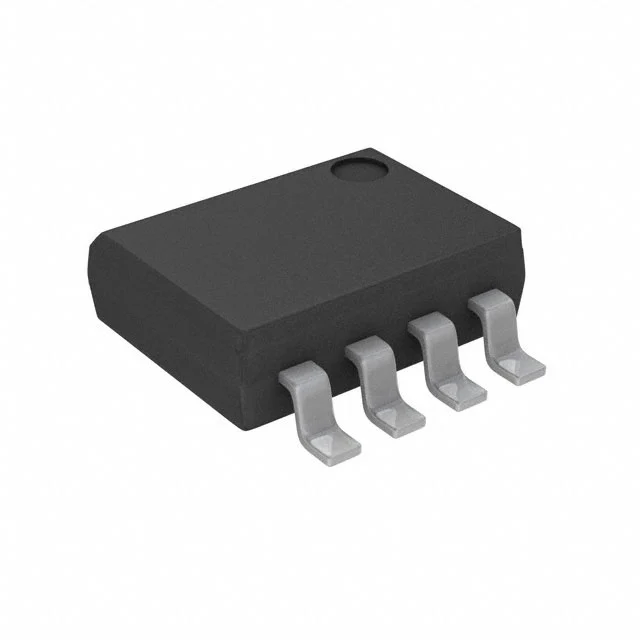

Every second source starts the same way: a line on the BOM is short, someone finds a part with the same footprint and a shorter date, and the question arrives, can we use this instead? If the answer is yes without a qualification file behind it, the risk has moved from the supply chain straight into the product.
Second sourcing is an engineering release, not a purchase decision. Run while supply is normal, it takes a few weeks and buys a schedule lever that lasts the life of the product. This guide covers what a drop-in claim really covers, and what has to be re-tested before an alternative enters a build.
What "drop-in" usually means, and what it does not
The phrase drop-in replacement is used loosely. In practice there are four levels, and only the first is guaranteed by a footprint match.
| Level | What matches | What must still be checked |
|---|---|---|
| 1. Pin compatible | Package, pinout, footprint | Everything else: limits, grade, behaviour, lifecycle |
| 2. Pin and function compatible | Pinout plus basic function | Electrical limits, tolerances, timing, default states |
| 3. Spec compatible | Pinout, function and key parameters | Temperature grade, screening, qualification record, drift |
| 4. Form, fit and function | Board, enclosure and firmware | Lifecycle of the alternative and the documentation trail |
Most substitutions that fail in the field were level 1 substitutes used as if they were level 3. A footprint match says nothing about bandwidth, offset drift, quiescent current, gain flatness or whether the firmware can talk to the part.
The five checks before the alternative reaches the BOM
1. Package and footprint details, not just the package name
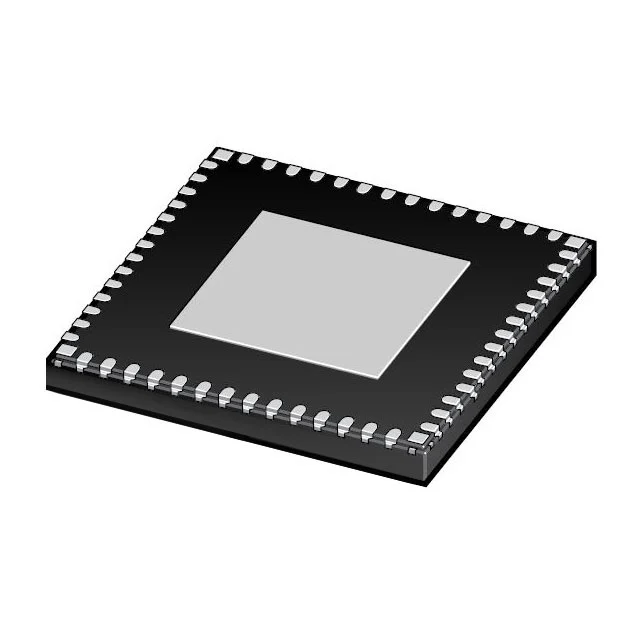
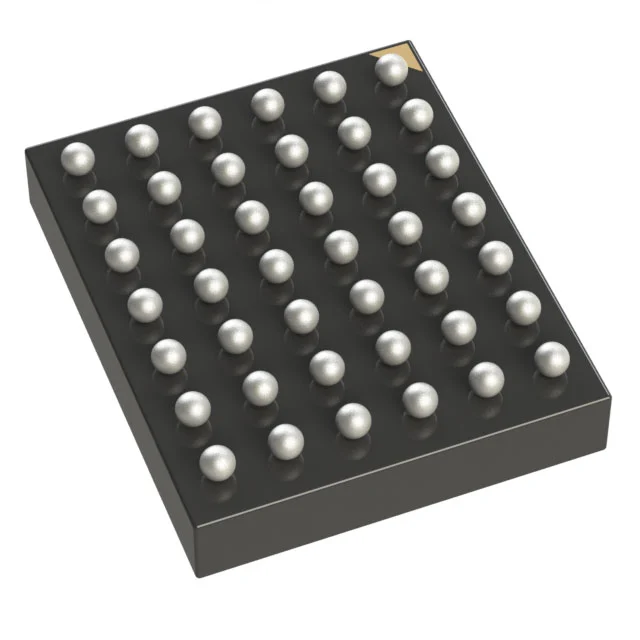
Two parts can share a package code and still differ in body size, exposed pad geometry, thermal pad connection, lead finish, and moisture sensitivity level. A different MSL level changes the floor life and the reflow profile, which matters on a board that has already been qualified with one profile.
2. Electrical limits across the whole operating window
Compare minimum and maximum limits, not typical values. The parameters that cause failures are usually the ones nobody reads first: temperature coefficient, offset voltage drift, input bias current, output drive at temperature, power-up default states, and behaviour at the edges of the supply range.
3. Temperature grade and the qualification record
An industrial grade part is not an automotive grade part, and neither is a screened part for high reliability use. Check the grade, the screening level, and whether the alternative carries the qualification and test record the end product needs, including any report required by the customer or the certifying body.
4. Lifecycle of the alternative itself
The most expensive second source is the one that reaches end of life a year after approval. Check the lifecycle status of the alternative, register for product change and end-of-life notices on the exact orderable code, and confirm that the code you approve is the code you will buy. A suffix can change temperature grade, packing or screening without changing the base part number.
5. Traceability and documentation on the stock itself
A datasheet comparison qualifies a part number, not a reel. Verify date codes, lot codes, packaging at magnification, and the paperwork that travels with the shipment. Where the risk profile or the customer requirement justifies it, add X-ray for internal die and lead-frame consistency, decapsulation, and electrical test against datasheet limits. Stock that cannot be verified belongs in engineering evaluation, not in a shipping build.
What has to be re-tested on the assembled board
- Functional test at operating limits. Run the production test at the corners of the temperature and supply range, not at room temperature only.
- The parameters the alternative moves. If offset, settling time, gain or current draw shifted, measure the system behaviour that depends on them.
- RF and analog chains. Matching networks tolerate small parameter shifts badly. Check gain, return loss and error vector magnitude where the part sits in a signal chain.
- Production test limits. If the alternative sits closer to a test limit, either widen the limit with justification or accept a higher fall-out. Windows that were set around one part often need a review.
- Process compatibility. Reflow profile for a different MSL level, paste and cleaning compatibility, and any change to inspection criteria.
What the qualification file should contain
A second source is only usable if the next engineer can see why it was approved. The file that supports an approval normally holds a side by side comparison of the two parts, the operating conditions tested, the measured results, a note of any deviation from the original specification, and the approval record. For products under certification, the change also has to reach the customer or the notified body as a documented change, not as a quiet substitution.
How SUPERB Assembly supports a second-source programme
Superb Automation has supplied components and PCB assembly since 2000, and alternates are handled as an engineering task rather than a purchasing workaround. A BOM review marks the single-source lines before they become a problem, so the candidate alternates can be found and checked while there is still time to test them.
Where a pin-compatible or functionally equivalent option exists, the comparison is prepared against the original specification, samples are provided for bench work and pre-production runs, and the qualification evidence sits with the build record. Incoming material is inspected before it reaches the line, with X-ray and decapsulation used where the risk of the part justifies it. Because PCB support, assembly and box build run inside the same flow, a substitution is validated at board level in the same test sequence the production build will use.
- Component sourcing and supply: BOM review, single-source flags and alternate options.
- Verifying original components: authenticating stock before it enters a build.
- Component inspection and counterfeit detection: the checks behind the documents.
- RF and microwave devices: the category where small parameter shifts cost the most.
Frequently asked questions
Is a pin-compatible part enough to switch without testing?
Only for engineering evaluation. Production needs a documented comparison, a check of the parameters that changed, and a functional pass on the assembled board before the alternates go into a build.
How long does a second-source qualification take?
Weeks, not months, when the alternative is in a catalogue and samples are available. Most of that time is bench work and documentation.
Can a second source be qualified for just one production lot?
Yes, and it should be labelled as such. A lot-specific approval keeps a build moving without turning the alternative into a permanent approved part. The approval record has to state the quantity and the lot it covers.
Do you supply samples before the production order?
Yes. Sample quantities are arranged for evaluation so the bench work and pre-production run can start before the full buy is placed.
Next step
Send the BOM and mark the lines that are single source, long lead time, or already short. Candidate alternates come back with a comparison against the original specification, availability, and the sample quantity needed to run the qualification. Where the alternative moves a parameter that affects the board, the re-test list is confirmed with the build plan rather than left to the assembly line.