

A shortage almost never stops a whole BOM; it stops one line. Ninety nine parts arrive, one allocation notice lands on the part that sits in the critical path, and the build date moves for a reason that has nothing to do with the board. Recovery is a triage job: work out which lines actually block the build, cover those first, and keep the rest of the purchase order moving.
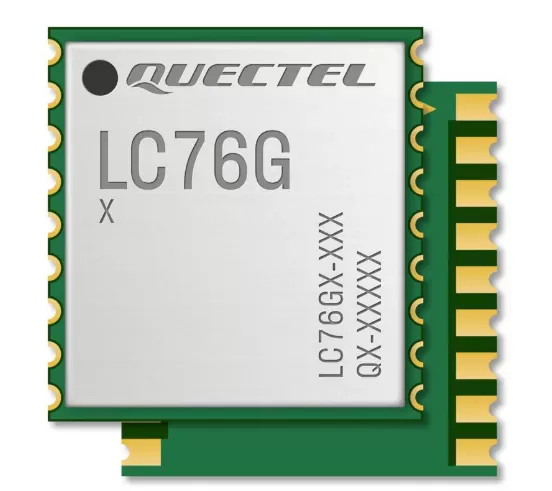
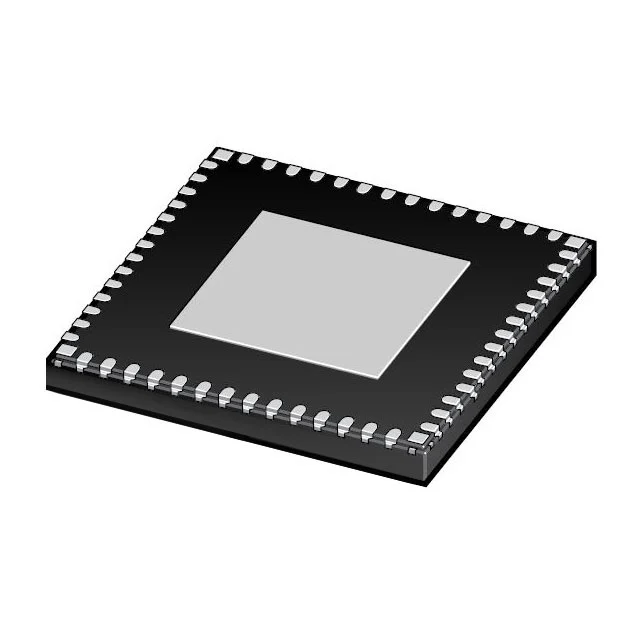
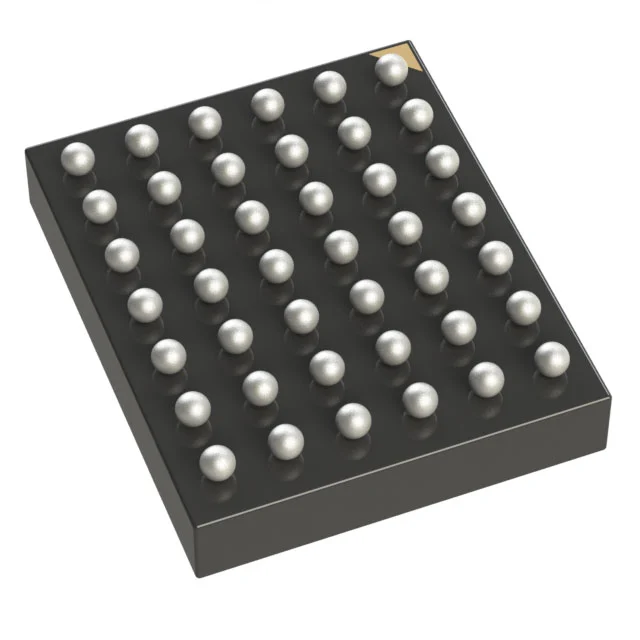
On RF and control boards the blocked line is usually the one with the least room to manoeuvre, a synthesizer, an RF power device, an MCU in a specific package, or a memory part that only one supplier still builds. This guide covers the recovery sequence SUPERB PCBA runs with customers, and the trade-offs behind each option.
Start with the real shortage list, not the whole BOM
Before anything is quoted, the shortage has to be separated from the noise. Three questions settle it. Is the part genuinely short, or is it in a warehouse and simply not released to the build? Is the shortfall for the full build quantity or for the first shipment? And is the line on the critical path, or can the board be built and the part added later in the process?
That triage usually reduces a forty line problem to five or six lines that matter. The remaining lines can be covered on normal lead time without paying a premium, which keeps the recovery budget for the parts that genuinely control the schedule.
Recovery options and what each one really costs
The table covers the options in the order they are usually tried. Speed and cost move in opposite directions, and the last option on the list is the one that should be decided by the customer rather than by the supply chain.
| Recovery action | What it does | Speed | Trade-off to manage |
|---|---|---|---|
| Expedite at the original source | Pulls the part forward from the supplier or an approved stock position | Days to weeks | Premium price, partial quantity, no effect if the part is allocated |
| Reallocate across builds | Moves stock from a later build to the one that is short | Immediate | Only shifts the problem to the next build unless a replacement order is placed |
| Qualified alternate part | Uses an approved second source for the short line | Days, if it was qualified in advance | Needs parameter review and written approval; can trigger a customer notification |
| Verified excess or open market lot | Finds the same part number outside the normal channel | Days | Full verification required; price and date code vary; risk sits with the buyer |
| Partial build and split shipment | Ships what can be built while the short line is covered | Immediate | Extra handling and freight, and the customer must accept a split delivery |
| Reschedule the build | Moves the delivery date to match the real lead time | Not a recovery, a decision | Downstream commitments move with it; best made early and in writing |
Two of these carry hidden work. A qualified alternate only helps if the qualification was done before the shortage; trying to qualify a part under schedule pressure is how unverified substitutions reach production. An open market lot only helps if the verification is real, because a re-marked part costs far more than a delayed build once it reaches a customer.
How SUPERB PCBA runs a shortage recovery
Send the BOM as CSV or Excel with quantities and the build date, and mark the lines that are short. The reply comes back line by line: what can ship from stock, what can be covered from a verified excess lot with a known date code, what needs a cross reference part, and what has to move to a later date. Where a cross reference is possible, the proposal names the parameter differences so your engineering team can accept or refuse it. Nothing is substituted without written approval, and verified lots keep a 730 day warranty, with date code and lot traceability on the paperwork.
Recovery also includes the board side, which is often where the schedule is actually lost. Boards are supported from 500 MHz to 77 GHz with lines down to 0.05/0.05 mm and up to 68 layers, impedance to plus or minus 5 percent, and Rogers RO4003C, RO4350B plus Taconic RF-35 and TLY-5 laminates available through established supply channels. SUPERB Assembly handles the build with fine pitch SMT down to 01005, 3D AOI and X-ray in 2D and CT mode, X-ray voiding under 5 percent, under IPC-A-610 Class 2 and Class 3, ISO 9001, and ISO 13485 for medical work.
A split delivery only works if the test sequence allows it, so the partial build decision is made with the test plan in view rather than after the boards are assembled. SUPERB Tech keeps one shortage list per build, updated as lines clear, so the schedule conversation refers to the same numbers on both sides.
Background reading: the component sourcing and supply overview, how supply chains and channels differ, BOM cost optimisation, and the RF and microwave device range.
Shortage recovery questions
Should an alternate part be approved before the shortage?
Yes, whenever the program allows it. An approved second source turns a crisis into a purchase order, while an unapproved one turns it into an engineering decision made against a delivery date.
How do you avoid counterfeit parts during a shortage?
Shortage markets attract re-marked material, so verification is not optional: X-ray reel counting, package and die level inspection where the risk justifies it, date code and lot checks, and full traceability. Parts that fail are not offered as an option.
Can the board build start without the short line?
Sometimes. If the short part is loaded at the end of the process, a partial build can run and the part can be added when it arrives. If it is loaded early or needs a functional test that depends on it, a split delivery usually costs more than it saves.
What information speeds up the first reply?
The BOM with quantities, the build date, the customer commitment date, and a note on which lines are critical. Target price and preferred brands help as well, because they rule out options that would never be approved.
Next step
Send the BOM and the build date, with the short lines marked. You get a line by line recovery list: quantity that can ship now, verified stock options, cross reference proposals with their differences, and the lines that need a schedule decision from your side.