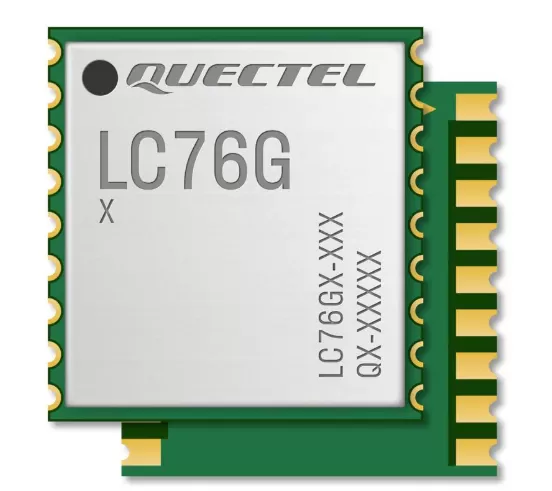
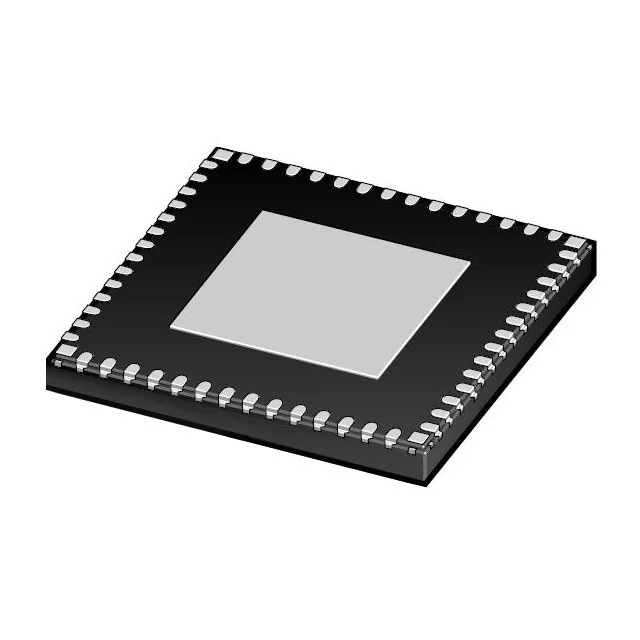
A defense program buys components against a specification that has to hold for fifteen years, and the part that arrives has to be the part that was qualified. The hard part is rarely the datasheet. It is proving that a reel came from the lot the specification was written against, that the marking is the one the original maker applied, and that the part can still be bought in year eight.
Defense grade component supply is therefore a documentation exercise as much as a purchasing one. A part number, a date code and a certificate of conformance are the minimum. The rest is incoming inspection, screening evidence and a record that survives an audit two years later.
Where defense grade component purchases go wrong
Traceability gaps come first. A part offered below the market price usually has a short chain behind it: no lot number, no original packing, a label printed by the seller rather than the maker. Once the chain is broken it cannot be rebuilt, and a program that needs a lot to recall has nothing to recall.
Re marking is the second problem. Recycled, refurbished and copied parts are cleaned, re tinned and printed to look new. Date codes that do not match the packing, mixed codes inside one reel and a finish brighter than the maker uses are the usual signs, and they are only visible under inspection.
Temperature grade substitution is the third. An industrial part with a wide operating range is not a screened part: the difference is the test data at the temperature extremes, the drift over that range and the record that shows both. A BOM that accepts the substitution without the data has quietly changed the qualification.
Obsolescence is the fourth, and it is a schedule risk. A program with a fifteen year life outlives several generations of silicon, and a last time buy decided late costs more than one decided early, because the quantity has to cover the remaining build plus attrition and test spares.
The checks that decide a defense grade component purchase
| Check | Why it decides the outcome | What a weak purchase looks like |
|---|---|---|
| Traceability chain | Links the lot to the maker and to the qualified specification | Part number only, no lot and no original packing |
| Authenticity inspection | Marking, finish and package geometry expose re marking | Visual check by the seller, no inspection record |
| Temperature grade and data | The extremes and the drift are what the grade means | Industrial part accepted for the full range |
| Screening evidence | Conditions, sample size and read points decide the value | Certificate without conditions or data |
| Date code and shelf life | Aged stock changes solderability and moisture level | One date code quoted, reel not checked |
| Package and moisture level | MSL and baking decide whether reflow damages the part | Parts shipped in unsealed bags |
| Obsolescence and last time buy | The remaining life has to cover the remaining build | Lifecycle status not checked at award |
| Export classification | Decides whether the lot can ship at all | Classification left to the forwarder |
| Change notification | A silicon revision can invalidate a qualified board | No route from the maker to your quality team |
| Warranty and lot hold | Decides what happens when one board fails in test | No retained samples from the same lot |
How SUPERB PCBA supports defense grade component supply
Send the BOM with the qualified part numbers, the specification each part was qualified to, the temperature range, the screening level the program needs and the remaining build quantity. The reply marks every line as one of four states: available from a traceable lot, available after incoming inspection, needs written approval for an alternative, or not available with a route and a date. Nothing moves on a verbal answer.
The board side of the same programs sits under the defense radar PCBA family, with the electronic warfare case covered on the electronic warfare defense radar PCB page. Where a qualified part is already end of life, the routes are collected in the obsolete part cross reference hub, so the last time buy and the alternative are decided together rather than one after the other.
Provenance is checked before the lot is offered. Reels are counted by X-ray, markings and date codes are inspected against the maker records, X-ray fluorescence is used on finishes where plating is in question, and aged stock gets a solderability check before it is quoted. Decapsulation is used where the risk justifies it. Verified lots carry a 730 day warranty, and a substitution only enters the BOM after written approval from your side.
Proving a lot before it reaches the line
Incoming inspection answers one question: is this the part the program qualified. It does not answer whether the assembled board still meets its specification, and that is proved on the board. First article inspection runs against released data, 3D SPI checks the paste before reflow, 3D AOI checks it after, X-ray runs in 2D and CT mode with voiding below 5 percent, and functional test runs on a fixture approved by your team at the temperature corners the unit sees.
SUPERB Assembly builds and tests those boards under IPC-A-610 Class 2 and Class 3, ISO 9001, with placement down to 01005, boards supported from 500 MHz to 77 GHz, impedance held to plus or minus 5 percent and to plus or minus 2 percent where the circuit needs it, up to 68 layers, and every build recorded against its own lot number so a field return is traced back to the parts that went into it.
SUPERB Tech keeps the inspection record, the test data and the lot mapping together, because a defense program is audited on the record rather than on the sample.
Defense grade component questions
Is an industrial part with a wide temperature range a defense grade part?
No. The grade is the screened data at the extremes, not the operating range printed on the first page. Without the data the substitution is a change to the qualification and it needs approval as one.
Can a part with a broken traceability chain be used?
Only when the inspection is strong enough to carry it and your quality team accepts the risk in writing. For a program with a recall obligation the honest answer is usually no.
How is obsolescence handled in the middle of a program?
With a last time buy quantity that covers remaining builds plus attrition and test spares, storage that protects the parts, and a qualified alternative developed before the stock runs out rather than after.
What documentation comes with a lot?
Lot number, date code, quantity verification, inspection report, certificate of conformance and the classification data. Every item is checked against the purchase order before the lot is released to the line.
Next step
Send the BOM with the qualified part numbers, the temperature and screening requirements, the remaining build quantity and the date the line needs parts. You get every line marked with its state, the inspection each lot will go through, the lifecycle position of the part and the last time buy quantity where one is needed.