

BLOG

برای هر شماره سریال در PCBA پزشکی چه چیزی باید ثبت شود؟
هفت رکوردی که برای هر شماره سریال در PCBA پزشکی باید ثبت شود، عدد نگهداری مدارک در ISO 13485، و سه اشتباهی که دامنه بازفراخوان و شکایت را بزرگ میکند.
What Does IPC-A-610 Class 3 Change on a QFN Inspection?
Class 3 withdraws the process indicator allowances that Class 2 leaves open on a QFN and turns the thermal pad joint into something you prove, not look at.
What Makes a GaN SSPA Low Maintenance in the Field?
A GaN SSPA stays low maintenance when bias sequencing, thermal derating and module granularity are set at build. Here is what still fails in the field.
¿Cuándo pasar de prototipo a línea SMT?
El paso de prototipo a línea SMT depende del volumen, del número de componentes y del paso fino. Regla práctica, costos y errores típicos del primer lote.
When Is Back-Drilling Worth It on a High-Speed Backplane?
Back-drilling pays when the via stub resonates near your Nyquist frequency. Stub length maths, cost per drill pass, and three spec mistakes that waste it.
What Does IATF 16949 Add to a PCBA Build?
IATF 16949 adds PPAP, control plans, Cpk targets and change notification to a PCBA build. Here is what the auditor asks for and where builds fall short.
چگونه قطعات تقلبی را قبل از مونتاژ تشخیص دهیم؟
روش شناسایی قطعات تقلبی قبل از مونتاژ: نشانههای ظاهری قطعه بازیافتی، پنج آزمون روی نمونه، سه اشتباه رایج در بازرسی ورودی و ردیابی lot تا شماره سریال محصول.
What Fails First at a Rigid-Flex Bend Radius?
At a rigid-flex bend the inner copper cracks first. Why strain follows foil thickness over radius, the failure order after it, and the three drawing errors.
Which Test Plan Pays Back at 500 Boards?
Flying probe wins at 500 boards a year, ICT usually wins at 500 a month. The arithmetic behind that, and the three test plan mistakes that hide the cost.
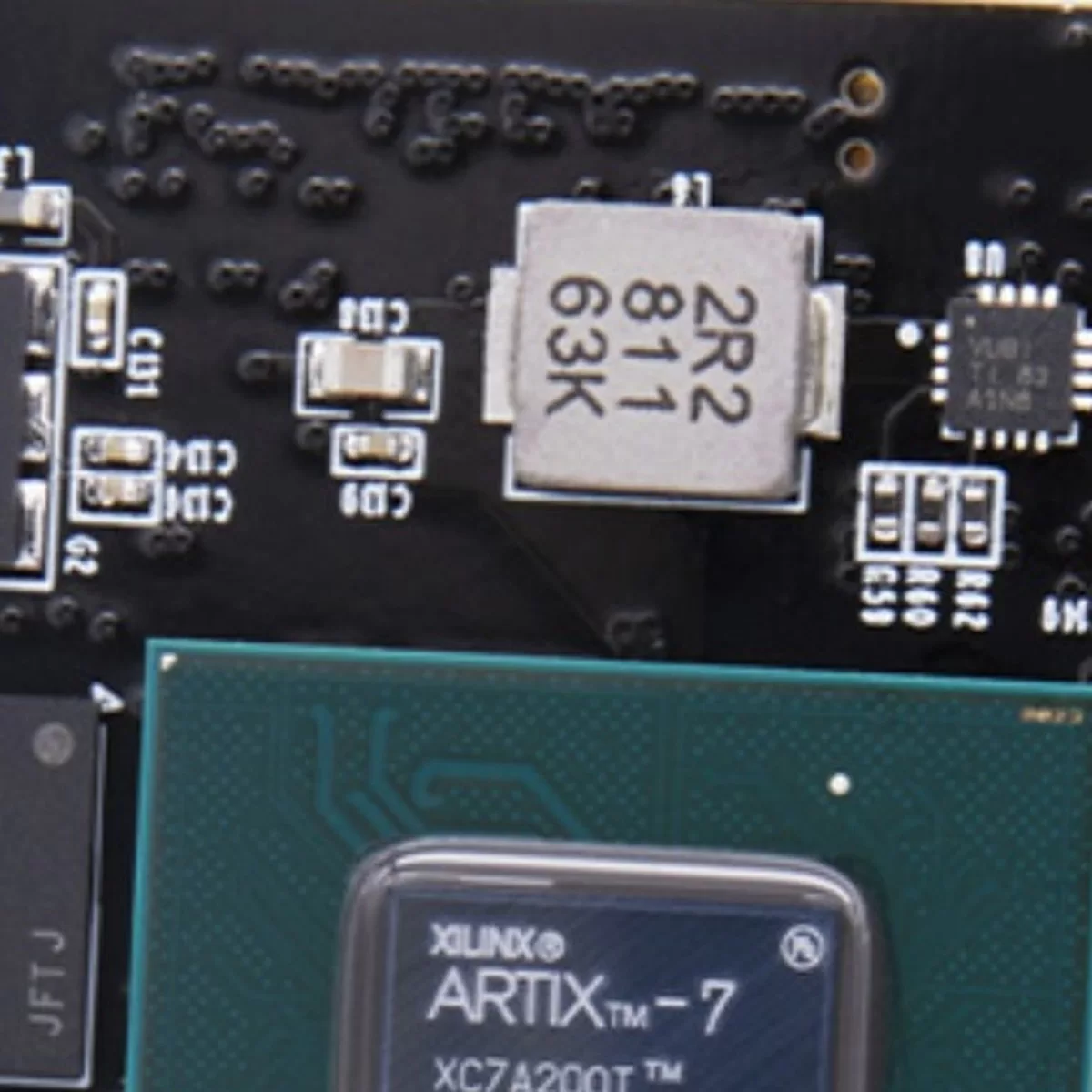
مدیریت منسوخ شدن قطعات در تولید PCBA
چطور قطعات منسوخ را قبل از توقف خط شناسایی کنیم: نشانههای هشدار، اشتباههای رایج و سه مسیر تأییدشده برای ادامه تولید.
¿Por qué un radar de 60 GHz necesita control de impedancia?
Por qué el control de impedancia decide el alcance de un radar de 60 GHz: material, stack-up, vías de masa, acabado y verificación por lote.