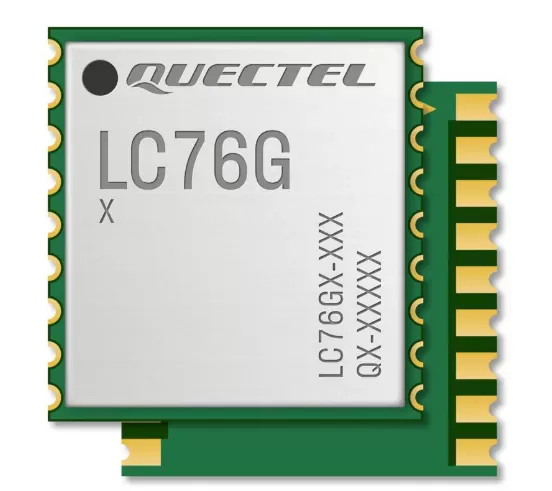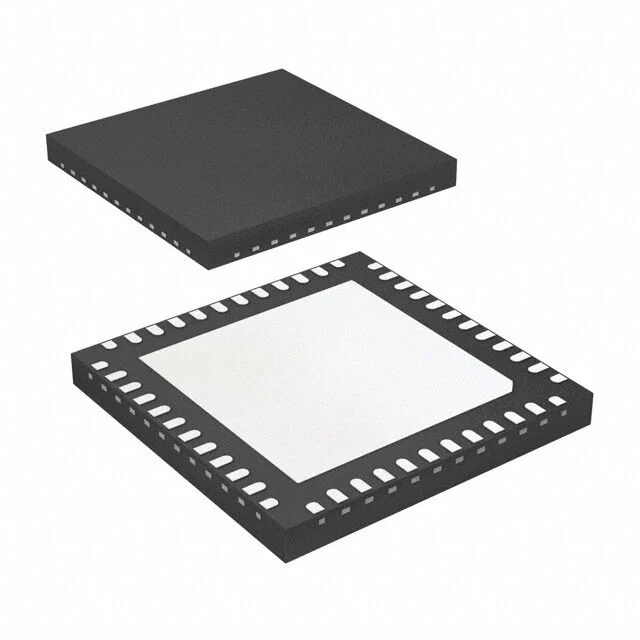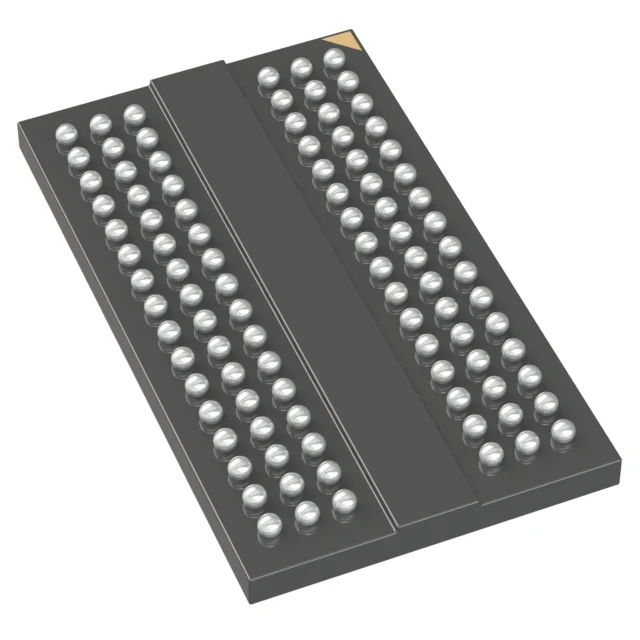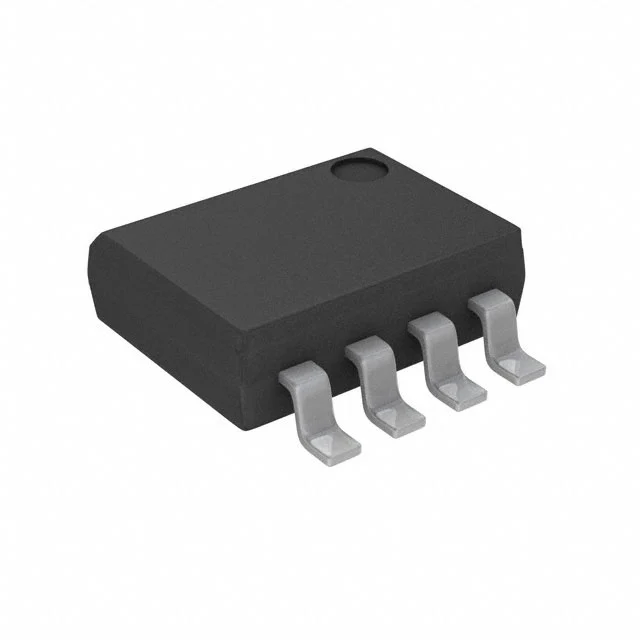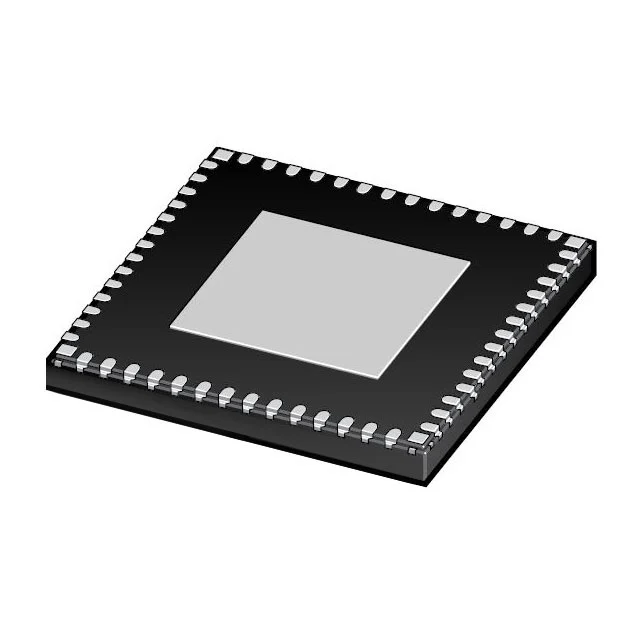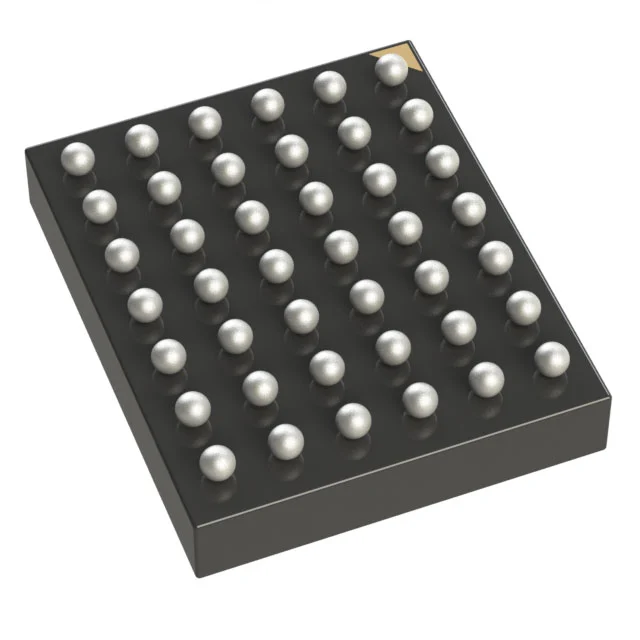

A reel opened on Friday and left on a shelf until Monday looks unchanged. Inside the package the plastic has taken up water from the air, and when the board hits reflow that water turns to steam faster than it can leave. The result is a crack that starts at the die paddle, travels through the moulding compound, and shows up months later as a field return rather than a rework ticket.
Moisture control is therefore a schedule problem, not a storage problem. It is decided by the moisture sensitivity level on the label, the time the part spends outside the bag, and the bake that resets the clock.
What the MSL number measures
The moisture sensitivity level describes how long a package can sit in open air after the bag is opened, at 30 degrees C and 60 percent relative humidity, before it needs baking. The level is set by package thickness, die attach, moulding compound and the reflow peak the part will see.
| Level | Floor life after the bag is opened | Where it appears |
|---|---|---|
| MSL 1 | No limit, 30 degrees C at 85 percent RH | Small thin packages, sealed modules |
| MSL 2 | 1 year at 30 degrees C and 60 percent RH | Most passives and small ICs |
| MSL 2a | 4 weeks | Thin fine pitch packages |
| MSL 3 | 168 hours | Common QFN, BGA and power packages |
| MSL 4 | 72 hours | Large body BGA, stacked die |
| MSL 5 and 5a | 48 and 24 hours | Very thin, large area packages |
| MSL 6 | Time on the label, bake before use | Bare die assemblies and special cases |
A board that mixes MSL 1 passives with MSL 3 BGAs runs on the tightest clock on the BOM, and the BGA is the part nobody checks.
Reading the bag, the card and the label
A dry pack is a moisture barrier bag, desiccant and a humidity indicator card. The card has spots that turn from blue or brown to pink as humidity rises, usually at 10, 20 and 30 percent, and the label states the MSL, the floor life, the bag seal date and the maximum reflow temperature. Three checks belong at goods in:
- The card: if the 10 percent spot has turned, the bag has leaked and the parts need baking before use, whatever the label says.
- The date: floor life starts when the bag is opened, not when the part was made, but a bag sealed two years ago still has to be assessed against the supplier shelf life.
- The label: MSL, peak temperature and the body thickness, because the bake schedule depends on all three.
Once opened, the parts go into a dry cabinet and the time out of the bag is written down. A cabinet at 10 percent RH or below holds them without consuming floor life, but the clock restarts the moment they come out.
Baking: time, temperature and the limits that matter
Baking drives the absorbed water out. Higher temperature works faster, but the carrier caps it: tape and reel and most tubes are rated well below 125 degrees C, so a reel that needs a high temperature bake is re-reeled onto trays first.
Typical starting points, which still have to be confirmed against the current J-STD-033 table and the part datasheet:
| Bake temperature | Body thickness | Typical duration | Notes |
|---|---|---|---|
| 125 degrees C | Up to 1.4 mm | About 24 hours | Trays only, parts must tolerate the temperature |
| 125 degrees C | 1.4 to 2.0 mm | About 48 hours | Same carrier limit |
| 125 degrees C | Over 2.0 mm | 96 hours and up | Confirm with the supplier |
| 90 degrees C, low humidity | Any | Two to three times longer | For parts or carriers limited to lower heat |
| 40 degrees C at 5 percent RH | Any | Weeks, not hours | Last resort for temperature sensitive parts |
Baking also resets floor life only for the period stated in the standard, and most suppliers limit how many bake cycles a part may take, commonly three to five. Beyond that the finish has oxidised enough that solderability, not moisture, becomes the failure mode.
Where baking does damage
Every bake is a thermal cycle on the finish. Tin plated leads grow intermetallic at the plating interface, and a part baked repeatedly at 125 degrees C can pass a moisture check and still fail wetting. Gold finishes tolerate it better, OSP coated parts do not.
The rule is to bake once, correctly, rather than three times conveniently: keep parts in a cabinet until the kit is complete, and open the BGA when the line is ready for it.
Control on the assembly line
The line side of the problem is time, and time is managed with a traveller: the MSL of each sensitive part, when the bag was opened, the time in the cabinet and the bake record. Reflow then stays inside the supplier window, with a soak long enough to drive off surface moisture.
How SUPERB Assembly handles moisture
Incoming moisture sensitive parts are checked against the humidity card and the bag label before they are booked in, and anything that fails goes to a 125 degrees C bake under J-STD-033 before kitting. Parts in use sit in dry storage, and the open time is recorded on the traveller so a second shift can see how much floor life is left.
Reflow runs on a twelve zone oven with a SAC305 profile and nitrogen below 500 ppm, after 3D SPI and before 3D AOI, with X-ray and CT available for BGA void review. Workmanship is IPC-A-610 Class 2 or 3 per the drawing, and the quality system is ISO 9001, with ISO 13485 for medical builds.
- PCBA workshop: lines, ovens, inspection stations and dry storage.
- PCB testing: the checks that run before and after reflow.
- AOI and X-ray: which defect each method can actually see.
Frequently asked questions
Can a reel be baked at 125 degrees C?
Usually not. Most tape and reel carriers are rated between 40 and 65 degrees C, so a 125 degrees C bake deforms the pockets and loses cover tape adhesion. The parts are re-reeled onto heat resistant trays first.
Does baking undo the damage from a part that already absorbed water?
It removes the water, so a part that has only been exposed can be recovered. It does not undo oxidation or intermetallic growth from earlier bakes, and it does not change the MSL. A part that has taken on water and been baked several times is a solderability risk even when the moisture reading is clean.
Is MSL 3 safe over a weekend?
MSL 3 gives 168 hours of floor life at 30 degrees C and 60 percent RH, which covers a weekend on paper. It does not cover a weekend on an open shelf in a humid month, and it does not cover the same parts going back on the line the following week without a cabinet.
Next step
Send the BOM with the MSL column, the package list and the build plan. The reply flags the parts that need dry storage, the ones that cannot be baked on their carrier, and the point in the schedule where the floor life runs out before the boards do.