
Microwave Technology in Defense Systems
Microwave technology forms the physical foundation of every radar, electronic warfare, and communication system deployed in modern defense applications. Operating across frequencies from roughly 300 MHz to 300 GHz, microwave components and subsystems must simultaneously deliver high power, low noise, wide bandwidth, and extreme reliability — often in harsh environmental conditions where failure is not an option. This article surveys the key technologies and design approaches that define state-of-the-art defense microwave systems.
Semiconductor Technologies for Defense Microwave
The evolution of microwave semiconductor technology has been the primary driver of defense system capability. Gallium arsenide (GaAs) pseudomorphic high-electron-mobility transistors (pHEMTs) and monolithic microwave integrated circuits (MMICs) dominated defense applications for decades, offering excellent noise figure and reasonable power density. However, the emergence of gallium nitride (GaN) high-electron-mobility transistors has fundamentally changed the landscape.
GaN-on-silicon-carbide (SiC) technology delivers power densities of 5–8 W/mm of gate periphery — roughly five to ten times that of GaAs — while operating at higher voltages and temperatures. This power density translates directly into smaller, lighter transmit modules with higher efficiency. For active electronically scanned array (AESA) radars, where thousands of transmit/receive elements must fit within a constrained aperture, GaN's advantages are transformative. Modern X-band GaN MMICs routinely deliver 25–50 W output power per chip with power-added efficiency exceeding 40%.
Low-Noise Receiver Design
On the receive side, sensitivity is paramount. The low-noise amplifier (LNA) sets the receiver noise figure and must provide sufficient gain to overcome subsequent stage noise contributions while maintaining linearity to avoid intermodulation distortion in the presence of strong interferers or jammers. Indium phosphide (InP) HEMT technology achieves noise figures below 0.5 dB at Ka-band, while advanced GaAs pHEMTs offer compelling cost-performance trade-offs at lower frequencies. Cryogenic cooling, while impractical for most tactical systems, pushes noise temperatures below 10 K for strategic early-warning radars.
Limiter protection is essential in defense receivers, where high-power jamming or friendly emitters can deliver damaging power levels. PIN diode and Schottky diode limiters provide nanosecond-scale response to protect sensitive LNA inputs, while advanced gallium nitride limiter technology offers higher power handling with lower insertion loss.
Microwave Substrates and Packaging
At microwave frequencies, the physical substrate carrying the circuits becomes an integral part of the design. Soft substrates such as PTFE-based laminates (Rogers RT/duroid, Taconic) offer low loss tangent and stable dielectric constant for printed circuit implementations up to millimeter-wave frequencies. Hard substrates — alumina, aluminum nitride, and low-temperature co-fired ceramic (LTCC) — provide superior thermal conductivity and enable multilayer structures with embedded passives. The choice of substrate directly impacts insertion loss, thermal management, and manufacturing yield.
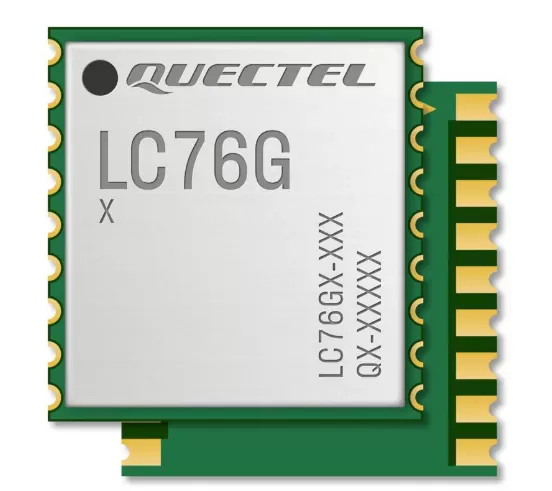
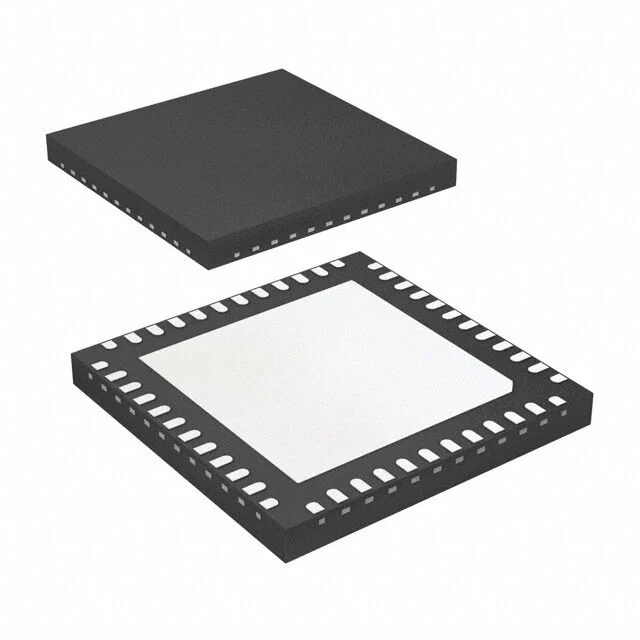
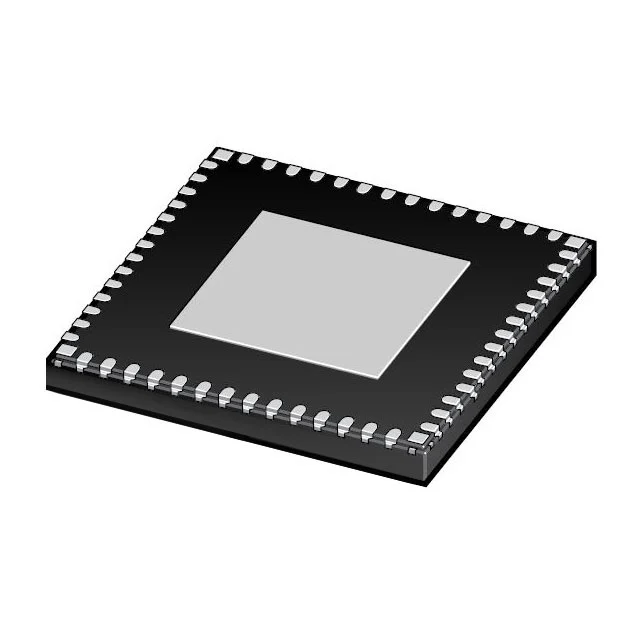
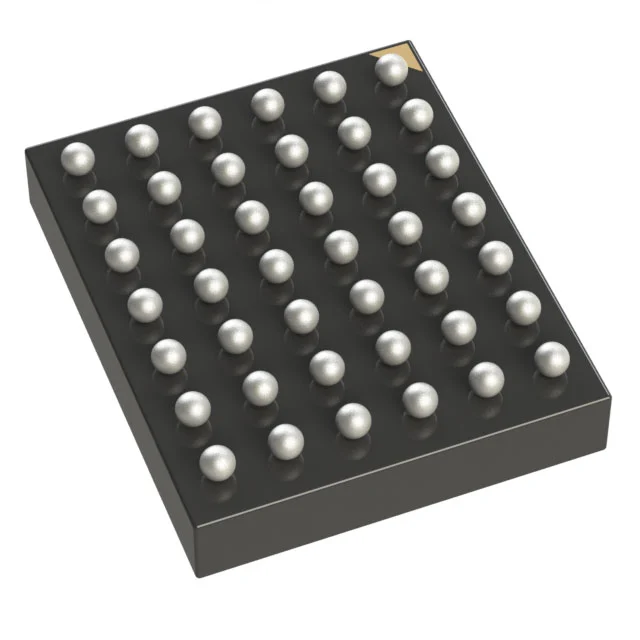
Packaging technology has evolved from hermetic metal packages to near-hermetic surface-mount solutions using liquid crystal polymer (LCP) and advanced molding compounds. Wafer-level packaging and flip-chip interconnect eliminate wire-bond parasitics that degrade performance above 20 GHz, enabling chip-scale modules with excellent RF performance and high manufacturing throughput.
System-Level Integration
Defense microwave systems face integration challenges beyond those of commercial wireless. Wide instantaneous bandwidths (often exceeding 1 GHz) require flat gain and group delay across the operating band. Thermal management is critical — densely packed transmit modules in AESA arrays generate kilowatts of heat that must be efficiently removed to maintain junction temperatures within reliability limits. Electromagnetic compatibility (EMC) demands careful shielding, filtering, and grounding to prevent self-interference and ensure secure operation.
The trend toward digital beamforming at the element level is pushing microwave front-ends toward ever-greater integration, with complete transceivers on a single chip spanning from baseband to antenna. As frequencies push into the millimeter-wave regime for high-resolution imaging and wideband communications, the boundaries between microwave, digital, and antenna technologies continue to blur, creating both challenges and opportunities for the next generation of defense systems.