
PCBA Processing and Assembly Requirements for Effective Thermal Shock Testing
Thermal shock testing subjects printed circuit board assemblies to extreme, rapid temperature transitions to uncover latent defects that gradual temperature cycling might miss. This test is especially critical for products destined for environments with sudden climatic changes, such as automotive electronics moving from a cold start into a hot engine bay, or outdoor equipment facing sun exposure followed by rapid cooling. Unlike standard high-low temperature cycling, thermal shock testing focuses on the mechanical stress induced by the rapid temperature change itself. Successful execution requires specific considerations during the PCBA design, component selection, and assembly process to ensure the board survives the test and that the results are valid indicators of field reliability.
Design for Mechanical Stress Resilience
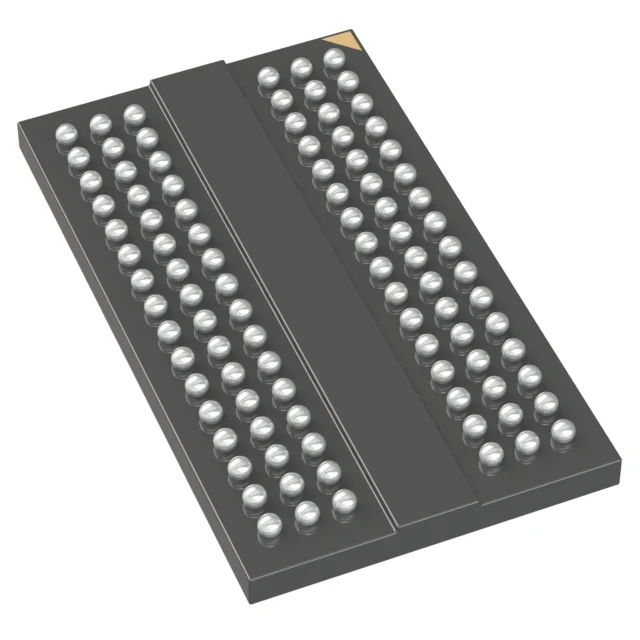
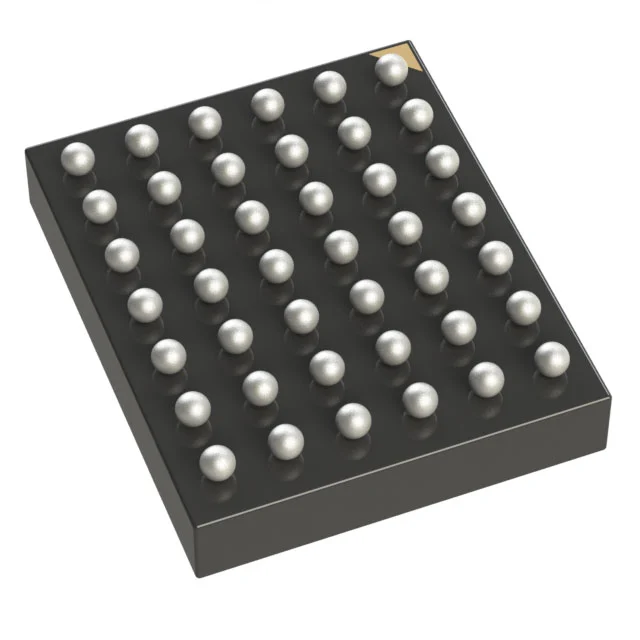
The abrupt expansion and contraction of materials during thermal shock place immense mechanical stress on solder joints, component bodies, and the PCB laminate. To mitigate this, the board layout must avoid creating severe CTE (Coefficient of Thermal Expansion) mismatches. This involves strategic placement of large components like connectors and electrolytic capacitors; they should not be clustered in one area, as their collective stress can warp the local board area and crack nearby joints. The use of a balanced, symmetrical stack-up for multilayer boards is crucial to prevent warping. For BGAs and other area-array packages, the solder ball alloy and PCB pad finish should be selected for compatibility and ductility to absorb stress, and corner pads may be reinforced with filled vias. Strain relief features, such as anchor points for large components or flexible cable connections, should be incorporated to prevent stress from concentrating at solder terminations.
Material and Process Compatibility
Every material in the PCBA must be evaluated for its performance under rapid thermal transients. The choice of PCB substrate is foundational; high-Tg (glass transition temperature) FR-4 or specialized polyimide materials maintain dimensional stability better than standard FR-4 under extreme swings. The solder mask must exhibit excellent adhesion and flexibility to avoid cracking and delamination from the copper traces. The assembly process itself must yield pristine, reliable solder joints. This requires strict control over the reflow profile to ensure proper intermetallic compound formation and minimize voids, which become initiation points for cracks under shock. Conformal coating, if used, must be a type that remains flexible at low temperatures and does not become brittle, as a cracked coating can trap moisture or mask underlying solder joint defects. All cleaning residues must be thoroughly removed, as they can become conductive or corrosive under the thermal cycling, leading to electrochemical migration failures.
Test Fixturing and Chamber Transition Standards
How the PCBA is prepared and mounted for the test directly impacts the stress it experiences and the validity of the results. The test fixture must be constructed from low-thermal-mass materials to avoid acting as a heat sink or source that slows the board's temperature transition. The PCBA should be mounted in a free-standing or minimally constrained manner that allows for natural expansion and contraction, avoiding rigid clamping that would create artificial stress points. The industry-standard test (often following JEDEC JESD22-A104 or similar) defines key parameters: the extreme temperatures (e.g., -55°C to +125°C), the dwell time at each extreme (typically long enough for the entire assembly to reach temperature equilibrium), and the critical transfer time. The transfer time—the period the sample moves between chambers—should be less than one minute to achieve the required rapid shock. Monitoring board temperature with thermocouples attached to large components is mandatory to verify the actual thermal profile matches the specification.
Adhering to these design, material, and process requirements during PCBA manufacturing creates assemblies that are fundamentally more robust. This not only improves the odds of passing stringent thermal shock qualifications but, more importantly, builds inherent reliability into products that must endure harsh environmental conditions throughout their service life.