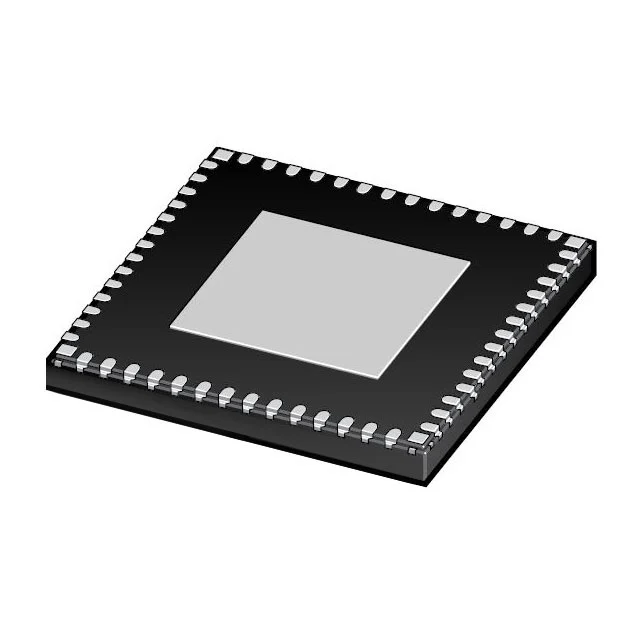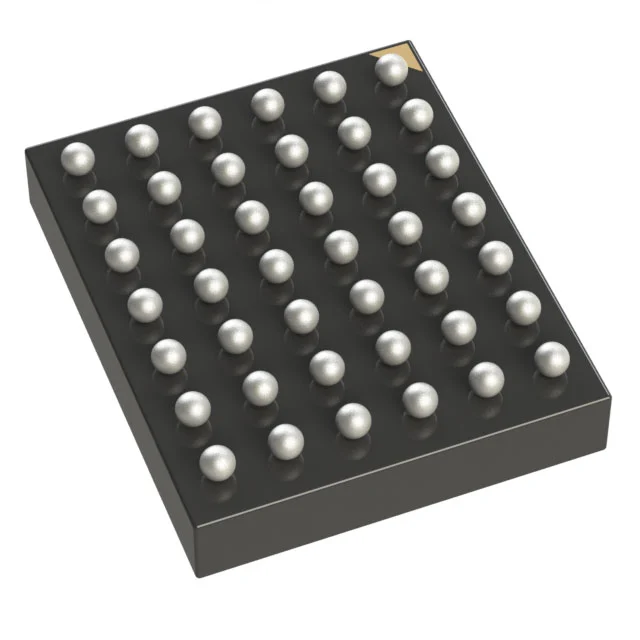

Semi-aqueous cleaning sits at the intersection of water-based and solvent-based processes, making it a flexible choice for removing mixed flux residues from complex PCBA layouts, but it demands far tighter process control than either standalone method. Without clear, consistent operating standards, teams often run into uneven cleaning results, leftover faint residues, or unexpected compatibility issues with sensitive board materials. A well-defined semi-aqueous control framework locks in stable performance across long production runs, while balancing cleaning power, material safety, and operational consistency.
Pre-process material compatibility verification
Before any full production batch moves into the semi-aqueous line, you need to complete a full compatibility check for every component and substrate on the target PCBA. Test small sample boards with the exact semi-aqueous solution and process parameters you plan to use, to confirm no discoloration, coating lifting, or material swelling appears on the solder mask, silkscreen, plastic connectors, or delicate component bodies. Document the maximum allowed exposure time for each board type, to avoid leaving assemblies submerged longer than necessary and triggering unintended material damage. You also need to confirm the residue type on the boards matches the dissolving properties of your semi-aqueous medium, so you do not waste time running a process that cannot fully break down the specific contaminants left after soldering.
Core process parameter control for consistent cleaning
Every step of the semi-aqueous workflow needs tightly bounded, traceable parameters to deliver repeatable results. The initial immersion or spray phase must hold a stable, pre-defined temperature range that balances fast residue dissolution and material safety, with no unexpected spikes that could degrade the semi-aqueous solution over time. Agitation force, whether from spray impact, ultrasonic vibration, or tank movement, must be calibrated to match the board density: higher levels for thick, stubborn residue on simple layouts, and much lower levels for ultra-fine pitch components that could shift or crack under excessive mechanical force. The transition from the semi-aqueous phase to the pure water rinse phase must happen without delay, to avoid letting dissolved residue dry back onto the board surface and form hard-to-remove faint films.
Rinse sequence and contamination carryover prevention
A poorly designed rinse flow is the most common cause of inconsistent results in semi-aqueous cleaning. Use a multi-stage cascading rinse layout, where boards move from higher to lower purity water tanks in sequence, so the semi-aqueous medium and dissolved residue get diluted and washed away step by step instead of being trapped on the board. Set real-time monitoring points in each rinse tank to track total organic content and ionic contamination levels, so you refresh the water only when it hits a pre-set threshold, rather than replacing the entire tank on a rigid, wasteful schedule. Make sure no residual semi-aqueous solution gets carried over into the final drying stage, as even tiny traces left on the board can leave sticky, hazy marks once all moisture evaporates.
Drying and post-process validation standards
The final drying phase needs precise control to eliminate hidden moisture trapped under components, in through holes, or along tight connector gaps. Use a gradual temperature ramp instead of sudden high heat, so moisture evaporates evenly from all areas of the board without creating condensation that could leave water spots. After the full cycle completes, pull sample boards from every production batch for visual inspection under proper magnification, checking for faint haze around QFN packages, along pin rows, or near high-density connector areas. Run periodic surface insulation resistance tests on processed boards to confirm no leftover semi-aqueous traces or residual contaminants will impact long-term electrical reliability, and log all test results to track process stability across months of production runs.