
Baking Specifications for Moisture-Affected Components in PCBA Processing
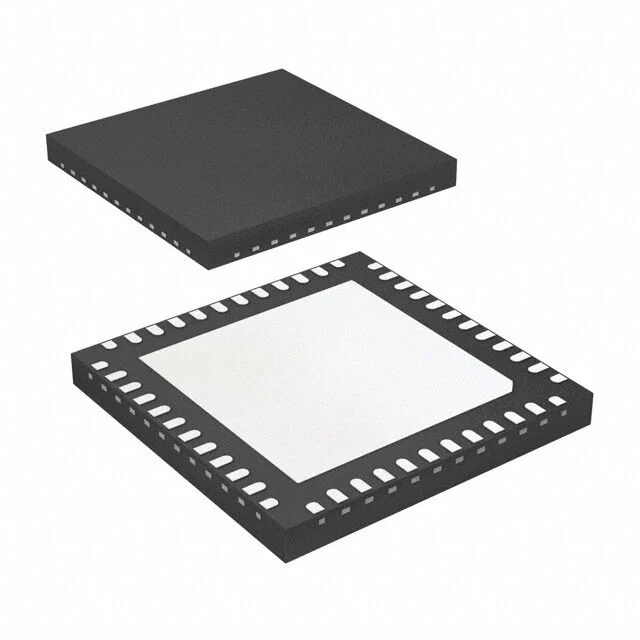
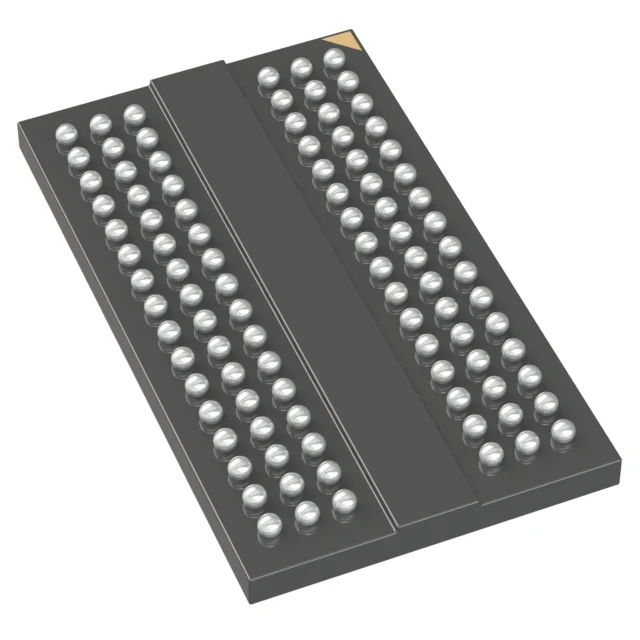
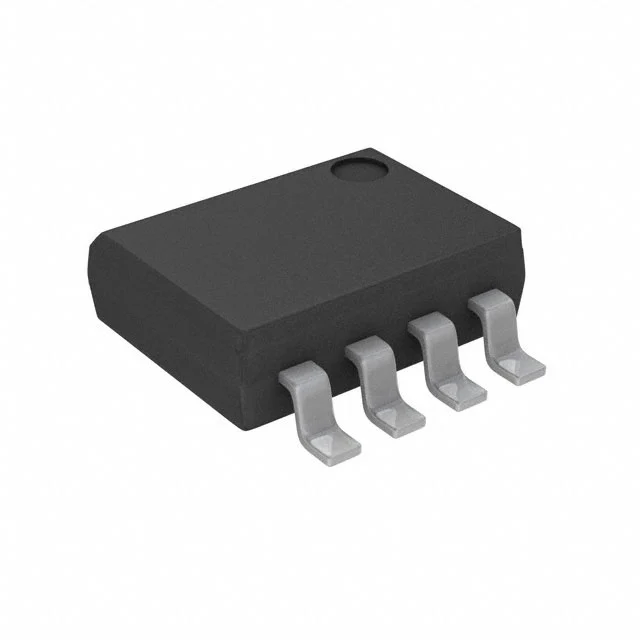
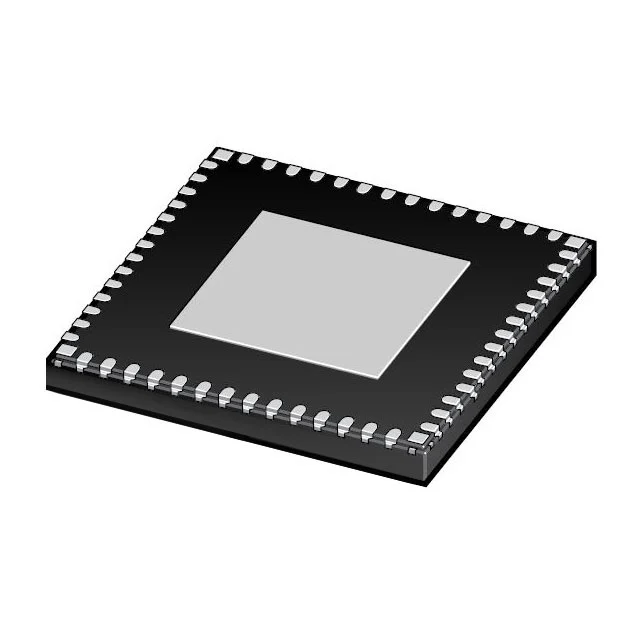
Moisture that seeps into plastic encapsulated components during extended ambient exposure can vaporize rapidly during reflow soldering, causing internal delamination, cracked packages, lifted leads, or hidden reliability faults that only appear long after the board leaves the assembly line. A structured, carefully controlled baking process removes trapped moisture gradually without introducing new thermal stress that could damage sensitive parts or degrade PCB base material. Following consistent, field-validated procedures ensures moisture-sensitive components return to a safe, dry state before they enter any high-temperature assembly operation.
Pre-Bake Condition Assessment and Segregation
Before selecting any baking parameters, first confirm how long the components have been exposed to ambient conditions, and cross-reference that against their documented moisture sensitivity classification. Parts that have only exceeded their allowable exposure window by a few hours require far gentler treatment than units that have sat in uncontrolled high-humidity environments for multiple days.
Separate all moisture-affected components into distinct groups based on their package size, material type, and previous thermal exposure history. Do not mix large high-mass components with tiny low-mass parts in the same bake cycle, because their optimal moisture removal rates and maximum safe temperature limits do not align.
Perform a quick visual check on every component batch before loading. Remove any parts that show obvious signs of prior thermal damage, cracked encapsulation, or corroded leads. These units will not benefit from baking, and introducing them into the oven only creates unnecessary risk of contaminating otherwise good material.
Temperature and Airflow Profile Control
Set the oven to a stable, uniform temperature that stays below the glass transition threshold of the most sensitive component body and PCB material in the batch. Avoid excessively high temperatures, because rapid heating can cause sudden internal moisture expansion that creates the exact same package damage the baking process is meant to prevent.
Maintain continuous, forced air circulation across all parts throughout the entire bake cycle. Stagnant air pockets around stacked components will trap evaporated moisture, slow down drying, and leave residual moisture deep inside component packages long after the nominal bake duration has elapsed.
Keep ambient humidity inside the oven chamber at very low levels for the full duration of the process. If internal humidity climbs too high during the later stages of the cycle, already dried components can begin reabsorbing moisture from the air, undoing all the progress made earlier in the procedure.
Component Loading and Placement Rules
Never stack components tightly in large, dense piles inside the oven. Leave clear open space between trays, reels, and individual boards so heated air can reach every surface and circulate freely around all sides of every part. Even a small gap blocked by overlapping packaging can create a dead zone where moisture cannot escape.
For components still housed on tape and reel, position each reel vertically on its edge rather than laying it flat across the oven shelf. This orientation prevents heat from being trapped under the reel flanges, and allows moisture vapor to escape evenly through both sides of the carrier tape without getting trapped.
Do not place sensitive components or populated PCB assemblies directly in the path of the oven’s main heating element. Direct localized hot spots can create uneven thermal stress, melt low-temperature plastic connectors, or warp thin PCB substrates before the bulk of moisture has been fully removed.
Post-Bake Handling and Process Reintegration
Once the bake cycle completes, allow all parts to cool down gradually inside the dry, low-humidity oven environment before removing them. A sudden temperature drop in open ambient air can cause condensation to form on cool component surfaces, immediately reintroducing unwanted moisture back onto freshly dried parts.
Transfer fully dried components directly into a dry nitrogen cabinet or hermetically sealed moisture barrier bag immediately after cooling. Minimize open bench exposure time to no more than the maximum allowable limit defined for their moisture sensitivity rating, so parts do not reabsorb significant ambient moisture before reflow.
Document every bake cycle with clear records of start time, temperature profile, batch details, and post-bake cool down duration. This log creates a traceable history that lets assembly teams confirm every moisture-affected part has been properly processed, and helps identify consistent patterns that can improve future moisture control workflows across the entire facility.