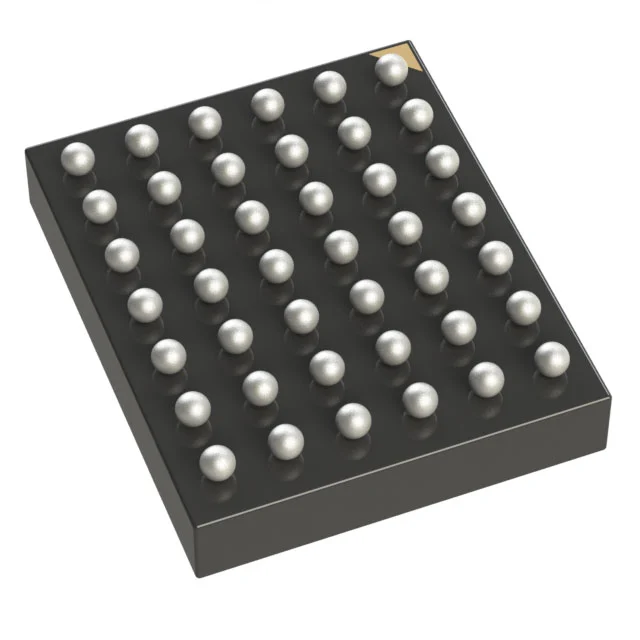

Water-based cleaning for PCBA manufacturing has grown in popularity as stricter environmental rules push factories away from traditional solvent-heavy workflows. But switching to water cleaning does not automatically make your operation eco-friendly, and many teams overlook small gaps in process control that lead to unnecessary water waste, unregulated discharge, and hidden safety risks. A truly compliant water cleaning system balances effective flux residue removal with full-cycle environmental protection, covering everything from pre-process planning to final waste handling.
Pre-process material and site compliance setup
The first step to build an eco-friendly water cleaning workflow is to align all base materials and work areas with global environmental standards. All cleaning agents used in the process must meet widely recognized international environmental regulations, with no ozone-depleting substances, restricted volatile organic compounds, or persistent toxic ingredients that harm aquatic ecosystems. The dedicated cleaning work zone must be separated from other assembly areas, with sealed floor drainage and dedicated collection pipelines that prevent any untreated liquid from leaking into general sewer systems. All operators assigned to this zone must complete basic environmental compliance training, so they understand how to handle cleaning media, avoid unnecessary waste, and respond properly to accidental liquid spills.
Water consumption and closed-loop operation management
Reducing unnecessary water use is one of the core requirements of eco-friendly PCBA water cleaning. Design the rinsing sequence in a cascading flow pattern, where the final rinse water with the lowest contamination level flows back to earlier rinsing stages for repeated use, instead of draining all water after a single pass. Install real-time water quality monitoring points at key positions in the circulation system, so you can track contamination levels and refresh the water only when it reaches the pre-set threshold, rather than replacing the entire tank on a fixed, overly frequent schedule. Collect condensed water from the drying stage and feed it back into the rinsing circulation loop, to cut down the total amount of fresh water drawn from external sources every day.
Wastewater classification and proper discharge control
Even with a well-designed closed-loop system, you will eventually generate a small volume of concentrated wastewater that cannot be reused further. This waste liquid must be collected in clearly labeled, sealed storage tanks, sorted by contamination level to avoid mixing different types of pollutants together. Before any liquid leaves the factory site, it must go through targeted on-site treatment processes that remove dissolved ionic contaminants, organic residues, and heavy metal particles from the water. Every batch of treated water needs to pass full compliance testing to confirm all pollutant concentrations fall below local regulatory limits, before it is allowed to enter approved public drainage systems. Never discharge untreated or partially treated wastewater directly into the environment, as this can cause long-term harm to local water sources and lead to serious non-compliance penalties.
Workplace safety and emission reduction measures
Eco-friendly water cleaning also covers protecting on-site staff and reducing hidden emissions that many factories ignore. The entire cleaning line must be equipped with strong, well-ventilated exhaust systems that pull away any faint volatile fumes generated during the cleaning and drying process, preventing these traces from accumulating in the working air. Install effective leak protection devices for all electrical components connected to water tanks and pumps, to eliminate electric shock risks for operators and avoid unexpected shutdowns that lead to unplanned waste discharge. Arrange regular equipment maintenance to fix small leaks, blocked nozzles, or malfunctioning circulation pumps early, so the system always runs at peak efficiency with minimal unnecessary resource consumption.